
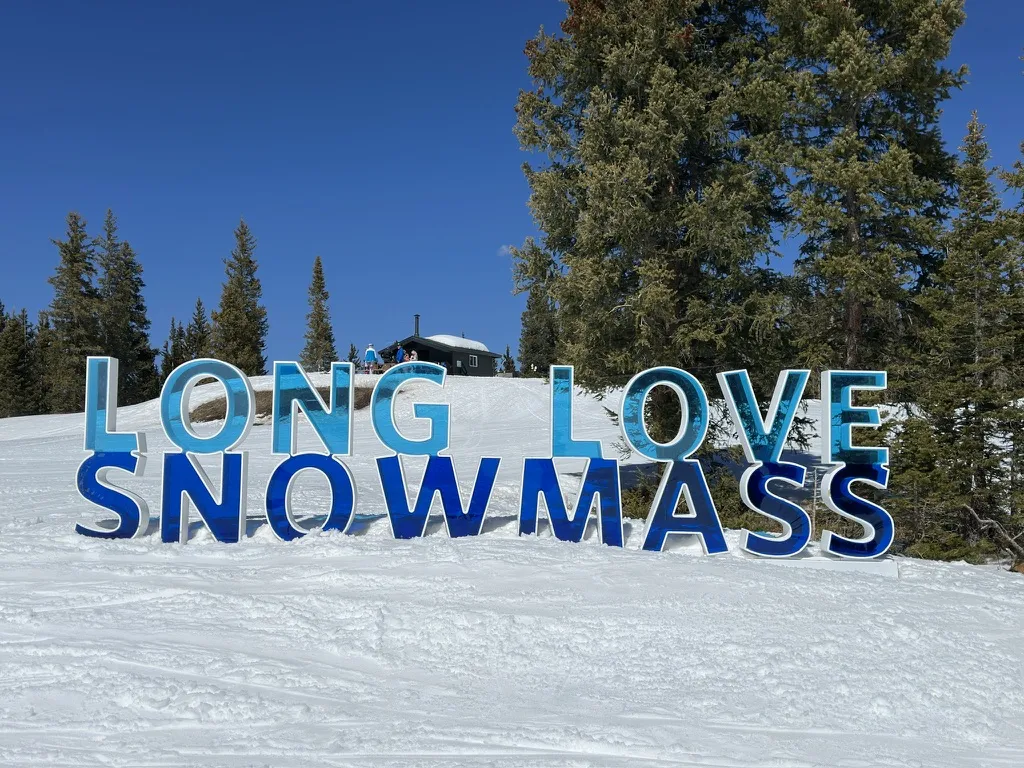
How a Miami girl learned to pack light for Colorado, Utah, and Wyoming ski trips
Living in Miami Beach means my winter wardrobe consists of one dusty box in the back of my closet. But every December? I’m the first one booking flights to chase powder at ski resorts across Colorado, Utah, and Wyoming.
Here’s the thing about being a warm-weather dweller who craves winter: I had to learn the hard way what actually works for ski trips. And I made EVERY mistake – overpacking, freezing on the mountain in cute-but-useless clothes, renting uncomfortable gear, and checking giant bags.
After years of ski vacations, I’ve finally cracked the code: a 15-piece ski trip packing list that works whether I’m at Snowmass, Aspen, Park City, or Jackson Hole. Same gear, different mountains, zero stress.
Why You Need a Ski Trip Capsule Wardrobe
The Problem with Random Ski Trip Packing:
My first ski vacation? I packed like I was moving to Colorado permanently. Checked a massive suitcase. Brought three different jackets “just in case.” Had outfit options I never wore. Spent half my trip doing laundry.
The reality of ski vacations:
- You ski most days = wear ski gear
- Après ski is casual = same sweater works for everything
- Resort towns are small = you’re not going clubbing
- You’re exhausted at night = comfy clothes only
The Ski Capsule Wardrobe Solution:
Instead of packing for every possible scenario, you pack 15 strategic pieces that:
- Work together (everything matches)
- Handle any temperature (with smart layering)
- Go from slopes to après ski to dinners
- Fit in one checked in bag within the weight limit
- Last for years (sustainable, quality materials)
My Real Experience:
Last season, I did two ski trips with this exact capsule
Same 15 pieces. Never felt underdressed. Never ran out of outfit options. One bag.
The Math: 5 tops + 3 bottoms = 15 outfit combinations. Add layers and jackets = 25+ different looks for 10 days.

This is how I wear something different every day without overpacking.
What to Rent vs. Buy (Save Money & Luggage Space)
Before we get to the packing list, let’s talk about renting gear.
Always Rent at the Ski Resort:
Ski equipment:
- Skis or snowboard
- Ski boots (proper fitting is CRUCIAL)
- Ski poles
- Helmet
Why rent: Technology improves yearly, boots need professional fitting, and you save massive luggage space. Plus rental quality at resorts is excellent.
My tip: Book online before your trip – cheaper and you skip the rental shop line.
Definitely Buy These:
Your ski capsule wardrobe:


- Ski jacket (you’ll wear it 100+ times over 10 years)
- Snow pants
- Base layers – 3 sets (the secret to staying warm)
- Mid-layers for warmth
- Wool ski socks – never cotton!
- Gloves or mittens
- Goggles (rental goggles fog constantly – buy your own)
- Winter boots for walking around
- Cashmere sweater for après ski
Why buy: These pieces last for years and perform way better than rentals. My ski jacket is 6 years old and looks brand new.
The Complete 15-Piece Ski Trip Packing List



Base Layers (The Foundation of Everything)
1. Heavyweight Merino Wool Base Layer Set
This is THE most important piece in your entire ski wardrobe. I’m serious.
What it is: Long underwear that you wear under everything when skiing. Merino wool, form-fitting, moisture-wicking.
Why it matters: This is what keeps you warm on the mountain. Not your puffy jacket. This.
My Snowmass story: It was 5°F at the summit. I wore heavyweight base layers + fleece + ski jacket. I was warm. The girl next to me in cotton leggings and a thick sweater? She left after two runs because she was freezing.
Base layers work because they:
- Pull sweat away from your skin (moisture-wicking)
- Trap warm air next to your body
- Regulate temperature (you don’t overheat)
- Let you wear thinner, more comfortable layers on top
Never wear cotton skiing. Cotton absorbs moisture, stays wet, and makes you cold. This is not optional advice.
Brands I like: Icebreaker 260 weight or Smartwool 250
2. Lightweight Base Layer Set
Your second set for warmer days or as a backup.
I wear heavyweight for temperatures below 25°F and lightweight for above 25°F. Having both means I’m comfortable in any weather.
Mid-Layers (Warmth + Versatility)
3. Fleece Quarter-Zip
This is what you actually wear skiing (over your base layer, under your ski jacket).
What to look for:
- Lightweight fleece
- Quarter-zip (so you can vent when you’re working hard)
- Fitted, not bulky
- Moisture-wicking
My typical ski day: Base layer + this fleece + ski jacket. That’s it. Perfect for 15-30°F.
4. Down Vest
For those extra cold days when you need one more layer.
I wear this UNDER my ski jacket on days below 15°F. Sounds crazy but it works – adds core warmth without bulk.
5. Cashmere Crew Neck Sweater
The MVP of your après ski wardrobe.
Real talk: I wore this sweater 7 out of 10 nights in Aspen. Wore it to:
- Après ski at The Little Nell
- Dinners in Aspen
- Casual dinners in Snowmass
- Walking around town
- Coffee shops
- Cozy nights in
One good cashmere sweater in a neutral color (I love cream or camel) goes with everything and looks effortlessly chic.
Budget-friendly option: Quince has great affordable cashmere
6. Chunky Turtleneck
For extra warmth and outfit variety.
I bring this for non-ski days when I’m exploring the resort town or for layering on really cold nights.
Bottoms
7. Dark Winter Leggings
Your most versatile bottom for everything except skiing.
I wear these probably 80% of my trip – exploring, après ski, all dinners, walking around. Make sure they’re comfortable because you’ll wear them a LOT.
8. Thermal Leggings
Essential for under your ski pants.
I wear fleece-lined leggings under my ski pants every single ski day. They add warmth without bulk and stay in place.
9. Ski Pants
Waterproof, breathable, essential for skiing.
Outerwear
10. Ski Jacket
Your most important investment piece.
What to look for:
- Waterproof AND breathable (both matter!)
- Underarm vents
- Powder skirt
- Lots of pockets
Shell vs. insulated: Both work! Shells are more versatile for layering, but insulated jackets are warmer and simpler (fewer layers to think about).
My jacket: Obermeyer insulated. I love not having to fuss with as many layers underneath – base layer + fleece + jacket and I’m good. On really cold days I’ll add my down vest.
11. Down Puffer for Après
Your everyday coat for when you’re not skiing.
I wear this walking to the slopes, après ski, dinners, exploring – basically all the time.
My puffers: I have a black Moncler that’s been my go-to for years. This season I also picked up the Quince Responsible Down Belted Puffer Maxi Coat. The maxi length keeps you warmer, the belt makes it look polished for dinners, and it’s sustainable down. I’m bringing it to Aspen in December and will report back, but based on Quince’s quality, I’m confident it’ll be perfect.
What to look for in an après puffer:
- Responsible or recycled down (sustainable!)
- Long enough to keep you warm
- Looks good (you’ll wear this to dinner)
- Packable for travel
Footwear
12. Waterproof Winter Boots
Critical. You wear these SO MUCH.
You’ll walk to breakfast, explore the village, wear them après ski, walk to dinner – easily 8-10 hours a day. They need to be comfortable and fully waterproof.
My boots: I actually bring two pairs:
For heavy snow and cold days: UGG Adirondack – fully waterproof, rated for extreme cold, and they handle deep snow and icy conditions. These are my workhorse boots for walking to the slopes or anytime there’s fresh powder on the ground.
For après ski and dinners: UGG heeled boots – elegant enough for restaurants but still comfortable for walking around the village. I wear these when paths are cleared and I want to look polished. The Moxy collection has great heeled options with lug soles for traction.
Having both means I’m prepared for any conditions and never have to choose between practical and cute.
The Details That Matter
13. Wool Ski Socks (4+ pairs)
The rule: Wool only. Never cotton.
Cotton holds moisture = cold feet. Wool wicks moisture = warm feet.
How many: I bring 5 pairs. One fresh pair per ski day, plus an extra.
Common mistake: Wearing two pairs of socks. This restricts circulation and makes your feet COLDER. One good pair of wool socks is warmer than two cheap pairs.
Add toe warmers on super cold days – stick them to the outside of your socks before putting on ski boots.
Brands I like: Smartwool, Darn Tough, Icebreaker
14. Gloves AND Mittens
Yes, I bring both.
Gloves: For normal ski days (easier to handle poles and gear) Mittens: For extra cold days below 15°F (way warmer)
15. Goggles
Buy your own – rental goggles fog constantly.
Why buy: Rental goggles are terrible. They fog, they don’t fit well with helmets, and you’re stuck with whatever they have.
What to look for:
- Anti-fog coating (essential!)
- Fits your helmet
- Good UV protection
- Maybe get two lens colors (one for sunny, one for snowy days)
I bought my goggles after one miserable day in foggy rentals. Never going back.
Essential Accessories (Don’t Skip These!)
Neck gaiter: Covers your face on cold days – way better than a scarf for skiing
Lip balm with SPF: Mountain sun + cold air destroys lips. Bring two
Sunscreen: UV rays reflect off snow – you WILL burn
Hand warmers & toe warmers: For extra cold days
Small backpack: For carrying layers, water, snacks on the mountain
Energy bars: You’re burning 400+ calories per hour skiing
Family Ski Trips: What to Adjust


Planning ski trips with kids? Here’s what changes:
Always rent for kids:
- All ski equipment (they outgrow it every year)
- Helmet
Buy for kids:
- Ski jacket (buy one size up, lasts 2-3 seasons)
- Base layers (get 2 sets – accidents happen)
- Mittens (keep kids’ fingers warmer than gloves)
- Extra hand warmers and toe warmers (kids get cold faster)
Family packing tip: Kids share packing cubes. Coordinate colors so you can spot them on the slopes.
How to Not Be Cold on the Mountain
Even with the right gear, people get cold. Here’s why and how to fix it:
Mistake #1: Wearing cotton anything
Cotton + sweat = wet = cold. Only moisture-wicking base layers and wool socks.
Mistake #2: Ski boots too tight
Tight boots restrict circulation = numb cold feet. Get properly fitted and only wear ONE pair of socks.
Mistake #3: Not layering correctly
Multiple thin layers = warmer than one thick layer. Trapped air between layers = insulation.
Cold day (below 15°F): Base + vest + fleece + jacket Normal day (15-30°F): Base + fleece + jacket Warm day (above 30°F): Base + jacket
Mistake #4: Ignoring your neck and face
Exposed skin = your body pulls heat from your hands and feet to warm your core. Wear a neck gaiter!
Mistake #5: Getting sweaty then stopping
Ski hard = sweat. Stand still in wet clothes = freezing. This is why moisture-wicking base layers matter – they pull sweat away from your skin.
Why This Ski Capsule Wardrobe Actually Works
As someone from Miami Beach who has zero need for winter clothes 11 months of the year, I had to figure out how to pack efficiently for ski vacations.
This capsule works because:
Every piece has multiple uses. My cashmere sweater works for après ski, dinners, and exploring. My fleece works for skiing and casual wear. Nothing is single-purpose.
Quality over quantity. 15 great pieces that last for years beats 30 cheap pieces that fall apart.
The layering system adapts. Same gear works in Aspen at 30°F or Jackson Hole at 5°F – I just adjust how many layers I wear.
I never stress about what to pack. I just pack these 15 pieces. Every time. It’s so easy now.
Six years, 12 ski trips, same core pieces. This system works.
Now go book that ski vacation – you know exactly what to pack!
Ski Trip Packing List FAQs
Q: Can I skip the base layers and just wear leggings?
No. Base layers are not optional. They’re the difference between being comfortable all day and being miserable after two hours. Trust me on this.
Q: Cotton socks are fine though, right?
NOOOO. Wool ski socks only. Cotton = cold wet feet = miserable ski day.
Q: Do I really need both gloves AND mittens?
You can get away with just gloves for most trips. But if you’re going somewhere very cold (Jackson Hole, Big Sky), bring mittens too. They’re so much warmer.
Q: Should I rent or buy goggles?
Buy! Rental goggles fog constantly and ruin your ski day. A decent pair costs $80-120 and you’ll use them for years.
Q: What if I forget something?
Every ski resort town has shops. You can buy anything there. Just know that it’s more expensive – a basic fleece might be $80 at the resort vs. $50 at home.
Q: How many days does this packing list cover?
Comfortably 7-10 days. Beyond that, hand-wash your base layers once or bring a third set.
- About the Author
- Latest Posts
- How I Test and Recommend

Juliet is the creator of Living Wild & Green, where she researches and writes about eco-friendly living, sustainable fashion, and non-toxic home upgrades. Since 2020, she’s been curating science-backed, stylish sustainability tips and personally testing products to help thousands of readers cut through greenwashing and live greener with confidence.


