
How a CPA mom went down a research rabbit hole and changed how her family lives
Key Takeaways:
- Microplastics have been found in human blood, brains, lungs, and placentas
- A 2024 study linked microplastics in arteries to 450% increased risk of heart attack, stroke, or death
- 35% of microplastic pollution comes from washing synthetic fabrics
- 93% of bottled water contains microplastics—often more than tap water
- You can reduce exposure through kitchen swaps, laundry changes, and dust management
I wasn’t planning to become obsessed with plastic pollution research. It started with a turtle.
You’ve probably seen that video—the one where they pull a plastic straw out of a sea turtle’s nose. It went viral years ago. I watched it and couldn’t get it out of my head. That’s what got me volunteering for beach cleanups here in Miami Beach.
And once you start picking up trash on a beach, you can’t unsee it. The bags, the bottles, the random plastic pieces everywhere. I drive over the MacArthur Causeway almost daily and notice the trash piled along the sides, as well as plastic bags floating in the water. It’s constant.



But I still thought of it as an ocean problem. A turtle problem. Sad, but not really about ME.
How I Fell Down the Research Rabbit Hole
Then I started reading about plastic in our food. In our water. BPA and cancer risks. Microplastics showing up in places they definitely shouldn’t be. And I went down a research rabbit hole I still haven’t climbed out of.
As a CPA, I can’t just read headlines and move on. My brain needed to find the actual studies. Verify everything. Understand what the science actually says versus what’s overblown. I went ull audit mode!
Honestly, I almost didn’t publish this because at some point the research stopped being interesting and started being… unsettling.
After years of research, I’ve changed how my family eats, drinks, does laundry, and cleans our house. Not because I’m paranoid. Rather, because the data is concerning enough to act on.
This post is everything I learned—what microplastics actually are, where they come from, what scientists found in 2025 that changed the conversation, and what I’m actually doing about it.
What Are Microplastics? The Basic Definition
Let’s start simple because I had to learn this too.
Microplastics are tiny plastic particles smaller than 5 millimeters. That’s about the size of a sesame seed at the biggest—but most are WAY smaller. Like, smaller than a human hair. Some you literally cannot see.
Scientists break them into two types:
Primary microplastics: Intentionally manufactured to be small. Industrial plastic pellets called nurdles that spill during shipping. Plastic microbeads that used to be in face scrubs (banned now). Glitter—yes, glitter is plastic. Think about all that plastic in slime! I thought slime was bad enough.
Secondary microplastics: Larger plastic debris breaking down over time. In fact, this is most of what’s out there. Plastic bottles fragmenting in the sun. Plastic bags degrading in landfills. Synthetic fabrics shedding tiny particles every wash.
Here’s the thing that really got me: plastic doesn’t biodegrade. Ever. It just breaks into smaller and smaller pieces through chemical weathering processes. Every piece of plastic ever produced still exists somewhere—just in tinier forms now.
Even smaller than microplastics are nanoplastics—particles so tiny they can cross cell membranes and get into places larger plastic fragments can’t reach. These are what researchers are most worried about.
The scale? Between 10 and 40 million tons of microplastic particles enter the environment every single year. I can’t even picture that number.
Where All This Plastic Waste Comes From
Once I understood what microplastics were, I started looking at where they actually come from. As a result, I looked at my own house completely differently.
Synthetic textiles are the biggest source. I had NO idea.
About 35% of all microplastic pollution comes from synthetic fabrics—polyester, nylon, acrylic, spandex. Every time you run laundry with synthetic fibers, hundreds of thousands of tiny particles shed and go down the drain. Most wastewater treatment plants can’t filter them out. Sewage treatment plants weren’t designed for this.
One study found a single polyester garment releases over 6 MILLION microfibers in one wash cycle.
I went straight to my kids’ closets after reading that. Athletic wear? Polyester. School uniforms? Polyester blend. My workout clothes? Basically all plastic.
Real talk: I felt like such a hypocrite. Here I was using reusable grocery bags while running loads of synthetic laundry multiple times a week.
Tire wear is the second biggest source. Similarly, about 28% of microplastics in the marine environment come from car tires wearing down on roads. The particles wash into storm drains and end up in fresh water systems and eventually the ocean. However, there’s no way around this unless you stop driving completely. Not realistic.
Household dust is the one that haunts me. For example, I read a study that found 39% of household dust contains microplastics. It comes from synthetic fibers in carpets, furniture, curtains—all constantly shedding tiny particles into the air. We breathe it. It settles on our food.
After learning this, vacuuming felt even more important. I was already doing it daily because of my dust mite allergy and the dogs—but now I had another reason. My family thinks I’ve gotten obsessive. They’re probably right.
How These Tiny Particles Get Into the Human Body
This is where my research got uncomfortable.
We eat plastic. A lot of it.
Microplastic particles have been found in drinking water (both tap and bottled), seafood, table salt, honey, beer, tea bags, food containers—basically every category researchers have tested.
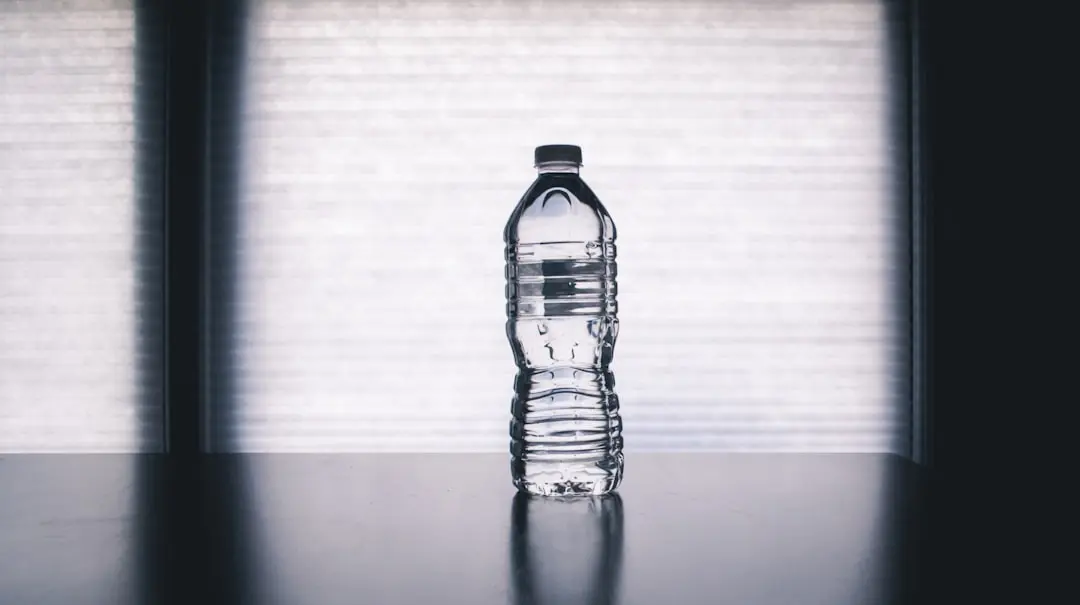
The bottled water finding particularly annoyed me. I thought I was being healthy buying bottled water instead of tap. Then I read that 93% of bottled water samples tested worldwide contained microplastics—often MORE than tap water. The plastic bottles leach particles into the water, especially in warm conditions. Hello Miami Beach!
I’m currently researching alternatives to our gallon water bottle deliveries.
Here in Miami we eat a lot of seafood—well, my husband and kids do. They love sushi and shellfish. I like some fish but that’s about it. Marine organisms—especially shellfish—accumulate whatever plastic fragments are in the water. One study estimated shellfish consumption accounts for about 11,000 microplastic particles per person per year.
Based on my findings, we’re cutting back.
We breathe plastic constantly.
Tiny particles float in ambient air, indoors and outdoors. Studies found 0.1 to 1.2 microplastic particles per cubic meter of indoor air. Think about how many breaths you take per day—about 20,000. Every single one probably contains plastic.
We might absorb it through skin.
Nanoplastics might be small enough to penetrate skin. Scientists are still researching this one.
The thing that becomes really clear: there’s no way to completely avoid exposure to microplastics. The plastic pollution is everywhere. Therefore, the goal can’t be zero exposure. Instead, it has to be reducing exposure where I actually can.
They’ve Found Plastic Particles WHERE?
Okay. This section.
I verified every single one of these claims by tracking down the original studies. This is not exaggeration.
Human blood. A 2022 study detected microplastics in the blood of about 80% of people tested. Plastic particles are circulating through our bloodstreams right now.
Lungs. Found in human lung tissue samples. From breathing contaminated air.
Placenta. This is the one that broke me.
Multiple studies confirmed microplastics cross the placental barrier. They found plastic fragments on BOTH the fetal side and maternal side of human placentas.
My boys are teenagers now. When I read this research, I thought about my pregnancies—how careful I was about what I ate, what medications I avoided. And the whole time, plastic particles were potentially reaching my babies before they were born.
I’m not going to pretend I handled this information gracefully. I didn’t.
Brain tissue. In 2025, researchers at the University of New Mexico found microplastics in human brain tissue. Their estimate: about 0.5% of brain weight is now microplastic. Roughly 7 grams—about the weight of a plastic spoon sitting in our brains.
But here’s what really disturbed me: they looked at archived brain samples going back to 1997. Newer samples had significantly MORE microplastics than older ones. We’re accumulating more over time.
The Dementia Connection
Same researchers found patients with dementia had 3 to 5 times more microplastics in their brain tissue than those without. They’re careful to say correlation isn’t causation—maybe dementia makes the brain more porous. But it’s a finding that demands more research.
Heart and arteries. Additionally, they detected microplastic particles in cardiac tissue and arterial plaque. Which leads to probably the most alarming study I’ve ever read.
Why 2025 Changed Everything
Plastic pollution has been a known problem for decades. Scientists coined “microplastics” in 2004. So why does 2025 feel different?
The technology caught up. First, researchers can now detect nanoplastics—particles small enough to enter cells and cross biological barriers. We’re not seeing more plastic. Instead, we’re finally able to see what was there all along.
The human health effects research is getting serious.
That cardiovascular study? Published in the New England Journal of Medicine—one of the most respected medical journals in the world.
Researchers followed patients who had surgery to remove plaque from carotid arteries. They tested the plaque for microplastics. Then tracked those patients for three years.
The result: patients with microplastics in their arterial plaque had a 450% increased risk of heart attack, stroke, or death.
FOUR HUNDRED AND FIFTY PERCENT.
I read that number five times. Most health studies talk about 10-20% risk increases. 450% is a completely different magnitude. One study doesn’t prove causation. But cardiologists are taking this seriously.
The climate connection showed up. New research found microplastics in the marine environment are interfering with the ocean’s ability to absorb carbon dioxide. Plastic fragments disrupt plankton and microbial communities in aquatic ecosystems. Plastic pollution might be accelerating climate change in ways nobody accounted for.
The United Nations Environment Programme is tracking this. The Environmental Protection Agency is funding more environmental science research. This isn’t fringe stuff anymore.
Chemical leaching is worse than we thought. A December 2025 study discovered microplastics continuously release “invisible clouds” of dissolved chemicals—persistent organic pollutants, chemical contaminants, toxic metals. Exposure to microplastics means exposure to all the chemical pollutants that come with them.
What We Don’t Actually Know Yet
I’m a CPA. I work with facts. I get annoyed when people overstate what research shows. So let me be honest about the gaps:
Nobody knows the “safe” level. There’s no established threshold below which exposure to microplastics is definitely harmless.
We don’t know how long plastic stays in the body. Do these particles accumulate forever? Can the body clear them? Open questions.
Not all plastics are the same. Microplastic particles vary in size, shape, polymer type, chemical composition. Which physical and chemical properties matter most? We don’t know.
The dementia and heart studies show correlation, not causation. That’s important. Association isn’t proof.
A lot of research has methodology problems. The field is young. Methods are still being standardized.
Consequently, the research is concerning enough to act on even with uncertainty. I’m just not going to pretend we know more than we do.
What I Actually Changed In My House


After all this research I had to decide: what do I actually do? Here’s some of what we changed—honestly there’s too many to list them all here, which is part of why I wrote Breaking Up With Plastic.
Water filtration is next on my list. I’ve been researching reverse osmosis systems and running the numbers on cost per gallon over lifespan vs buying bottled water (which has microplastics anyway). My CPA brain needs that math to work before I commit.
Kitchen overhaul—this one I went all in. No more buying plastic. Period. Got rid of ALL of it—straws, cooking utensils, food storage containers, shopping bags, everything. No microwaving in plastic because there’s no plastic left to microwave in. Swapped plastic cutting boards for wood.
These days, nothing plastic comes home from grocery stores. Not even produce bags—I use reusable mesh ones or just put the veggies loose in my cart. Now I read labels and check packaging. If it’s wrapped in plastic and there’s an alternative, I buy the alternative. It sounds extreme but once you start, it becomes automatic.
Laundry changes. Bought a Guppyfriend bag for washing synthetic fabrics—it catches microfibers before they go down the drain. We wash synthetic clothes less often, always cold water. And I stopped buying synthetic fibers completely. New clothes are cotton, linen, wool only. The synthetic stuff we already own I’m not throwing away—that creates its own waste—but nothing new comes in. Except school uniforms—there’s nothing I can do about that yet.
Dust management. Okay I was already obsessive about this before the microplastics research—I’m super allergic to dust mites and I have two dogs, so I vacuum daily. HEPA filter, no exceptions. But now I think about it differently. It’s not just allergies anymore. Damp dust instead of dry dusting. Air purifier in the living room. And my Tineco electric mop—I literally can’t live without it.
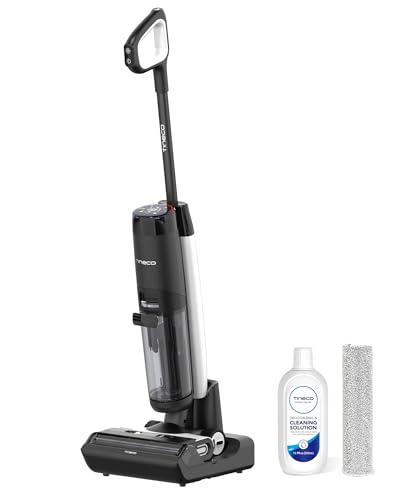


(Disclosure: As an Amazon Associate, I earn from qualifying purchases. I only link to products I use in my own home—your trust matters more to me than a commission)
Accepted what I can’t control. My boys are 15 and almost 12—they go to school. They eat at friends’ houses. We still drive. We still have synthetic clothes I’m not throwing away. Perfection isn’t happening.
The goal isn’t zero exposure. It’s reducing daily accumulation where I reasonably can. Progress over perfection. This is not optional advice—it’s the only approach that actually works long-term.
The Bottom Line
A few years ago I knew nothing about microplastics. Now I’ve read more studies about plastic particles and the marine environment and chemical contaminants than any normal person should.
But I’m not scared. Instead, I’m informed. There’s a difference.
As a result, the research is concerning enough to take action. Small consistent changes add up. You don’t have to overhaul your entire life. Similarly, you don’t have to achieve zero plastic waste. You just have to pay attention to where plastic shows up and make better choices where you can.
That’s what I’m doing. One room at a time. One swap at a time. If I can do it with two teenagers and two dogs and Miami humidity and working full time—you can probably manage too.
Want the Complete Room-by-Room Guide?
Everything I learned about reducing plastic in our home went into my ebook, Breaking Up With Plastic. It’s organized by room—kitchen, bathroom, laundry, kids’ spaces—with specific swaps that actually worked for our family.
Chapter 1 goes deeper into human health research. Part 2 gives you practical checklists for every room. Chapter 19 has my CPA cost analysis because I couldn’t help myself—I ran all the numbers on which swaps actually save money.
No guilt. No perfection required. Just progress.
Get Breaking Up With Plastic here.
Not ready to commit? Start with my free Plastic Footprint Calculator to see where your biggest plastic sources are.
Frequently Asked Questions About Microplastics
What are microplastics? Microplastics are plastic particles smaller than 5 millimeters—about the size of a sesame seed or smaller. Most are invisible to the naked eye. They come from either manufactured sources (like plastic microbeads) or larger plastics breaking down over time.
Are microplastics harmful to humans? Research suggests yes. A 2024 study in the New England Journal of Medicine found people with microplastics in their arterial plaque had a 450% higher risk of heart attack, stroke, or death. Scientists have also found correlations between microplastics and dementia, though more research is needed.
How do microplastics get into our bodies? Three main ways: eating (contaminated food and water), breathing (indoor and outdoor air), and possibly skin absorption. Studies found microplastics in 93% of bottled water samples and estimate we consume about 5 grams of plastic weekly—roughly a credit card’s worth.
Where have microplastics been found in the human body? Human blood, lungs, brain tissue, placentas, and arterial plaque. A 2025 study estimated about 0.5% of brain weight is now microplastic—roughly 7 grams.
Can you remove microplastics from your body? Scientists don’t know yet. Research on whether the body can clear microplastics and how long they remain is still ongoing. This is one of the biggest gaps in current research.
How can I reduce microplastic exposure? Key steps include: filtering drinking water, eliminating plastic food storage and cooking utensils, using microfiber-catching laundry bags, buying natural fiber clothing, vacuuming frequently with a HEPA filter, and avoiding bottled water.
Does bottled water have more microplastics than tap water? Often yes. Studies found 93% of bottled water contains microplastics, and concentrations are frequently higher than tap water because plastic bottles leach particles into the water, especially in warm conditions.
What percentage of microplastics come from clothing? About 35% of all microplastic pollution comes from synthetic textiles like polyester, nylon, and acrylic. A single polyester garment can release over 6 million microfibers in one wash.
- About the Author
- Latest Posts
- How I Test and Recommend

Juliet is the creator of Living Wild & Green, where she researches and writes about eco-friendly living, sustainable fashion, and non-toxic home upgrades. Since 2020, she’s been curating science-backed, stylish sustainability tips and personally testing products to help thousands of readers cut through greenwashing and live greener with confidence.