
(This site contains affiliate links. We earn a commission if you make a purchase, at no additional cost to you)
Making your laundry room eco-friendly isn’t rocket science. It can actually save water, energy, and keep harsh chemicals out of your home.
Take the opportunity to create your own eco-friendly laundry room as part of your commitment to sustainable living—small, consistent changes in your routine can make a real difference for the environment.
For example: Pick energy-efficient appliances, go for natural detergents, and switch up your drying methods—suddenly your laundry space is greener and your family’s health gets a boost.
Small sustainable living tweaks like running only full loads, air-drying your clothes, and using biodegradable detergents, cut waste and lower your bills. Organizing with recycled or sustainable bins keeps things tidy and your carbon footprint lighter.
If you’re itching to make laundry day less wasteful, you’re in the right place. Here’s a bunch of practical, no-stress tips that fit real life (and don’t cost a fortune).
Why Eco-Friendly Laundry Rooms Matter
Honestly, having an eco-friendly laundry room just feels better. Less energy, less water, and a healthier home—what’s not to like? Plus, making your laundry routine eco-friendly helps protect the environment by reducing pollution and conserving natural resources.
Even small changes in your laundry habits can make a big difference for your home and the planet.
Environmental Impact of Laundry Habits
Laundry routines use more resources than you’d think. Washing machines and dryers are basically energy hogs.
Energy Star-certified appliances are my go-to—they seriously cut down electricity use. Water-wise, front-loading washers and running only full loads save gallons every time.
Natural, biodegradable detergents mean fewer nasty chemicals in our water. Air-drying and tossing in wool dryer balls helps even more with energy use.
Repurposing old towels? Love it. Less trash, less guilt.
Making eco-friendly choices in the laundry room, like these, helps reduce your overall ecological footprint by conserving water, saving energy, and lowering your environmental impact.
Health Considerations in Laundry Spaces
Air quality matters. So many mainstream detergents and cleaners pump out chemicals that mess with your skin and lungs.
Non-toxic, phosphate-free detergents are my jam.
Natural stain removers like vinegar and baking soda get the job done without sketchy side effects. Choosing chemical-free options, and checking the EWG scores, are especially beneficial for sensitive skin and overall health. It’s a win for everyone at home.
My Favorite EWG verified laundry detergents


1. Choosing Safer Laundry Products
I want laundry products that work but don’t mess with my skin or the planet. Avoiding harsh chemicals and fake fragrances is a must. Chemical detergents often contain toxic ingredients that can pollute water sources and may cause irritation, especially for sensitive skin, so choosing natural, eco-friendly alternatives is safer for both health and the environment.
Natural Laundry Detergents and Eco-Friendly Detergents
Plant-based detergents with plant based ingredients are my first pick, as they are a key component of natural laundry detergent. Biodegradable surfactants and enzymes (think protease, amylase) break down stains without the nasty stuff.
Phosphate-free and biodegradable labels are a good sign. I like powder or tablets—less packaging, fewer preservatives.
Choosing a natural laundry detergent with plant based ingredients helps protect the environment and is safer for sensitive skin, making it ideal for babies, children, and anyone looking to avoid harsh chemicals.
Understanding Harmful Ingredients
I steer clear of detergents with ingredients that cause health or environmental trouble. Phthalates (often hiding in “fragrance”) can mess with hormones.
Formaldehyde and its buddies like DMDM Hydantoin? Hard pass. SLS is another red flag—skin irritation and environmental headaches. I also avoid petroleum based ingredients, which are common in conventional detergents and can have negative environmental and health impacts.
Optical brighteners are just chemicals that make clothes look cleaner, but they stick around in the water and can bug your skin. “Phosphate-free,” “formaldehyde-free,” and “SLS-free” are the labels I trust.
Fragrance-Free and Hypoallergenic Options
Fragrances in detergents? Usually just a cover-up for more chemicals. They can trigger allergies or skin freakouts.
“Fragrance-free” and “unscented” are safer bets. Hypoallergenic detergents ditch the usual irritants and dyes—some even use essential oils, but I’d rather add my own if I want a scent.
Labels from places like the Environmental Working Group (EWG) help me spot the good stuff.
2. Replacing Conventional Fabric Softeners and Dryer Sheets
Swapping out traditional fabric softeners and dryer sheets is a no-brainer. Less chemical exposure, happier skin, and better for the planet. There are many greener alternatives to conventional fabric softeners and dryer sheets that are both eco-friendly and effective.
The Impact of Traditional Fabric Softeners
Most softeners and dryer sheets are loaded with phthalates, quats, and synthetic scents. All of those can irritate skin and lungs.
They leave residues, pollute indoor air, and the sheets themselves don’t break down in landfills. Not worth it.
Alternatives: Wool Dryer Balls and Dryer Balls
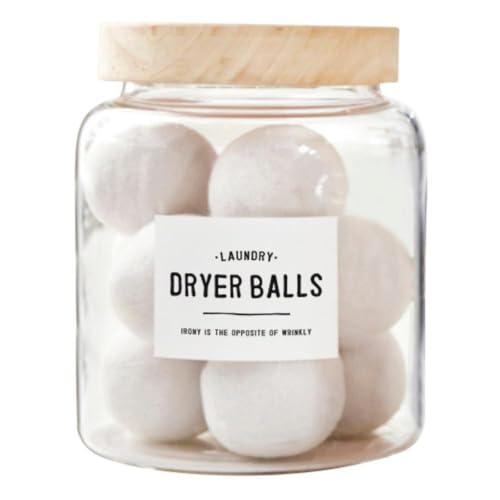
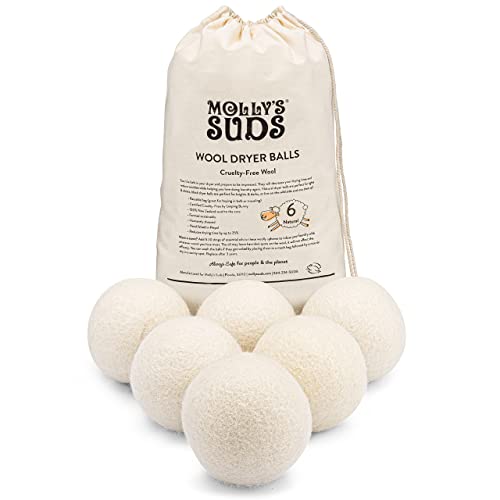
Wool dryer balls totally changed my laundry game. They’re just natural wool, bounce around with the clothes, and cut drying time by up to 30%. They also reduce static in the same way dryer sheets do, but without the chemicals.
They’re reusable for ages and compostable when they’re done. No chemicals, no fake smells—good news for sensitive skin.
Plastic or silicone dryer balls exist, but I’m team wool. Add a drop of essential oil if you want a little fragrance.
Using White Vinegar in the Laundry
Half a cup of white vinegar in the rinse cycle? Works like magic. It breaks down leftover detergent and softens fabrics naturally.
Vinegar knocks out static cling without weird scents. It’s gentle on any fabric and works for sensitive folks.
Bonus: it keeps my washing machine cleaner and acts as a mild disinfectant. Cheap, easy, and eco-friendly.
I would skip the softener all together, but if you must, opt for the one from Attitude, it is made with Plant and Mineral-Based Ingredients, HE Compatible, Vegan and Cruelty-free, and has an EWG score of A.

ATTITUDE Baby Fabric Softener, Plant and Mineral-Based Ingredients, HE Compatible, Vegan and Cruelty-free Laundry and Household Products, Sweet Lullaby, 40 Loads, 33.8 Fl Oz
3. Optimizing Laundry Routines for Sustainability
Optimizing my laundry routine for sustainability saves water, energy, and keeps clothes looking new longer. Timing, load size, and sorting make a bigger difference than you’d expect. Clothes don’t always need to be washed after every wear—washing less frequently helps save resources and extends garment life.
Washing Less Often
I skip washing unless clothes really need it. Jeans and sweaters get a few wears before hitting the hamper.
Spot cleaning small stains beats running a whole load. Airing out lightly worn stuff keeps it fresh without extra washes.
Washing less often means my clothing lasts longer, and I use less water and power. For delicate items, I sometimes hand wash them to reduce wear and tear even more. Easy win.
Running Full Loads
I wait for a full load before starting the washer or dryer. Machines use almost the same water and energy every time, so why waste it on half a load?
If I can’t wait, I adjust the water level for smaller loads. Maximizing each cycle saves money and resources—simple but effective.
Proper Laundry Sorting
Sorting laundry by color and fabric lets me use cold water more and keeps delicates safe. Cold washes save energy and protect clothes.
Bundling similar items means better cleaning and fewer rewashes. Less detergent, less hassle, and it fits right into my eco habits.
4. Energy-Efficient Laundry Practices
Energy savings start with the right machines and a few smart moves. By reducing energy consumption in the laundry room, you can significantly lower your utility bills. Efficient appliances, careful drying, and watching your power use go a long way.
Choosing Energy Efficient Appliances
Energy Star certification is my non-negotiable when buying appliances. Front-loaders usually beat top-loaders for water and energy use.
Variable water levels and cold wash options are features I look for. Cold water cycles save a ton on heating.
Dryers with moisture sensors are a must—they shut off when clothes are dry so you’re not wasting power. Wool dryer balls help speed up drying if you’re not ready to upgrade your machine.
Air Drying and Drying Racks
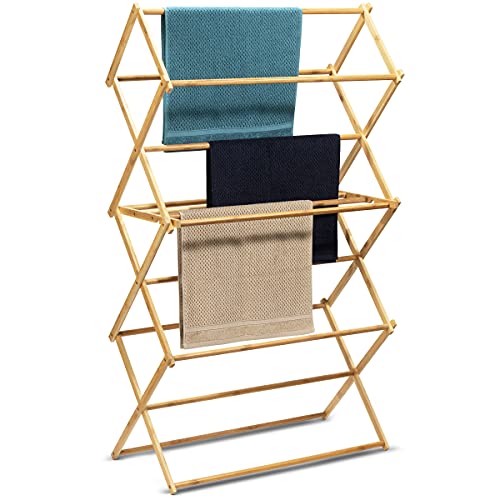
Air drying is my favorite lazy eco-hack. Sunny day? Hang clothes outside to line dry and take advantage of the sun. Raining? Use a drying rack inside for hanging clothes.
It’s easier on your clothes and skips the dryer altogether. Sunlight even naturally bleaches, whitens, and freshens laundry—no chemicals needed. Hanging clothes to dry, whether indoors or outdoors, saves energy and is perfect for small spaces.
Small space? Foldable racks or wall mounts do the trick. Every time I air dry, I know I’m saving energy (and my clothes look better for longer).
These are some great finds on Amazon



Laundry Room Lighting and Power Management
I swapped in LED bulbs for my laundry room. They sip energy and last forever.
I unplug appliances when I’m not using them, or I use smart power strips. No more phantom energy drain.
Running laundry during off-peak hours sometimes helps lower both costs and your carbon footprint. It’s the little stuff that adds up.
5. Water Conservation in the Laundry Room
Water-saving habits in the laundry room don’t have to be a hassle. By conserving water, you not only help reduce waste by minimizing unnecessary resource use, but you also save money on your utility bills. A few tweaks and some smart tech can slash your water use—no sacrifice necessary.
Efficient Water Usage
I always aim for full loads to get the most out of every drop. Modern washers let you pick the right water level for smaller loads, too.
Front-loaders are my favorite—they use way less water than top-loaders. Cold washes also protect fabrics and cut energy use.
Energy Star washers guarantee you’re not wasting water. Keeping machines in good shape (clean filters, check hoses) helps avoid leaks and unnecessary water loss.
Graywater and Rainwater Solutions
I collect graywater from lightly soiled loads and use it on my plants or for flushing toilets. It’s a solid way to cut down on fresh water use.
Setting up a simple graywater system isn’t as wild as it sounds—just divert some rinse water to your garden, but stick to non-toxic detergents if you’re watering plants.
Rainwater harvesting is another option. Combining both helps me manage water use and feel like I’m actually doing something for conservation.
6. Designing and Organizing Your Eco-Friendly Laundry Room
Setting up a sustainable laundry space is all about smart materials and storage. I have created an eco-friendly laundry room by using recyclable materials and sustainable options wherever possible. I look for ways to cut waste but still keep things practical and pleasant.
Recycled and Upcycled Storage Solutions
I’m all about storage made from recycled or upcycled stuff. It cuts down on waste and, honestly, brings a little personality to the space.
Baskets woven from old plastics or leftover fabrics? Perfect for laundry chaos. They keep everything sorted and look way more interesting than the usual bins.
When I stumble across wooden crates at a thrift shop, I grab them. They make great shelves or bins, and there’s something cool about giving them a second life.
New resources? Hard pass. These finds usually have way more charm, anyway.
Clear labels on containers help me keep track of what’s what. It’s a small thing, but it tames the clutter and saves me from digging around.
I stick with sturdy materials, too. No one wants to keep replacing broken bins every year.
Natural Materials and Finishes
Bamboo, cotton, linen—if it’s natural, I’ll probably pick it for laundry bags or curtains. They break down way faster than synthetics and just feel better.
For the bigger stuff like cabinets, I look for reclaimed wood or slap on some non-toxic paint. No weird chemical smells, no guilt.
Synthetic varnishes? I avoid them when I can. Less off-gassing, more peace of mind.
Choosing these materials just feels right. It’s sustainable and still looks good, which is kind of the goal, right?
Incorporating Plants for Air Quality
I can’t resist adding plants to the laundry room. They freshen up the air and make the whole place feel less… utility-room-ish.
Spider plants and pothos are my go-tos. They barely need attention, love the humidity, and help filter out whatever’s floating around.
I like to perch them on shelves or by a window. A little sunlight, a little green—suddenly laundry isn’t such a drag.
Bonus: plants help manage moisture, which means less chance of mold. Not glamorous, but totally necessary.
Decorate Sustainably: Style Without Waste
Just because you’re going green doesn’t mean your laundry room has to look like a beige bunker. You can totally have a cute, functional space and stay low-waste.
Here are a few of my favorite sustainable laundry room decor picks that are actually worth it:
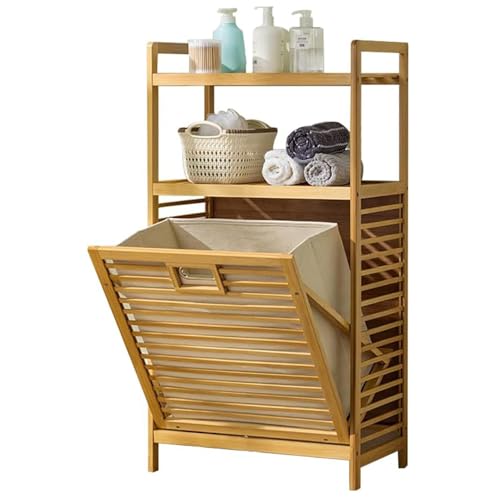
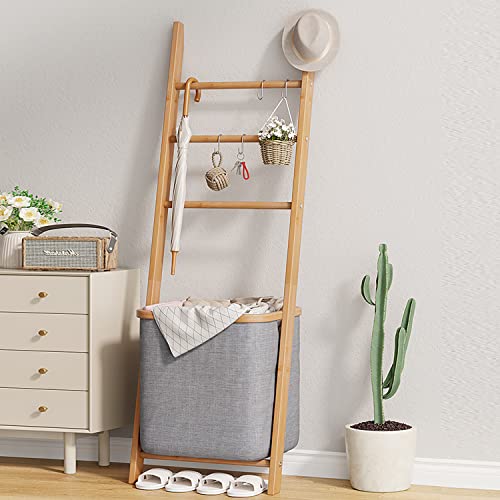
- Bamboo Laundry Baskets – Lightweight, durable, and 100x prettier than plastic bins. I love the ones with removable cotton liners — easy to wash, zero plastic.
- Glass Jars with Wooden Lids – Perfect for storing laundry pods, powder, or even clothespins. Bonus: you’ll actually see when you’re running low (no more surprise detergent outages).
- Refillable Amber Glass Bottles – For DIY or non-toxic cleaners. These look so good on open shelving and make you feel like you’ve got your life together.
- Recycled Wood Floating Shelves – Easy to install, super useful for keeping products off the counter, and way more aesthetic than plastic racks.
- Vintage Art Prints or Fabric Wall Hangings – Add a little personality without buying mass-produced decor. Check Etsy or your local thrift store.
If you’re looking to create a laundry space that feels calm, curated, and aligned with your low-tox lifestyle, these are my go-to swaps. They’re functional, beautiful, and built to last.
7. Maintaining a Healthy Eco-Friendly Laundry Space
Keeping the laundry room green and healthy takes a bit of effort. It’s important to avoid harmful chemicals when cleaning and maintaining your laundry room, as they can impact both your health and the environment. I stay on top of appliance care and try to pick products that don’t mess with the planet—or my peace of mind.
Routine Cleaning and Appliance Care
I clean my washing machine regularly. It keeps the mildew away and stops any weird smells from taking over.
Once a month, I run a cycle with white vinegar or a cleaner. Occasionally, I run a hot water cycle to help remove residue and bacteria from the machine. Doesn’t take long, but it makes a difference.
Lint filters? I empty them after every load. Efficiency goes up, and fire risk goes down. Win-win.
I always check hoses and seals for cracks or leaks. Fixing stuff early saves water and money—plus, it’s just less hassle later.
If I spot mineral buildup, I’ll descale the appliances. Keeps everything running smoothly and buys me more time before I have to replace anything.
Monitoring Product Safety and Updates
I always check out the ingredients in laundry detergents and stain removers before tossing them in my cart. If something’s loaded with phosphates, artificial fragrances, or sketchy chemicals, it’s a no from me—my skin and the planet deserve better. I also look for eco-friendly laundry detergent and natural stain remover options that are safe for sensitive skin and come in sustainable packaging.
Adding a microfiber filter to your washing machine is a simple way to reduce microplastic pollution, as these filters capture tiny fibers shed from synthetic fabrics before they enter water systems. Microfiber filters are an easy upgrade for anyone looking to make their laundry routine more sustainable.
Whenever I’m curious about a new eco-friendly product, I’ll test it on a tiny patch of fabric first. No one wants a surprise allergy or a ruined shirt, right?
I keep an eye on recalls and safety alerts by following legit sources and manufacturer updates. If something’s flagged, I’m swapping it out fast.
I’m all about products with ingredient lists I can actually read, plus those badges like biodegradable or non-toxic. A little transparency goes a long way when you want to make smarter, safer picks.
Shop The Post

- About the Author
- Latest Posts
- How I Test and Recommend

Juliet is the creator of Living Wild & Green, where she researches and writes about eco-friendly living, sustainable fashion, and non-toxic home upgrades. Since 2020, she’s been curating science-backed, stylish sustainability tips and personally testing products to help thousands of readers cut through greenwashing and live greener with confidence.