
Look, I’ll be honest – when I first started researching fall 2026 fashion trends, I expected the usual runway nonsense that nobody actually wears. But this season? It’s different. The trends coming out of Paris and the major fashion houses are actually wearable, and even better, a lot of them align with sustainable living.
Living in Miami Beach means my version of “fall fashion” starts in late October when it finally drops below 80 degrees. But I’ve been deep-diving into what Stella McCartney, Chemena Kamali’s Chloé, and other designers are showing for autumn, and I’m genuinely excited about these pieces.
Why This Season Feels Different
Here’s what I’m seeing: major luxury brands like Gucci, Louis Vuitton, Saint Laurent, and Chanel aren’t just paying lip service to sustainability anymore. They’re actually doing something about it. The EU’s Strategy for Sustainable and Circular Textiles aims to ensure that by 2030, all textile products placed on the EU market are durable, repairable, and recyclable, largely made from recycled fibers. This vision is being implemented through binding regulations that will transform the fashion industry over the next several years., which means brands can’t fake it anymore.
And the best part? The trends themselves are stuff you’d actually want to wear. We’re talking faux fur that’s plant-based, not plastic. Barn jackets that work for real life. Vintage pieces getting the respect they deserve.
Let me walk you through what’s actually worth paying attention to this fall.
1. Faux Fur That’s Finally Getting Better

I’ve avoided faux fur for years because it’s basically wearing plastic. And honestly? Most of it still is. But there’s real progress happening, and the cruelty-free options are improving.
Here’s what’s actually changing: Innovation companies like BioFluff are developing plant-based alternatives made from hemp and nettle with zero plastic. ECOPEL’s KOBA material is 37% plant-based and uses 63% less energy than conventional faux fur. The catch? These breakthrough materials are mostly available to designers right now, not direct to consumers yet.
What you can actually buy: The best option right now is faux fur made from recycled polyester instead of virgin plastic. It’s not perfect—it’s still synthetic—but it’s cruelty-free and uses far fewer resources than either real fur or brand-new plastic.
Affordable sustainable option: Quince’s Hooded Faux Fur Jacket is made from Global Recycled Standard certified recycled polyester in solar-powered factories. It proves sustainable doesn’t mean expensive.
Designer options: Stella McCartney has been cruelty-free since 2001 and uses recycled materials in many pieces. Apparis is PETA-approved and uses recycled materials throughout their collection.
How I’d wear it: Over jeans and a simple knit. Maybe with riding boots if I’m feeling fancy, or chunky loafers for running around. The texture does all the work—you don’t need to overthink the rest of your outfit.
Vintage is always an option: Check The RealReal or Vestiaire Collective for second-hand Stella McCartney or Shrimps. When you buy vintage, you’re extending the life of something that already exists rather than creating demand for new production.
Looking ahead: Keep an eye on Stella McCartney’s website—she showcased plant-based Savian material and will likely be one of the first to offer it to consumers when it scales up.
2. Barn Jackets Are Having a Moment

Remember when Burberry made countryside dressing cool? That aesthetic is back, but in a way that actually makes sense for everyday life.
Barn jackets are everywhere this fall. The loose fit works whether you’re wearing vintage jeans or tailored pants. I like them in classic browns and neutrals because those shades go with everything and don’t scream “I’m trying too hard.”
Sustainable option that doesn’t compromise: Reformation’s Harrison Utility Jacket ($248) is made from 100% organically grown cotton, with some versions using regeneratively grown cotton from Australia’s first climate-positive farm. That means it actually absorbs more carbon than it produces. The fabric is embedded with FibreTrace technology so you can trace exactly where it came from—full supply chain transparency. Reformation is B Corp certified and committed to net-zero carbon by 2040.
Style tip: Throw one over a plaid shirt and jeans for that Free People vibe. Or layer it over a chunky knit when it gets colder. The whole point is looking effortlessly cool, which means not overthinking it. The oversized fit is perfect for Miami’s version of “fall” when you need something lightweight but polished.
Also worth checking: Patagonia’s Iron Forge Hemp Canvas Barn Coat ($219) if you want something more heavy-duty made from hemp. Both brands prove you don’t have to sacrifice sustainability for style.
3. Boots That Go With Everything

Knee-high boots are having a moment—not the stiff equestrian styles your mom wore, but slouchy, comfortable versions that work with jeans, dresses, and everything in between.
Sustainable options that look expensive:
ALOHAS Knee-High Boots ($330+) – Handcrafted in Spain and Portugal using LWG-certified sustainable leather or vegan alternatives. Their pre-order model prevents overproduction, so you’re not contributing to waste. Available in sizes US 5-14.5, which is rare for sustainable brands.
Everlane Boots ($178+) – Made with LWG-certified leather and recycled plastic bottles. Their “Cleaner Chemistry” commitment means fewer harmful chemicals. These are my go-to for work-appropriate styles that don’t look boring.
Budget-friendly: Quince Leather Boots ($80+) – LWG-certified leather tanned in ethical factories. The Italian leather especially gets rave reviews for being buttery soft and comfortable all day.
How I’d style them: With straight-leg jeans tucked in, or over tights with a midi skirt. The key is keeping the rest simple—let the boots do the talking. In Miami, I mostly wear mine with lighter fabrics since our “cold” is 65 degrees, but they work anywhere.
Why sustainable leather matters: Look for Leather Working Group (LWG) certification—it means the tanneries use less water, manage waste properly, and eliminate restricted substances. It’s not perfect (it’s still leather), but it’s significantly better than conventional leather production.
4. Statement Accessories Are Back
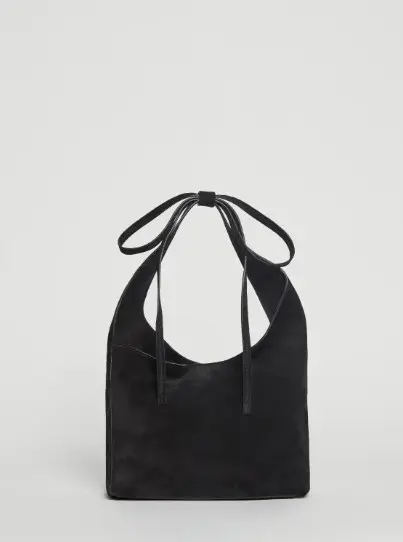
Accessories are having a moment again. And honestly? I’m here for it.
We’re seeing a return to bags that make a statement—think slouchy leather totes with interesting hardware, crossbody bags you actually want to wear, and pieces that elevate even your most basic jeans-and-tee combo. Wide leather belts are cinching everything from oversized cardigans to slip dresses. And those little touches—silk scarves, statement socks peeking over chunky loafers—add personality without trying too hard.
The challenge? Finding accessories that don’t compromise on either style or sustainability. Most leather goods come with a hefty environmental cost, and vegan leather alternatives are often just plastic in disguise.
For sustainable bags, I love what Reformation is doing. Their Medium Vittoria Tote hits that sweet spot of slouchy, effortless leather with actual sustainability credentials. It’s made from semi-vegetable tanned calf leather sourced from Leather Working Group gold and silver audited tanneries—which means responsible tanning practices, less water waste, and no restricted substances. Plus it fits a laptop, so it’s practical for actual daily life in Miami Beach.
If you’re looking for fully vegan options, Matt & Nat has been a leader in recycled vegan leather for years. Their crossbody bags and totes are made from recycled plastic bottles with recycled linings, and they’re PETA-approved. Pixie Mood (another Montreal-based brand) offers structured, modern designs, all made from recycled water bottles with climate-positive shipping.
For belts, look for brands like Nisolo, which uses LWG-certified leather as a byproduct of the meat industry and pays fair wages in their Peru factories (they’re B Corp certified). Or go fully plant-based with NAE (No Animal Exploitation), a Portuguese brand that makes statement belts from recycled PET, cork, and even Piñatex (pineapple leaf fiber). All OEKO-TEX certified, meaning no harmful chemicals.
My favorite shopping hack? Vintage and resale platforms like The RealReal and Vestiaire Collective are absolute goldmines for accessories. A pre-loved designer bag often costs less than buying new fast fashion, and you’re getting something that’s already proven it lasts. Plus, buying secondhand is automatically the most sustainable option—you’re keeping something out of landfills and skipping all the production emissions entirely.
5. Denim’s Getting a Sustainable Makeover

Jeans are trending, but not just any jeans. We’re finally seeing real innovation in denim production—water-saving techniques, organic cotton, actual recycled materials that aren’t just greenwashing talking points.
MUD Jeans is leading the charge here. They’re using 40% recycled denim in everything they make and working toward 100%, which is kind of wild when you think about how resource-intensive traditional denim production is. But here’s what really sets them apart: their circular business model. You can lease jeans, wear them for as long as you want, then return them for recycling. Or buy them outright and send any old jeans back (any brand) for a discount on your next pair. It’s denim that’s actually designed to never end up in a landfill.
The trends within the trend right now:
Barrel jeans with their sculptural, loose fit—way more forgiving than skinny jeans ever were, especially in Miami’s heat.
Vintage-inspired washes that look authentic, not fake-distressed. Think real fading, not sandblasted.
Denim-on-denim done in matching shades. Not your dad’s Canadian tuxedo—more like Dries Van Noten’s unexpected pattern mixing meets effortless cool.
The move? Dark indigo jeans with a lighter denim jacket, keep everything else simple. Or go full tonal with the same wash head-to-toe. Just make sure your denim is actually sustainable—because the difference between conventional and responsible denim production is massive.
6. Plaid Isn’t Going Anywhere

Plaid is back in coats, scarves, pants – basically everywhere. But this isn’t your typical tartan situation.
I’m seeing brown plaids, sophisticated grey checks, unexpected pops of burgundy or forest green mixed in. Gucci and Chanel both showed plaid, which tells you it’s got serious fashion credentials this season.
The sustainable play? Plaid is one of those patterns that vintage does best. Wool plaid pieces from the ’70s and ’80s last forever. If you’re buying new, Sézane’s Matheo Trousers in brown plaid checks are made in Europe with audited ethical factories—B Corp certified with 70%+ sustainable materials across their collections
How to wear it without looking like a lumberjack: Pair plaid pants with solid knits. Layer a plaid coat over monochrome outfits. Mix plaid with leather for edge. The key is not going full plaid-on-plaid unless you’re very confident in your choices.
7. Chunky Knits and All the Texture

Fall means embracing texture. Chunky cable knits, soft cashmere, cozy wool blends – the season is all about layering different materials to create depth.
I’m a big fan of starting with something smooth (silk or lace cami), adding a fitted turtleneck, then throwing on an oversized cardigan or chunky knit. Finish with a coat or barn jacket if it’s actually cold.
Color-wise, rich browns and warm taupes are dominating. Sophisticated neutrals with unexpected pops of color. Classic black and winter white still work for contrast – some things never change.
8. Vintage Shopping Is a Trend Now (Finally)
About time everyone caught up to what thrifters have known forever. Archive fashion is giving people access to couture-level fabrics and construction you just don’t see in current fast fashion.
Prada wrap skirts from the ’90s, Dries Van Noten’s printed midis, Miu Miu pleated satin – all available on authenticated resale platforms. The quality is often better, you get something unique, and the environmental impact is way lower.
My go-to sites: The RealReal, Vestiaire Collective, ThredUp, plus local vintage boutiques. Just make sure you’re buying from platforms that verify designer pieces if you’re spending serious money.
9. Monochrome Everything

Dressing in one color family just looks more sophisticated. It elongates your silhouette, makes getting ready easier, and always photographs well.
Here in Miami Beach, I’m leaning into monochrome more than ever—especially those warm browns and rich neutrals that feel elevated without trying too hard.
Try these combinations:
All brown: Chocolate leather pants with camel knits, or go full mocha like Reformation’s Clara Cashmere Crew Cardigan paired with matching trousers. The key is playing with different shades within the brown family—think espresso, camel, taupe, and cognac all in one outfit.
Winter white layers: Cream coat over ivory sweater over off-white jeans. In Florida’s mild fall, this actually works without looking too summery if you stick to heavier textures like wool and cashmere.
Black on black: Forever chic, never boring. This is your power move when you want to look put-together with zero effort.
The trick? Mixing textures within your color palette. Smooth leather with chunky knits. Structured coats with flowing silk. Matte wool with glossy satin. Different shades of the same color create visual interest without overwhelming your outfit or making you look washed out.
For sustainable monochrome pieces, Reformation’s knitwear collection offers beautiful neutrals in responsible cashmere and organic materials. The brand has been carbon neutral since 2015 and publishes transparent quarterly sustainability reports, so you can feel good about building your tonal wardrobe.
10. Paris-Inspired Effortless Dressing

The French approach to fall fashion makes so much sense: quality basics, timeless silhouettes, and not trying too hard. Saint Laurent’s sleek minimalism meets Chemena Kamali’s Chloé bohemian edge.
What this looks like in practice: one perfect leather jacket, a classic trench coat, jeans that fit perfectly, simple knits in neutral shades, and boots you can actually walk in all day.
The philosophy isn’t about following every trend. It’s about building a wardrobe of garments you’ll love for years. Buy less, choose better, wear longer.
11. Don’t Forget Your Summer Pieces

Why pack away summer clothes when you can layer them into fall? I’m talking about wearing lace or silk slip dresses over fitted turtlenecks. Pairing linen skirts with chunky boots and wool coats. Taking those flowy sundresses and transforming them with leather jackets and tights.
This isn’t just about extending your wardrobe—though that’s a huge part of it. It’s about creating unexpected combinations that feel fresh and intentional rather than like you’re desperately clinging to summer. And honestly? It’s one of the most sustainable things you can do. When you’re not buying entirely new seasonal wardrobes every few months, you’re keeping clothes out of landfills and skipping all those production emissions.
Here in Miami Beach, this is especially practical. Our “fall” barely requires a coat most days, so transitional dressing isn’t just smart—it’s necessary. That cotton dress you wore in July? It still works in November with a cardigan and ankle boots.
The formula: Add tights, boots, and layering pieces to warm-weather clothing instead of storing everything away until next year. A silk slip dress becomes fall-appropriate with a chunky knit layered on top. Linen shorts work under an oversized blazer. Your favorite summer skirt pairs perfectly with knee-high boots and a turtleneck.
This approach also aligns with the circular fashion principles we’re seeing in the EU’s textile regulations—keeping clothing in use longer, maximizing what you already own, and resisting the constant pressure to buy new seasonal collections.
12. Circular Fashion Isn’t Optional Anymore
The biggest trend isn’t actually a trend at all—it’s about how we shop, not just what we buy. Circular fashion means designing clothes that can be reused, recycled, or composted instead of ending up in landfills. And it’s not some far-off aspiration anymore.
Remember those EU textile regulations I mentioned with the faux fur? By 2030, all textile products sold in the EU market need to be durable, repairable, and largely made from recycled fibers. That’s not a suggestion—it’s policy. And while the US hasn’t caught up yet, the shift is already happening globally.
Here’s what circular fashion looks like in practice:
Some brands are doing on-demand production—they only make clothes when you order them, which eliminates waste from unsold stock sitting in warehouses. Fashion rental services are booming for occasion wear. Resale platforms like The RealReal, Vestiaire Collective, and ThredUp make it ridiculously easy to refresh your wardrobe without supporting overproduction.
Brands like Reformation publish quarterly sustainability reports tracking their progress toward a fully circular system by 2030. Eileen Fisher has their Renew program, transforming used clothing into new designs. Mud Jeans lets you lease jeans and return them for recycling. These aren’t fringe players anymore—this is becoming the standard.
This matters because the old model—make a ton of stuff, throw away what doesn’t sell, repeat every six weeks—is dying. And honestly? Good riddance. That system gave us cheap clothes and a planet choking on textile waste.
My approach: I buy fewer pieces from transparent brands, I shop secondhand when I can, and I actually wear what I own instead of treating my closet like a rotating showroom. It’s not about perfection. It’s about being intentional.
The Designers Leading This Shift
I want to call out a few designers whose fall 2025 runway shows are influencing what we’re seeing trickle down to accessible, sustainable brands:
Chemena Kamali’s Chloé is bringing this romantic, flowing energy to fall dressing. It’s bohemian without being costume-y, feminine without being precious. You’re seeing this aesthetic echo in brands like Faithfull The Brand and Christy Dawn.
Stella McCartney continues to prove that luxury fashion can be sustainable. She’s been doing this since 2001—no animal fur, no leather, transparent supply chains. She’s literally pioneering plant-based fur alternatives like Savian that will eventually be available to consumers.
Dries Van Noten shows that bold pattern mixing and thoughtful design aren’t mutually exclusive. His texture combinations and plaid-on-plaid moments are teaching a masterclass this season—which is why we’re seeing sophisticated plaids everywhere right now.
Jil Sander keeps it minimal and sophisticated, focusing on quality materials and timeless cuts that don’t need updating every six months. This “quiet luxury” approach is inherently more sustainable than trend-chasing.
Louis Vuitton and Saint Laurent are bringing the bold boots and statement bags that define fall’s edge. Not everything has to be subtle. (Though if you want these vibes sustainably, vintage and resale platforms are your best bet for designer pieces.)
Beyond Clothing: The Complete Picture
Fashion trends extend past what you wear. Beauty this fall is about natural glowing skin over heavy makeup, rich autumn shades in lips and nails, and sustainable beauty products that match your conscious fashion choices.
It’s a holistic approach. Your style isn’t just your clothes—it’s how you present yourself entirely
How I Actually Shop These Trends
Here’s my no-BS framework for shopping sustainably without making it complicated:
First: Shop your closet. Seriously. Pull everything out and see what you can restyle with different accessories or new layering combinations.
Second: Identify real gaps. What’s actually missing versus what just looks fun? There’s a difference.
Third: Choose quality when you do buy. One well-made garment beats five cheap ones. Every time.
Fourth: Prioritize vintage. Secondhand designer often costs less than new fast fashion and lasts forever.
Fifth: Support ethical brands when buying new. Look for transparency about materials and production.
Sixth: Care for everything properly. Proper washing and storage extends garment life by years, not months.
Questions I Ask Before Buying Anything
- Will I wear this at least 30 times?
- Does it work with stuff I already own?
- Is the material sustainable or at least durable?
- Am I buying this because I love it or because it’s trending?
If I can’t answer yes to the first three questions, I don’t buy it. Simple as that.
Building Your Personal Fall Story
The best wardrobes tell stories. They’re not about owning every trend—they’re about curating pieces that make sense for your life in Miami Beach (or wherever you are).
Start with essentials: One statement coat (faux fur or barn jacket that actually works for your climate), quality denim that fits right, versatile boots, layering pieces like knits and cardigans, and one or two accessories that elevate everything.
Then add your edge: A plaid piece that makes you smile. Vintage finds that spark conversation. Texture and pattern that reflect who you are. Sustainable pieces from brands doing the actual work—not just greenwashing.
You don’t need 50 pieces. You need 20-25 pieces you actually love and wear on repeat
What I’m Actually Excited About
Here’s the thing—fall 2025 fashion is offering something we haven’t seen in years: style without ethical compromise.
Plant-based faux fur alternatives are in development (though not consumer-available yet, they’re coming). Circular fashion models are becoming mainstream with brands like Reformation and Mud Jeans. Quality is making a comeback as people realize fast fashion isn’t actually saving them money.
The EU’s 2030 textile regulations are forcing real change—durability, repairability, and recycled materials aren’t optional anymore. And while luxury houses like Polo Ralph Lauren, Tory Burch, Tom Ford, Burberry, Dior, Fendi, and Gucci showcase these trends on the runway, accessible sustainable brands like Reformation, Quince, Sézane, Faithfull The Brand, and STAUD are making them actually wearable and affordable.
Whether you’re inspired by Free People’s laid-back layering or prefer more polished silhouettes, there’s room for personal style within sustainable fashion. The options exist now in a way they didn’t five years ago.
The Bottom Line
You don’t need a new wardrobe. You need a thoughtful approach.
Think about the pieces you add. Care for what you own. Choose brands that align with your values. Mix vintage with new. Layer thoughtfully. Embrace texture and pattern. Don’t follow every trend – just the ones that make sense for your life.
The most important fashion trend this fall? Wearing what makes you feel confident while staying true to what matters to you.
That never goes out of style.
- About the Author
- Latest Posts
- How I Test and Recommend

Juliet is the creator of Living Wild & Green, where she researches and writes about eco-friendly living, sustainable fashion, and non-toxic home upgrades. Since 2020, she’s been curating science-backed, stylish sustainability tips and personally testing products to help thousands of readers cut through greenwashing and live greener with confidence.


