Have you ever heard of the vaquita porpoise? This small, elusive marine mammal is the most endangered cetacean species in the world. With a population of less than 10 individuals, vaquitas are at a critically high risk of extinction. These porpoises are only found in the Gulf of California, where they play a vital role in the region’s ecosystem.
Marine conservation efforts are being made to preserve the vaquita population and protect their natural habitat. In this article, we will explore the world of the vaquita porpoise, from their unique characteristics to the challenges they face and the efforts being made to ensure their survival.
Key Takeaways:
- The vaquita porpoise is the smallest and rarest marine mammal in the world.
- They are only found in the Gulf of California, which is also their natural habitat.
- Conservation efforts are being made to protect the vaquita population and preserve their habitat.
- The biggest threat to vaquita porpoises is illegal fishing, which causes them to be caught in gillnets and drown.
- We all have a role to play in supporting vaquita conservation and promoting marine conservation efforts.
The Vaquita Porpoise – A Rare and Fragile Species
The vaquita porpoise is a small and unique marine mammal that is critically endangered. The species is native to the Gulf of California, where they rely on the shallow waters near the coast as their habitat. Vaquitas are the smallest porpoises in the world, measuring only around 5 feet in length and weighing up to 120 pounds. As an endangered species, the vaquita population has been drastically reduced in recent years due to human activity.
According to recent estimates, there are fewer than 30 vaquitas left in the wild. This alarming number makes them the most endangered marine mammal in the world. One of the main factors contributing to their declining population is illegal fishing practices in the Gulf of California. The use of gillnets, a type of fishing gear that catches fish by their gills, often results in the accidental capture of vaquitas, which can lead to their death.
The vaquita habitat is also under threat due to human activities such as pollution and habitat destruction. Industrial activities, including oil drilling and shipping, also pose a significant risk to the species. Effective conservation efforts are crucial to protecting the remaining vaquitas and their habitat.
“The vaquita porpoise is a rare and precious species that needs our urgent attention and protection.”
Vaquita Population and Habitat
The vaquita population has declined by more than 90% over the past few decades, making it one of the most critically endangered species in the world. The species is native to the Gulf of California, a unique and productive ecosystem that provides ideal conditions for vaquitas to thrive. The Gulf is home to a variety of marine life, including whales, dolphins, sea turtles, and numerous fish species.
Vaquitas are known to inhabit the shallow coastal waters of the Gulf, particularly the area around the Colorado River delta. They prefer areas with soft mud or sandy bottoms and are often seen near the surface of the water. Vaquitas are also known to be relatively solitary animals, with most sightings involving only one or two individuals at a time.
Vaquita Facts
Vaquita porpoises are fascinating creatures with some unique characteristics and adaptations. Here are a few interesting facts:
- Vaquitas are the smallest porpoises in the world, reaching a length of only 4-5 feet.
- Vaquitas use echolocation to navigate and find food. They emit high-frequency clicks that bounce off objects and return to their ears, allowing them to build an image of their surroundings.
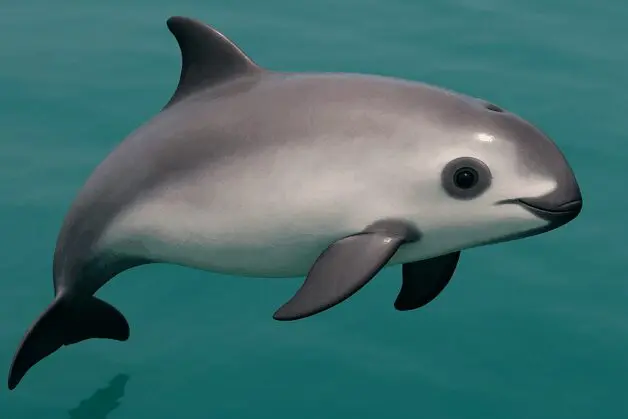
- Vaquitas are known for their distinctive dark circles around their eyes and mouth, giving them a distinctive appearance.
- Vaquitas have a lifespan of up to 20 years in the wild.
- Vaquitas are not known to be aggressive towards humans and rarely interact with boats or swimmers, making them difficult to observe in the wild.
The Fragility of the Vaquita Porpoise
The vaquita porpoise is a fragile species that is facing a number of threats to its survival. Industrial activities, overfishing, and habitat destruction are all contributing to the decline of the species. The vaquita population has been reduced to a critically low level, and urgent conservation efforts are needed to protect the remaining individuals and their habitat.
Effective conservation efforts will require collaboration between local communities, governments, and conservation organizations. By working together, we can help ensure that the vaquita porpoise has a future in the Gulf of California and beyond.
The Gulf of California – A Critical Ecosystem for Vaquitas
The Gulf of California, also known as the Sea of Cortez, is a unique and biodiverse region that spans over 1,000 miles in northwestern Mexico. Its warm and shallow waters are home to an abundance of marine life, including the vaquita porpoise.
The vaquita habitat is limited to a small area in the upper Gulf of California, making it a critically endangered species. The total population of vaquitas is estimated to be less than 10 individuals according to the latest scientific studies, and the species is at risk of extinction.
Marine conservation efforts are crucial to protecting and preserving the vaquita habitat. The Mexican government has instituted a ban on gillnet fishing, which has been the primary cause of vaquita deaths. This has been a significant step forward for vaquita conservation, but more needs to be done to address other threats to the species.
The Importance of Marine Conservation
Marine conservation plays a vital role in the preservation of the Gulf of California ecosystem and its inhabitants, including vaquitas. It is essential to ensure the sustainability of fishing practices, such as the use of alternative fishing gear, and the establishment of protected areas for vaquitas. These measures can help mitigate the impact of human activities on the natural habitat of this rare and fragile species.
Marine conservation initiatives are also working to address illegal fishing activities that continue to pose a threat to vaquitas. Increased patrolling and monitoring of the vaquita habitat have helped to reduce illegal fishing and protect the species. Collaborative efforts among the government, organizations, and local communities are critical in achieving the long-term conservation of vaquitas and the Gulf of California ecosystem.
The Vaquita Population and the Gulf of California
| Vaquita Population | Gulf of California |
|---|---|
| Current population: less than 10 individuals | Spanning over 1,000 miles in northwestern Mexico |
| Endangered species | Home to numerous species of marine life |
| Critically endangered due to human activities such as gillnet fishing | A biodiverse region that includes coral reefs, mangroves, and seagrass beds |
The Gulf of California is a unique and vital ecosystem for vaquitas. The species is specially adapted to thrive in this particular habitat, and its disappearance would have significant consequences for the marine ecosystem as a whole. Sustaining the natural balance of the Gulf of California requires a scientific and ecological approach to marine conservation that considers the needs of all species that depend on the region for survival.
In conclusion, the Gulf of California is a crucial ecosystem for vaquita porpoises and other marine life. Marine conservation efforts aimed at protecting this fragile species are critical to its survival. It is essential to continue monitoring the vaquita population and taking proactive measures to safeguard their habitat. The collaborative efforts of governments, organizations, and local communities are fundamental to ensuring the long-term conservation of vaquitas and the Gulf of California ecosystem.
Threats to the Vaquita Porpoise Population
The vaquita porpoise is one of the most endangered marine mammals in the world, with less than 10 individuals remaining in the wild. The species faces a range of threats that have contributed to their decline, making conservation efforts more crucial than ever.
Illegal Fishing Practices
One of the main threats to the vaquita population is illegal fishing practices in the Gulf of California. The region is a hub for the fishing industry, with many local communities relying on the sea for their livelihoods. However, some fishers use gillnets to catch seafood such as totoaba, a highly valued fish in Asian markets. These gillnets pose a significant danger to vaquitas, as they often become entangled and drown.
Habitat Destruction
Another factor contributing to the decline of vaquitas is habitat destruction. The Gulf of California is a unique marine ecosystem that is under threat from various human activities such as pollution and coastal development. As the habitat of vaquitas is limited to a small area within the Gulf, any damage to their environment can have a devastating impact on their population.
Conservation Efforts and their Challenges
There have been several conservation efforts to protect the vaquita population, such as the implementation of a gillnet ban and the creation of protected areas. However, these initiatives face several challenges, such as lack of enforcement and low levels of awareness among local communities. Despite these challenges, conservationists continue to work towards protecting and preserving the species.
It is crucial that we take action to address these threats and ensure the survival of the vaquita porpoise. By supporting conservation efforts and making conscious choices that promote marine conservation, we can all play a role in protecting this unique and endangered species.
Conservation Efforts to Save the Vaquita Porpoise
The endangered status of the vaquita porpoise has spurred conservation efforts to save this unique marine mammal from extinction. These efforts involve a collaborative approach by organizations, governments, and local communities to protect and preserve the species and its habitat in the Gulf of California.
Conservation Initiatives: The Mexican government has taken significant steps to protect the vaquita porpoise, including establishing a two-year ban on gillnet fishing in the Gulf of California and compensating fishermen for transition into alternative sustainable fishing practices. Other conservation organizations are implementing initiatives such as acoustic monitoring to better understand vaquita populations and conducting research to identify more sustainable fishing practices in the region.
| Conservation Efforts | Impact on Vaquita Population |
|---|---|
| Establishment of protected areas in the Gulf of California | Ensures safe and secure habitat for vaquitas to thrive |
| Promotion of sustainable fishing practices | Reduces accidental bycatch and helps preserve the vaquita’s food source |
| Collaboration with local communities | Builds awareness and engagement in conservation efforts |
Challenges: Despite the efforts to protect vaquitas, the species’ population continues to decline due to illegal fishing and lack of enforcement of regulations. The limited range of the species and their slow reproductive rate make them particularly vulnerable to extinction.
The Call to Action: The urgency to save the vaquita porpoise requires continued and intensified conservation efforts. By supporting conservation organizations and initiatives and making conscious choices that promote marine conservation, individuals can contribute to the preservation of this amazing marine mammal for future generations.
The Role of Marine Conservation in Vaquita Preservation
The Gulf of California is home to a unique ecosystem that supports a diverse range of marine life, including the endangered vaquita porpoise. Unfortunately, human activities such as illegal fishing and habitat destruction pose a significant threat to the vaquita population and their habitat. The importance of marine conservation efforts in the region cannot be overstated, as they are critical to the protection and preservation of these beautiful marine mammals.
Marine conservation efforts can take many forms, with the primary goal of protecting the natural environment and promoting sustainable use of marine resources. In the case of the vaquita porpoise, this may include:
- Establishing protected areas where vaquitas can live and breed undisturbed
- Enforcing regulations that restrict harmful human activities such as gillnet fishing
- Promoting sustainable fishing practices that minimize the impact on vaquita habitat
- Conducting research and monitoring to better understand vaquita populations and trends
The Gulf of California is a vital ecosystem for vaquitas, providing a rich and diverse habitat that is essential to their survival. Through collaborative efforts that involve governments, organizations, and local communities, marine conservation efforts can help ensure the long-term preservation of this unique marine mammal.
“The Gulf of California is a vital ecosystem for vaquitas, providing a rich and diverse habitat that is essential to their survival.”
How Marine Conservation Benefits Vaquita Populations
Marine conservation efforts have proven to be effective in protecting vaquita populations and their habitat. For example, the Mexican government has implemented a two-year gillnet fishing ban in the northern Gulf of California, where vaquitas are primarily found. This ban has significantly reduced the number of vaquita deaths attributed to gillnet fishing and is a crucial step in protecting the species.
Other organizations, such as the World Wildlife Fund and the International Committee for the Recovery of the Vaquita, have also played a critical role in vaquita conservation efforts. These groups work to promote awareness of the vaquita’s plight and support research and monitoring efforts to better understand their population trends and habitat.
Marine conservation efforts are essential to the future of vaquitas and their habitat in the Gulf of California. By promoting sustainable use of marine resources and protecting natural environments, we can help ensure that these remarkable marine mammals continue to thrive for generations to come.
The Current State of the Vaquita Population
The vaquita porpoise, an endangered species and the smallest marine mammal, is on the brink of extinction. Despite conservation efforts, the vaquita population has declined drastically in recent years due to human activities such as illegal fishing and habitat destruction. It is estimated that there are less than 10 vaquitas remaining in the wild, making it the most critically endangered cetacean species in the world.
“The situation is dire, and urgent action is needed to save the vaquita population from disappearing forever,” says marine conservation expert, Dr. Anna Rodriguez.
Conservation efforts have been ongoing for several years, with diverse initiatives aimed at protecting the vaquita population and their habitat. The Mexican government has implemented a two-year ban on the use of gillnets in the vaquita’s range, while international organizations are supporting local communities in adopting sustainable fishing practices.
The vaquita population has been monitored closely to understand population trends, with researchers and conservationists working to raise awareness about the importance of preserving this unique and fragile species. However, the challenges facing vaquita conservation are significant, and coordinated efforts from governments, organizations, and individuals are needed to ensure their survival.
Conservation Efforts to Protect the Vaquita
The vaquita conservation efforts focus on a range of initiatives aimed at protecting their habitat and reducing human impacts on the species. These efforts include:
| Conservation Initiative | Description |
|---|---|
| Temporary ban on gillnet fishing | A two-year ban on the use of gillnets in the Upper Gulf of California was implemented in 2017 to reduce the risk of vaquita bycatch. |
| Sustainable fishing practices | Local communities are being supported in adopting sustainable and vaquita-friendly fishing practices to reduce the impact of fishing on the species. |
| Habitat restoration | Efforts are underway to restore and protect critical vaquita habitat areas, including the Colorado River Delta. |
| Education and outreach | People are being engaged in vaquita conservation through educational programs, community outreach, and public awareness campaigns. |
While these conservation efforts are promising, the vaquita population continues to decline, highlighting the urgency of the situation. It is crucial that all stakeholders work together to promote marine conservation and support vaquita conservation efforts before it’s too late.
Fascinating Facts about Vaquitas
The vaquita porpoise is a small and unique marine mammal that is rapidly disappearing from the world’s oceans. Here are some interesting facts about this endangered species:
- The vaquita is the smallest porpoise species in the world. Adult vaquitas can reach lengths of up to 5 feet and weigh around 120 pounds.
- The vaquita is one of the rarest marine mammals in the world. Scientists estimate that there are less than 30 individuals left in the wild, making it one of the most critically endangered species on the planet.
- Vaquitas are only found in the Gulf of California in Mexico. This area is also known as the Sea of Cortez and is the smallest and most diverse ocean in the world.
- Vaquitas are often referred to as the ‘pandas of the sea’. This is due to their black markings around their eyes and mouth, which resemble the markings of a panda bear.
- Vaquitas are known for their shy and elusive nature. They are often difficult to spot in the wild, as they tend to avoid boats and are not very active on the surface of the water.
The vaquita porpoise is a fascinating and remarkable marine mammal that is unfortunately facing extinction. By learning about this species and taking action to protect it, we can help ensure that future generations will have the chance to appreciate this unique animal.
The Future of Vaquita Conservation
The vaquita porpoise is an endangered species facing significant threats to its population. The urgent need for conservation efforts cannot be overstated, as the future of the species is in jeopardy.
Marine conservation is vital to the preservation of vaquitas and their habitat in the Gulf of California. Concerted conservation efforts are necessary to mitigate the impacts of human activities and protect the species from further decline.
The future of vaquita conservation hinges on a collaborative approach that involves governments, organizations, scientists, and local communities. The efforts of various stakeholders must be synchronized to achieve efficacy in conservation efforts.
Conservation efforts must focus on sustainable fishing practices that minimize bycatch, habitat restoration, the implementation of regulations and protected areas, increased enforcement against illegal fishing, and public education and outreach campaigns.
Despite the challenges, there are reasons to be optimistic about the future of vaquita conservation. The increasing awareness of the species and its plight has fuelled collaboration and support for conservation efforts. Innovative techniques such as acoustic monitoring and drone surveys have improved our understanding of vaquitas and their habitat, providing valuable insights for conservation efforts.
The vaquita porpoise is a unique and precious marine mammal, and their conservation is of critical importance. Continued collaborative efforts, innovation, and public support are necessary to ensure their survival and the preservation of a healthy marine ecosystem in the Gulf of California.
Supporting Vaquita Conservation – What You Can Do
If you’re interested in helping preserve the unique and endangered vaquita porpoise, there are various things you can do to support vaquita conservation efforts. Here are some practical ways to get involved:
- Spread Awareness: One of the most important things you can do is to spread awareness about the plight of vaquitas. Share information about them on social media, talk to your friends and family about them, and encourage others to get involved in conservation efforts.
- Support Organizations: Many organizations are working hard to protect and preserve vaquita populations. Consider making a donation to one of these organizations to support their conservation efforts.
- Make Eco-Friendly Choices: Be conscious of your impact on the environment and make eco-friendly choices in your daily life. Reduce your use of plastic products, choose sustainably-sourced fish, and dispose of waste responsibly.
- Participate in Cleanups: Participate in beach, river, and ocean cleanups in your local area to help protect the habitats of vaquitas and other marine species.
Remember, every action counts when it comes to marine conservation. By taking small steps to support vaquita conservation efforts, you can help protect these unique and fascinating marine mammals for generations to come.
Conclusion
The vaquita porpoise is a truly remarkable and unique marine mammal that is unfortunately facing extinction. It is imperative that we take action to protect and preserve their habitat in the Gulf of California in order to ensure their survival for future generations.
Conservation efforts are vital in the fight to save this endangered species. Through collaborative efforts between organizations, governments, and local communities, we can make a difference in vaquita conservation. By promoting sustainable fishing practices, creating protected areas, and implementing regulations to safeguard their habitat, we can make a positive impact on the vaquita population.
It is essential that we continue to monitor and research vaquita populations to understand their trends and respond accordingly. We must also raise awareness about this fragile species and the importance of marine conservation efforts in preserving their future.
Supporting Vaquita Conservation – What You Can Do
You can make a difference in vaquita conservation by spreading awareness about this endangered species and supporting organizations and initiatives working to protect them. By making conscious choices that promote marine conservation, such as reducing plastic use and supporting sustainable seafood, you can help protect the vaquita habitat. Every effort counts in the fight to save this unique and endangered marine mammal.
Let’s work together to ensure the future of the vaquita porpoise and promote marine conservation efforts for a healthy and thriving ocean ecosystem.
FAQ
What is a vaquita porpoise?
The vaquita porpoise is the smallest and most endangered marine mammal. It is native to the Gulf of California.
How many vaquita porpoises are left?
As of the latest estimates, there are only around 10 vaquita porpoises remaining in the wild.
What is the habitat of vaquita porpoises?
Vaquita porpoises inhabit the shallow, coastal waters of the Gulf of California.
What are the main threats to vaquita porpoise population?
The main threats to vaquita porpoises are illegal fishing activities and habitat destruction caused by human activities.
What conservation efforts are being made to save vaquita porpoises?
Various organizations, governments, and local communities are working together to protect and preserve the vaquita porpoise through initiatives such as the establishment of protected areas and sustainable fishing practices.
How can I support vaquita conservation?
You can support vaquita conservation by spreading awareness, supporting organizations and initiatives dedicated to their protection, and making sustainable choices that promote marine conservation.
What are some fascinating facts about vaquitas?
Vaquitas have distinctive dark eye rings and dark rings around their mouths. They are also known for being shy and elusive, making them difficult to study.
What is the future of vaquita conservation?
The future of vaquita conservation depends on continued efforts to protect their habitat, promote awareness, and involve individuals and communities in preservation initiatives.
- About the Author
- Latest Posts
- How I Test and Recommend

Juliet is the creator of Living Wild & Green, where she researches and writes about eco-friendly living, sustainable fashion, and non-toxic home upgrades. Since 2020, she’s been curating science-backed, stylish sustainability tips and personally testing products to help thousands of readers cut through greenwashing and live greener with confidence.