You wash your favorite sweater, and millions of plastic fibers slip down the drain. They’re too tiny to see, but they travel through wastewater, into rivers, and eventually the ocean — becoming part of the invisible pollution we now call microplastics.
Microplastics are tiny plastic particles smaller than 5 millimeters that have contaminated every corner of our planet—and our bodies. These synthetic solid particles, measuring from 1 micrometer to 5 millimeters, are now found in drinking water, food, air, and throughout the human body, including reproductive organs and even placental tissue.
Recent research shows that microplastic pollution has reached crisis levels, with scientists detecting these tiny fragments in everything from bottled water to sea salt to rainwater falling on Mount Everest.
What This Guide Covers
This guide presents 10 science-backed facts about microplastics with practical solutions for reducing your family’s exposure. You’ll discover specific research findings from credible sources like WWF, EPA, and leading universities, plus tested eco swaps that work in real homes.
Who This Is For
This guide is designed for eco-conscious families wanting to understand microplastic risks and make informed lifestyle changes. Whether you’re just learning about plastic pollution or looking to minimize exposure for small children, you’ll find actionable strategies that protect health without overwhelming your routine.
Why This Matters
Microplastics exposure is linked to potential health effects including metabolic disorders, and animal studies suggest these particles can cross biological barriers and accumulate in organs. With plastic production exceeding 8 billion tons and only 10% ever recycled, understanding microplastic pollution facts helps you make daily decisions that protect your family’s health.
What You’ll Learn:
- Scientific facts about microplastics in common household items
- Simple eco swaps that dramatically reduce exposure
- Evidence-based strategies for protecting children from tiny plastic particles
- Practical action plan for creating a lower-plastic home environment
Understanding Microplastics: The Invisible Pollution Crisis
Microplastics are synthetic particles that range from the width of a human hair down to sizes invisible to the naked eye. These very small particles persist in the environment and human body because they’re designed to resist breakdown—the same durability that makes plastic useful also makes it a permanent pollutant.
Everyday plastic items break down into microplastics through physical wear, sunlight exposure, and chemical degradation. When you wash synthetic clothes, store food in plastic containers, or discard plastic waste, you’re contributing to the 15-51 trillion microplastic pieces scientists estimate are already circulating in our oceans.
Primary vs Secondary Microplastics
Primary microplastics are intentionally manufactured tiny particles found in personal care products like face scrubs (which can release up to 94,500 plastic microbeads per use), synthetic clothing fibers, and car tire dust from road wear.
Secondary microplastics form when larger plastic items—bottles, packaging, fishing nets—fragment into smaller pieces through weathering and mechanical breakdown. This connects to daily habits because both types enter our homes through dust, water systems, and food contamination.
The Scale of Microplastic Pollution
WWF research reveals that microplastics have spread from urban centers to the most remote regions on Earth. Scientists have detected these particles in Antarctic snow, atmospheric fallout in the Pyrenees, and throughout the food chain from plankton to marine mammals.
Understanding this widespread contamination helps explain why microplastics are now showing up in shocking concentrations in everyday items we use and consume.
Shocking Facts About Microplastics in Daily Life
The following research findings reveal how microplastic exposure happens in ordinary activities—and what you can do to reduce it immediately.
Fact 1: You Inhale 7,000 Microplastic Particles Daily at Home
Science Advances research found that indoor air contains several times more microplastic pollution than outdoor environments. These airborne particles come from synthetic carpets, curtains, clothes, and furniture that shed tiny fragments during normal use.
Eco swap: Use HEPA air filtration systems and vacuum regularly with microfiber cloths that trap particles instead of redistributing them into the air.
The U.S. Environmental Protection Agency notes that HEPA filters can capture 99.97% of airborne particles measuring around 0.3 microns. Because many microplastic fibers fall within that same size range, using a HEPA air purifier is one of the most effective ways to trap them before they circulate through your home.

Coway Airmega AP-1512HH(W) True HEPA Purifier with Air Quality Monitoring, Auto, Timer, Filter Indicator, and Eco Mode, 16.8 x 18.3 x 9.7, White
Fact 2: Takeaway Coffee Releases 25,000 Microplastics Per Cup
Research on hot beverages shows that plastic-lined disposable cups leach massive quantities of particles when exposed to heat. The particle release peaks within 15 minutes of pouring hot liquid into plastic containers.
Eco swap: Invest in a high-quality stainless steel or ceramic travel mug. Many coffee shops offer discounts for bringing your own cup, making this change cost-effective.
Fact 3: Laundry Releases 9 Million Microfibers Per Load
Studies reveal that washing synthetic textiles sheds enormous quantities of plastic microfibers that escape water filtration systems and contaminate waterways. A single synthetic garment can release over 1,900 fibers per wash, contributing ten times more microplastic pollution than cosmetics.
Eco swap: Use microfiber-catching laundry bags like Guppyfriend, wash full loads in cold water, and gradually replace synthetic clothing with organic cotton, wool, or linen alternatives.
Fact 4: Bottled Water Can Contain 10× More Microplastics Than Tap Water
Recent WWF and Orb Media studies found microplastics in over 90% of bottled water brands. Friction during bottling and plastic cap shedding are key sources, with concentrations ranging from 325 to 10,000 particles per liter.
Eco swap: Install a certified home water filtration system and refill a reusable stainless-steel or glass bottle. This eliminates plastic packaging while providing cleaner drinking water.
Fact 5: Tea Bags Can Release 11 Billion Microplastics in a Single Cup
McGill University research revealed nylon and PET mesh tea bags shed billions of micro- and nanoplastics when steeped in hot water. These particles survive digestion and accumulate in waterways when disposed of down drains.
Eco swap: Choose loose-leaf tea in stainless-steel or compostable infusers. Many loose-leaf options offer superior flavor while eliminating plastic exposure entirely.
If you’re looking to ditch plastic without sacrificing quality, this is the teapot I use and love
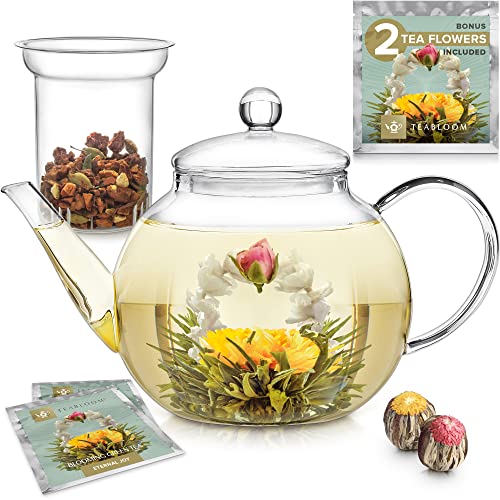
Teabloom Stovetop & Microwave Safe Glass Teapot with Removable Loose Tea Glass Infuser Includes 2 Blooming Teas 2-in-1 Tea Kettle and Tea Maker Tea Purist's Choice
Fact 6: Sea Salt Contains Microplastics from Coastal Pollution
Studies detect up to 600 particles per kilogram of commercial sea salt. Ocean evaporation concentrates microplastics from packaging waste, fishing gear, and urban runoff into salt-harvesting areas worldwide.
Eco swap: Buy mined rock salt or lab-tested sea salt from verified inland sources. Check product labels for third-party testing that confirms microplastic-free status.
Fact 7: Baby Bottles Can Release Millions of Particles per Liter
Trinity College Dublin research found polypropylene bottles shed 16 million microplastics per liter when heated to formula preparation temperatures. Infants consuming formula may ingest thousands of tiny plastic particles daily during critical developmental periods.
Eco swap: Use glass or silicone bottles and let boiled water cool before mixing formula. This protects developing gastrointestinal tract and reduces chemical exposure from heated plastic containers.
Fact 8: Food Storage Containers Leach Particles When Heated
Science Direct studies show polymer migration increases dramatically during microwave heating, especially from older or scratched plastic containers. Heat accelerates the breakdown of plastic into particles that migrate directly into food.
Eco swap: Store leftovers in glass containers and never microwave plastic. Transfer food to ceramic or glass dishes before reheating to eliminate plastic particle contamination.
Fact 9: Microplastics Are Found in Rain and Snow Worldwide
Atmospheric sampling in remote locations like the Pyrenees and Arctic revealed airborne microplastic fallout carried by wind and precipitation thousands of miles from urban sources. This demonstrates the global scale of plastic pollution and atmospheric transport.
Eco swap: Check out these eco-friendly laundry tips—line-dry clothes indoors when possible and choose natural fabrics that shed biodegradable fibers instead of persistent plastic particles into the environment.
Fact 10: Compostable Plastics Still Break Down into Microplastics
Environmental Science & Technology research found many “compostable” PLA and PHA plastics fragment under real-world conditions, creating the same micro-sized residue as traditional plastic when not processed in industrial composting facilities.
Eco swap: Prioritize reusable containers or paper-based packaging over compostable plastics. True compostables require specific conditions rarely available in home composting systems.
Health Impact Facts and Protective Solutions
Research reveals that microplastics accumulate throughout the human body, with health effects still being studied. Scientists have detected these particles in blood, organs, placenta, and breast milk, with a 97% contamination rate found in children aged 3-17 in recent German studies.
Body Burden: Where Microplastics Accumulate
Animal studies suggest microplastics can cross biological barriers and trigger inflammation, oxidative stress, and changes in gut microbiome. The particles’ large surface area allows them to absorb and transport heavy metals, persistent organic pollutants, and other harmful chemicals directly into body tissues.
Prevention strategies: Focus on reducing plastic food storage, choosing glass containers for all food contact, and filtering drinking water to minimize daily exposure during meals.
Comparison: High-Risk vs Low-Risk Daily Habits
Activity | High-Risk Choice | Low-Risk Alternative |
|---|---|---|
Food Storage | Microwaving plastic containers | Glass containers, ceramic heating |
Hydration | Bottled water, plastic cups | Filtered tap water, stainless steel bottles |
Clothing | Fast fashion synthetics | Natural fibers, quality cotton/wool |
Personal Care | Plastic microbeads, synthetic scrubs | Natural exfoliants, solid bar soaps |
Key insight: Prioritizing food and water changes provides the biggest reduction in microplastics exposure, since direct ingestion represents the highest-volume pathway into the human body.
Step-by-Step: 24-Hour Microplastic Reduction Plan
When to use this: Start immediately if you’re concerned about family exposure, especially for small children or during pregnancy.
- Morning: Replace plastic water bottles with stainless steel, avoid synthetic clothing when possible
- Kitchen: Remove plastic food storage, use wooden cutting boards, transfer snacks from plastic packaging to glass jars
- Laundry: Add microfiber-catching bag to synthetic loads, wash full loads in cold water
- Evening: Switch to natural fiber bedding, remove shoes indoors to reduce tracked particles
Transition: While these changes help immediately, addressing common obstacles ensures long-term success in reducing microplastic exposure.
Common Challenges and Practical Solutions
Many families feel overwhelmed when learning about microplastic contamination, but focusing on high-impact changes makes the process manageable and effective.
Challenge 1: “Everything Contains Plastic”
Solution: Apply the 80/20 rule—focus on the 20% of changes that eliminate 80% of exposure. Prioritize food storage, drinking water, and clothing since these represent the highest daily contact with microplastics.
Research shows that eliminating plastic food containers and switching to filtered tap water can reduce ingestion by over 60% immediately.
Challenge 2: “Eco Alternatives Are Too Expensive”
Solution: Implement a gradual replacement strategy starting with budget-friendly swaps. Mason jars cost less than $1 each and replace dozens of plastic containers. Stainless steel water bottles last for years, making them cheaper per use than bottled water.
Focus on items you use daily first—the cost per use becomes negligible when spread over months or years of regular use.
Challenge 3: “Kids’ Products All Contain Plastic”
Solution: Concentrate on feeding, clothing, and toy materials with the lowest particle shedding rates. Glass baby bottles, organic cotton clothing, and wooden toys eliminate the highest sources of microplastic exposure during critical developmental periods.
Many parents successfully transition by replacing one category at a time—feeding supplies first, then clothing, then toys—to spread costs and adjust gradually.
Transition: These practical solutions work because they address real barriers families face while maintaining focus on protecting health.
What You Can Do: Your Microplastic Action Plan
Small, consistent changes significantly reduce your family’s microplastic exposure without requiring perfection. Research shows that even modest adjustments in food storage and water consumption create measurable improvements in particle reduction.
To get started today:
- Replace one plastic item: Swap your water bottle for stainless steel or glass—this single change eliminates thousands of particles daily
- Download comprehensive guidance: Get the Breaking Up with Plastic eBook for room-by-room strategies and product recommendations tested by real families
- Implement kitchen changes: Audit your food storage this week and replace the most-used plastic containers with glass alternatives
Second week goals: Add microfiber-catching laundry bags and begin transitioning personal care products to plastic-free alternatives like bar soap and natural exfoliants.
Long-term vision: Create low-plastic household systems that protect health while often saving money through reusable, durable alternatives that eliminate recurring purchases of disposable plastic items.
Related Topics: Continue learning about sustainable living practices, non-toxic home setup strategies, and plastic-free shopping guides that support ongoing reduction efforts without overwhelming your routine.
Conclusion: Turning Microplastic Facts Into Everyday Action
Now that you know these facts about microplastics, it’s clear how deeply they’ve worked their way into our daily lives — from the air we breathe to the food we eat. The good news? Awareness leads to action.
Every time you choose plastic-free alternatives, wash clothes more sustainably, or refill instead of rebuy, you’re cutting down on microplastic pollution at its source. Small, consistent swaps really do add up.
If you’ve been wondering how to avoid microplastics without overhauling your life, start simple: filter your drinking water, switch to glass food storage, and skip disposable plastics whenever possible. These changes protect both your health and the planet’s ecosystems.
To go deeper, download my eBook Breaking Up with Plastic — it’s a practical roadmap to living with less plastic and more peace of mind. Together, we can turn awareness into impact and keep our homes, oceans, and air cleaner for the next generation.
🔗 Sources & Further Reading
All facts and data in this guide are based on peer-reviewed studies and reports from trusted organizations such as WWF, EPA, McGill University, and Trinity College Dublin.
- World Wildlife Fund (WWF) — No Plastic in Nature: Assessing Plastic Ingestion from Nature to People. (2019).
https://wwf.panda.org/discover/our_focus/oceans_practice/plastics/ - U.S. Environmental Protection Agency (EPA) — “What Is a HEPA Filter?” (Updated 2024).
https://www.epa.gov/indoor-air-quality-iaq/what-hepa-filter-1 - Science Advances — Brahney, J. et al. “Plastic Rain in Protected Areas of the United States.” Science Advances, Vol. 6 (36), 2020.
https://www.science.org/doi/10.1126/science.aaz5819 - Orb Media & SUNY Fredonia — Plus Plastic: Microplastics Found in Global Bottled Water (2018).
https://orbmedia.org/plus-plastic - McGill University — Hernandez, L. M. et al. “Plastic Teabags Release Billions of Microparticles and Nanoparticles into Tea.” Environmental Science & Technology, 2019.
https://www.mcgill.ca/newsroom/channels/news/plastic-teabags-release-billions-microplastics-nanoplastics-tea-301571 - Trinity College Dublin — Li, D. et al. “Microplastic Release from Infant Feeding Bottles.” Nature Food, 2020.
https://www.nature.com/articles/s43016-020-00171-y - FAO (Food and Agriculture Organization of the United Nations) — Microplastics in Fisheries and Aquaculture, FAO Technical Paper No. 615, 2017.
https://www.fao.org/3/i7677e/i7677e.pdf - Environmental Science & Technology — Haider, T. P. et al. “Plastics That Can Degrade in the Environment.” ACS Publications, 2019.
https://pubs.acs.org/doi/10.1021/acs.est.8b06379 - Environmental Research Letters — Bergmann, M. et al. “Microplastics in Arctic Snow.” Environmental Research Letters, 2019.
https://iopscience.iop.org/article/10.1088/1748-9326/ab2ab3 - National Geographic — Parker, L. “Microplastics Are Everywhere—And They’re Getting Inside You.” (2023).
https://www.nationalgeographic.com/environment/article/microplastics-are-everywhere
- About the Author
- Latest Posts
- How I Test and Recommend

Juliet is the creator of Living Wild & Green, where she researches and writes about eco-friendly living, sustainable fashion, and non-toxic home upgrades. Since 2020, she’s been curating science-backed, stylish sustainability tips and personally testing products to help thousands of readers cut through greenwashing and live greener with confidence.