
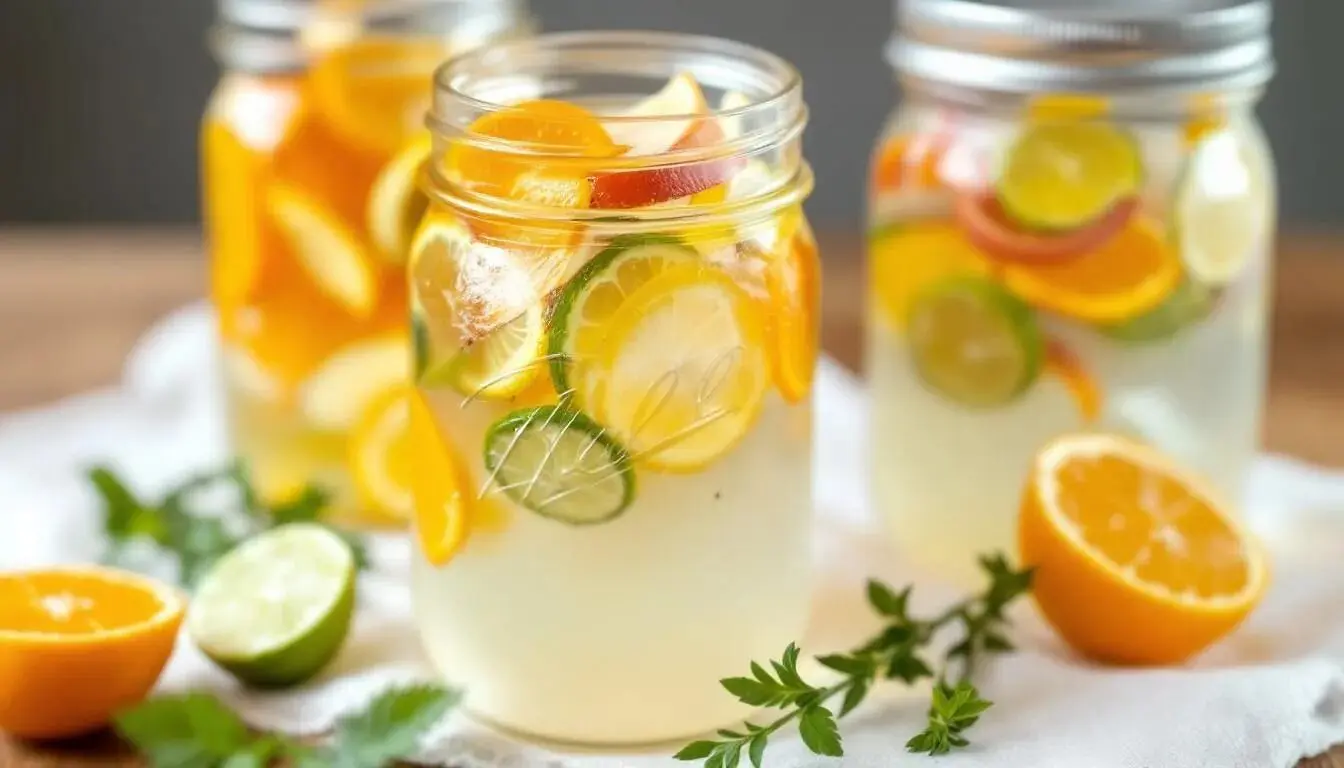
Every year, the average household discards pounds of citrus peels while spending hundreds of dollars on chemical-laden cleaning products. What if you could transform those orange rinds and lemon peels into a powerful, natural cleaning solution that outperforms many commercial cleaners? Citrus infused vinegar offers exactly this opportunity, turning kitchen waste into an effective, eco-friendly alternative that’s safer for your family and kinder to your wallet.
This comprehensive guide will walk you through everything you need to know about creating and using citrus infused vinegar. From the science behind its effectiveness to step-by-step recipes and room-by-room applications, you’ll discover how this simple solution can revolutionize your cleaning routine while reducing your environmental footprint.
What is Citrus Infused Vinegar and Why Use It
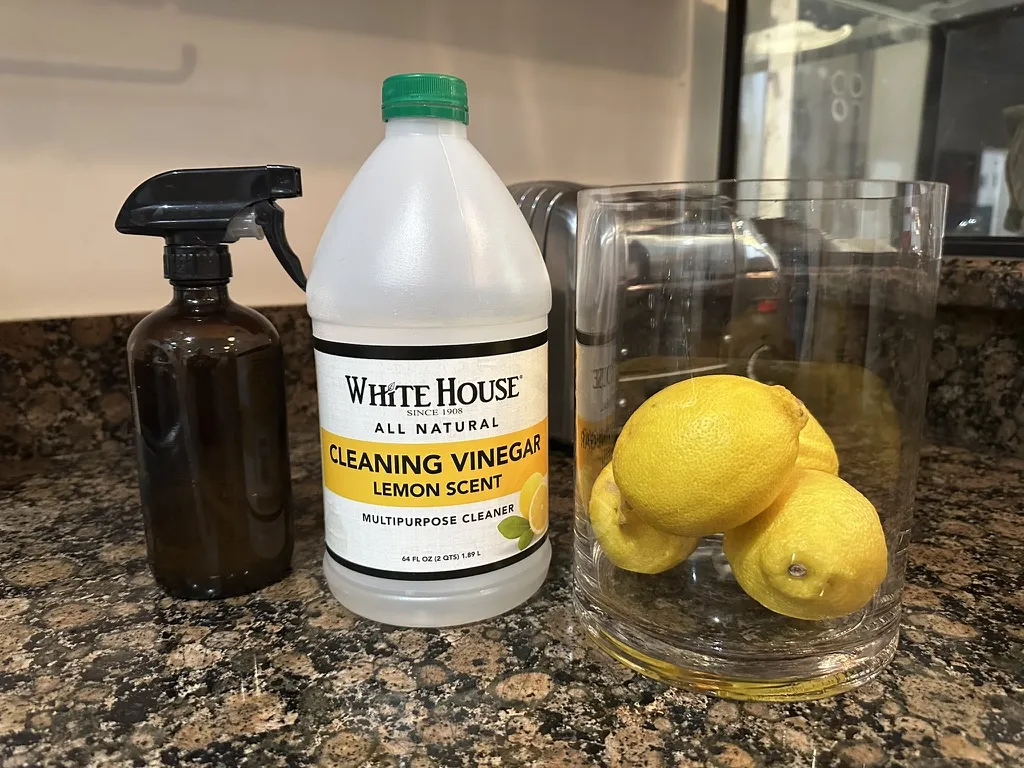
Citrus infused vinegar is distilled white vinegar that has been steeped with citrus peels from lemons, oranges, grapefruit, or lime. This process extracts essential oils and bioactive compounds from the peels, creating a cleaning solution that combines the natural acidity of vinegar with the degreasing power of citrus oils.
The magic lies in the science: citrus peels contain high concentrations of limonene, which can comprise up to 95% of orange peel oil. This natural compound acts as a powerful degreaser and antimicrobial agent. When combined with vinegar’s 5% acetic acid content, the result is a cleaner that can tackle grease, grime, and bacteria more effectively than either ingredient alone.
Benefits Over Regular Vinegar
While white vinegar alone is an effective cleaner, infused vinegar offers several distinct advantages:
- Enhanced cleaning power: The citrus oils provide additional degreasing capabilities, making it more effective on sticky residues and built-up grime
- Pleasant aroma: Instead of the sharp smell of plain vinegar, citrus infused versions leave behind a fresh, clean scent that naturally dissipates
- Natural antibacterial properties: The combination of acetic acid and citrus oils creates a more potent antimicrobial solution
- Improved surface compatibility: The oils can help reduce the harshness of straight vinegar on certain surfaces
Environmental and Economic Advantages
Creating your own infused cleaning vinegar supports a zero-waste lifestyle by repurposing food scraps that would otherwise end up in landfills. This approach eliminates the need for harsh chemical cleaners, reducing your household’s environmental impact and exposure to potentially harmful substances.
The cost-effectiveness is remarkable: a gallon of commercial all purpose cleaner can cost $8-15, while the same amount of citrus infused vinegar costs under $3 to make. Over a year, this translates to significant savings while providing a superior cleaning solution.
The safety benefits extend beyond environmental concerns. Unlike many commercial cleaners that require ventilation and pose risks if accidentally ingested, citrus infused vinegar is non-toxic and safe to use around children and pets. This peace of mind is invaluable for families seeking to reduce chemical exposure in their homes.
How to Make Citrus Infused Vinegar
Creating your own batch of citrus infused vinegar requires minimal materials and effort. The process is straightforward, but attention to timing and storage conditions ensures optimal results.
Materials Needed
- Large glass mason jar or glass jar with tight-fitting lid
- Distilled white vinegar (5% acidity)
- Fresh citrus peels from organic fruit (when possible)
- Fine mesh strainer or coffee filter
- Funnel
- Spray bottle for storage
- Labels for dating batches
Step-by-Step Process
- Prepare the citrus peels: Wash your citrus fruits thoroughly before peeling. Remove as much white pith as possible, as it can create bitterness in the final product. Cut larger peels into strips for better infusion.
- Fill the jar: Pack the glass jar about halfway with citrus peels. Don’t overpacked, as the peels need room to move and release their oils effectively.
- Add vinegar: Pour distilled white vinegar over the peels until they’re completely covered with about an inch of vinegar above the peel level. This prevents oxidation and ensures even extraction.
- Secure and shake: Tighten the lid firmly and shake the jar vigorously for 30 seconds to begin the extraction process.
- Store properly: Place the jar in a dark place away from direct sunlight. A pantry, cupboard, or basement works perfectly.
- Regular agitation: Shake the jar every few days to enhance the infusion process and prevent settling.
Infusion Timeframe and Potency
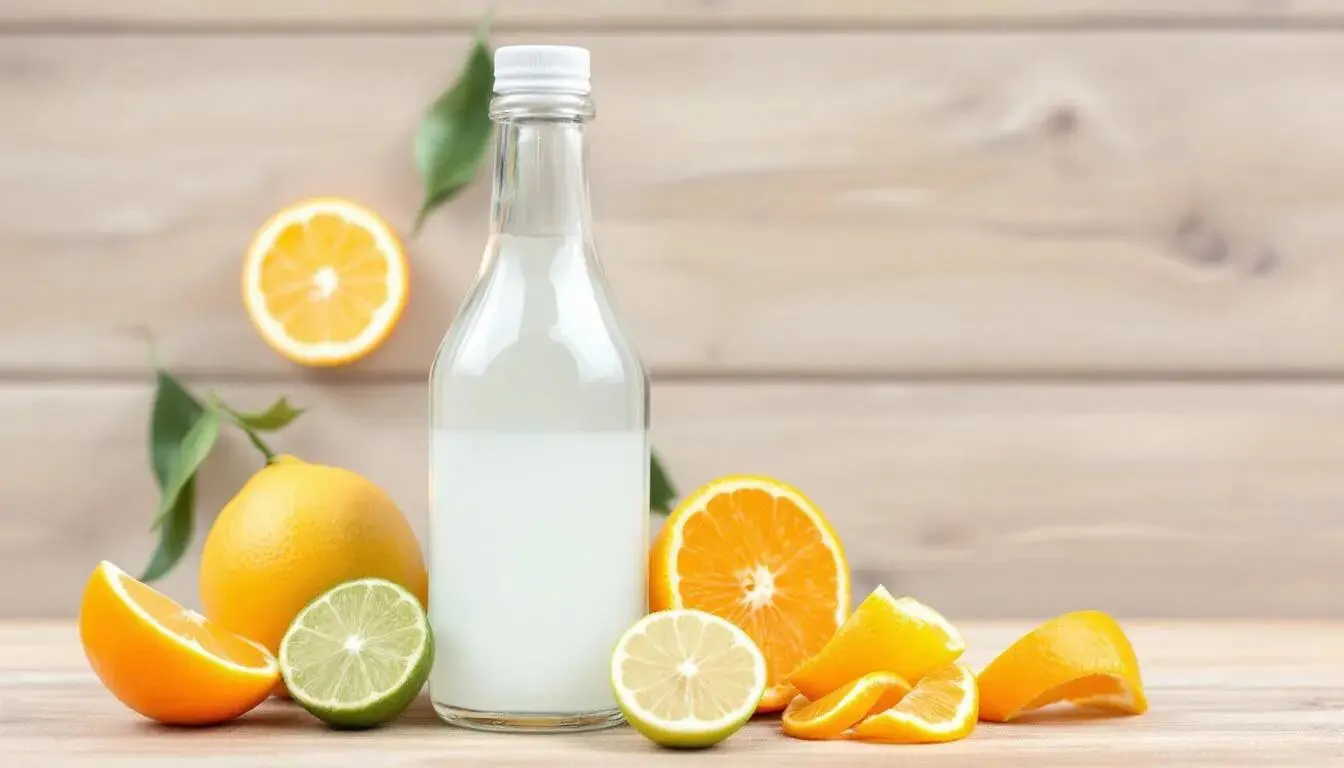
The minimum infusion time is 4-5 days, but for maximum potency, allow the mixture to sit for 2-4 weeks. Longer infusion periods extract more essential oils and create a more concentrated cleaning solution. The liquid will gradually take on the color of the citrus peels and develop a strong, pleasant aroma.
During the infusion period, you’ll notice the vinegar changing color and the peels becoming pale as their oils are extracted. This visual cue indicates the process is working effectively.
Straining and Bottling Process
Once your infusion period is complete, strain the mixture through a fine mesh strainer or coffee filter to remove all solid particles. Use a funnel to transfer the strained liquid into spray bottles for easy application.
For general cleaning, dilute the infused vinegar with 30-50% cooled boiled water. This dilution makes it gentler on surfaces while maintaining cleaning effectiveness. Store diluted solutions in clearly labeled spray bottles and use within 6 months for best results.
Best Citrus Types for Infusion
Different citrus varieties offer unique properties and infusion characteristics:
Lemon peels contain natural bleaching properties and are ideal for bathroom cleaning, especially for tackling mold and mildew. The high citric acid content makes lemon infused vinegar particularly effective for removing soap scum and hard water stains.
Orange peels provide the strongest degreasing power, making them perfect for kitchen applications. The high limonene content cuts through cooking grease and baked-on food residue with remarkable efficiency.
Grapefruit peels excel at removing soap scum and sticky residue. Their slightly bitter oils are particularly effective on bathroom surfaces and can help dissolve stubborn adhesive residues.
Lime peels offer quick infusion times and produce a bright, clean scent. They’re excellent for general cleaning purposes and work particularly well on glass surfaces.
Tangerine peels provide the fastest infusion time, often producing usable cleaner in under 24 hours. They create a strong, pleasant aroma that’s particularly appealing in living spaces.
Effective Uses for Citrus Infused Vinegar
The versatility of citrus infused vinegar makes it suitable for nearly every cleaning task in your home. Understanding the best applications and methods ensures maximum effectiveness while protecting your surfaces.
Kitchen Applications
The kitchen benefits tremendously from citrus infused vinegar’s degreasing properties:
Stovetops and oven doors: Spray the solution directly on greasy surfaces and let it sit for 10-15 minutes before wiping clean. The citrus oils break down cooking grease while the vinegar cuts through grime.
Microwave cleaning: Place a bowl of diluted citrus infused vinegar in the microwave and heat for 2 minutes. The steam loosens splatter and eliminates odors, making cleanup effortless.
Baking dishes and cookware: Soak dishes with baked-on food in a solution of equal parts infused vinegar and warm water. The combination dissolves stubborn residues without harsh scrubbing.
Stainless steel surfaces: The natural acidity removes water spots and fingerprints from appliances, leaving a streak-free shine.
Bathroom Cleaning Excellence
Bathrooms present unique cleaning challenges that citrus infused vinegar handles exceptionally well:
Shower tiles and bathtubs: Apply the solution generously and allow it to sit for 30-60 minutes before scrubbing. The acids dissolve soap scum and mineral deposits while the citrus oils tackle mold and mildew.
Toilet bowls: Pour undiluted infused vinegar around the rim and let it work for 15 minutes before scrubbing. The combination of acids effectively removes stains and eliminates odors.
Mirrors and glass shower doors: The streak-free cleaning power rivals commercial glass cleaners while leaving a fresh scent.
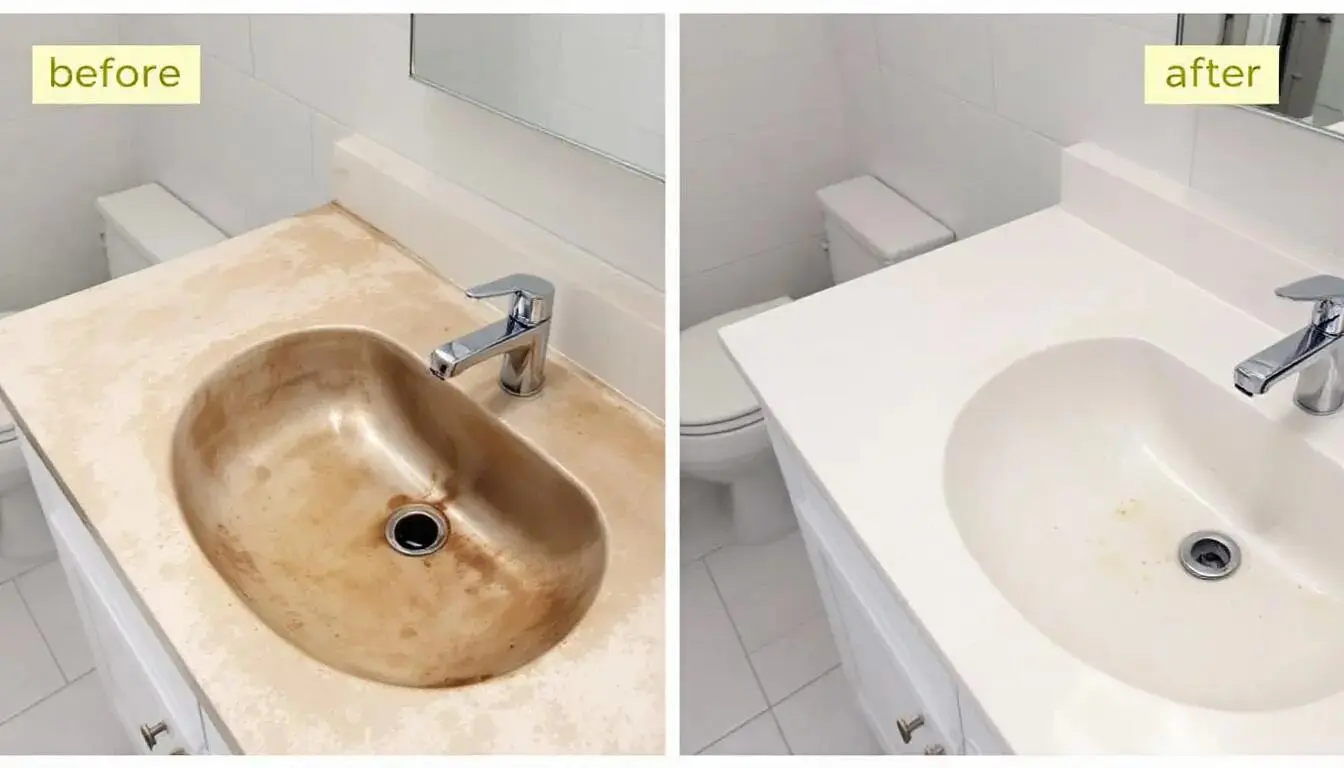
Bathroom sinks: Regular use prevents soap buildup and keeps drains flowing freely.
General Household Applications
Throughout your home, citrus infused vinegar proves its worth:
Windows and glass surfaces: Mix with equal parts water for streak-free cleaning that rivals professional window cleaners.
Countertops (except natural stone): Daily cleaning removes bacteria and leaves surfaces sanitized and fresh-smelling.
Floor cleaning: Add 1/2 cup to a gallon of water for mopping most floor types, leaving them clean and deodorized.
Sticky label removal: Apply directly to adhesive residue, let sit for 10 minutes, then scrape away easily.
Enhanced Cleaning Combinations
For tough cleaning jobs, combine your citrus infused vinegar with other natural ingredients:
- With baking soda: Create a paste for scrubbing power on tough stains and grime
- With salt: Mix for an abrasive cleaner perfect for cutting boards and stubborn surface stains
- With herbs: Add rosemary or thyme during infusion for additional antimicrobial properties
Safety Precautions and Best Practices
While citrus infused vinegar is significantly safer than commercial chemical cleaners, proper usage guidelines ensure both effectiveness and surface protection.
Surface Limitations and Precautions
Natural stone surfaces: Never use vinegar-based cleaners on marble, granite, travertine, or other natural stone. The acid can cause permanent etching and dulling of the surface.
Hardwood floors: Avoid using on wood surfaces, as the acidity can damage finishes and cause discoloration over time.
Rubber and vinyl: Extended contact can cause deterioration of rubber gaskets and vinyl surfaces.
Delicate fabrics: While safe for most cleaning tasks, test on inconspicuous areas of upholstery or carpets before full application.
Grout Cleaning Guidelines
When cleaning grout, use only lemon infused vinegar to prevent discoloration. Other citrus oils can sometimes stain light-colored grout. Always test on a small, hidden area first and rinse thoroughly after cleaning.
Patch Testing Recommendations
Before using citrus infused vinegar on any new surface, perform a patch test on an inconspicuous area. Wait 24 hours to ensure no adverse reactions occur. This practice is particularly important for painted surfaces, wallpaper, or antique finishes.
Garden and Plant Safety
While excellent for household cleaning, never use citrus infused vinegar around plants except for targeted weed control. The acidity can harm plant roots and soil pH balance. Keep spray bottles clearly labeled and store away from gardening supplies.
Storage and Shelf Life
Store your infused vinegar in glass containers away from direct sunlight and extreme temperatures. Properly stored, the cleaner maintains effectiveness for up to one year. Replace your supply if you notice any off odors, cloudiness, or mold growth.
Keep diluted solutions in the refrigerator if not used within a month, or add a few drops of essential oil to extend shelf life naturally.
Tips for Maximum Effectiveness
Optimizing your citrus infused vinegar production and usage ensures consistently superior cleaning results while maximizing your investment in time and materials.
Optimal Citrus Preparation
Choose organic citrus when possible to avoid pesticide residues that could affect the cleaning solution’s purity. Organic fruits also tend to have higher essential oil concentrations in their peels.
Use wrinkly, soft fruits that are past their prime for eating. These fruits often have peels with higher oil content and infuse more quickly than fresh, firm fruits. This approach maximizes waste reduction while creating superior cleaning solutions.
Proper peel preparation: Remove the white pith thoroughly, as it can create bitter compounds that don’t contribute to cleaning power. Cut peels into 1-2 inch strips to increase surface area for oil extraction.
Strategic Batch Management
Maintain separate batches for different cleaning purposes to prevent cross-contamination and optimize effectiveness:
- Kitchen batch: Use orange and lemon peels for maximum degreasing power
- Bathroom batch: Focus on lemon and grapefruit for mold and soap scum removal
- General cleaning batch: Mix various citrus types for all-purpose cleaning
This approach allows you to tailor each batch’s properties to specific cleaning challenges while maintaining multiple supplies.
Dilution Ratios for Different Applications
Understanding proper dilution ratios maximizes both effectiveness and surface safety:
- General cleaning: 30-50% water dilution for daily maintenance
- Heavy-duty cleaning: Use undiluted for tough grime and stains
- Delicate surfaces: 70% water dilution for painted surfaces and sensitive materials
- Glass cleaning: 50% water dilution for streak-free results
Continuous Production System
Establish a rotation system to ensure a constant supply of fresh cleaner:
- Start new batches every 2-3 weeks
- Replenish existing jars with fresh vinegar and peels as you strain completed batches
- Keep a next batch ready as your current supply runs low
- Date all containers to track infusion times and replacement schedules
Seasonal Variations and Enhancements
Take advantage of seasonal citrus availability and add complementary ingredients:
Winter months: Add rosemary or pine needles during infusion for additional antimicrobial properties and seasonal fragrance.
Spring cleaning: Include lavender or thyme for enhanced freshness and natural pest deterrent properties.
Summer freshness: Mix citrus types for complex, refreshing scents that combat humidity and stuffiness.
Year-round enhancement: Add a few drops of essential oils to finished batches for customized scent profiles and additional therapeutic benefits.
Citrus Type | Best Uses | Infusion Time | Special Properties |
|---|---|---|---|
Lemon | Bathroom, bleaching | 2-3 weeks | Natural bleaching agents |
Orange | Kitchen, degreasing | 3-4 weeks | Highest limonene content |
Grapefruit | Soap scum, adhesives | 2-3 weeks | Excellent for sticky residues |
Lime | General cleaning, glass | 1-2 weeks | Quick infusion, bright scent |
Tangerine | Quick batches | 24-48 hours | Fastest infusion time |
Quality Indicators and Troubleshooting
Monitor your batches for optimal quality:
- Color change: Good infusion shows gradual color development
- Aroma intensity: Strong citrus scent indicates successful extraction
- Peel appearance: Pale, spent peels show complete oil extraction
- Cloudiness: Some cloudiness is normal; excessive cloudiness may indicate contamination
If batches develop off odors, unusual colors, or visible mold, discard immediately and sanitize containers before starting fresh batches.
Conclusion
Citrus infused vinegar represents more than just another cleaning hack—it’s a practical solution that addresses multiple household concerns simultaneously. By transforming kitchen waste into an effective, natural cleaner, you’re reducing environmental impact while creating a safer home environment for your family.
The process requires minimal investment in time and materials, yet delivers cleaning power that rivals expensive commercial products. From cutting through kitchen grease to eliminating bathroom grime, this versatile solution proves that sometimes the simplest approaches are the most effective.
Start your journey toward chemical-free cleaning today by saving the peels from your next citrus fruits. Fill a glass jar with those orange rinds or lemon peels, cover with white vinegar, and place in a dark spot. In just a few weeks, you’ll have created a powerful cleaning solution that costs pennies to make and delivers professional-quality results throughout your home.
Your future self—and your family’s health—will thank you for making this simple switch to natural, effective cleaning that puts kitchen waste to work while keeping harmful chemicals out of your living space.
- About the Author
- Latest Posts
- How I Test and Recommend

Juliet is the creator of Living Wild & Green, where she researches and writes about eco-friendly living, sustainable fashion, and non-toxic home upgrades. Since 2020, she’s been curating science-backed, stylish sustainability tips and personally testing products to help thousands of readers cut through greenwashing and live greener with confidence.


1-3 months for a diluted solution (with water). Up to a year for vinegar only infused.
What is the shelf life of this spray?