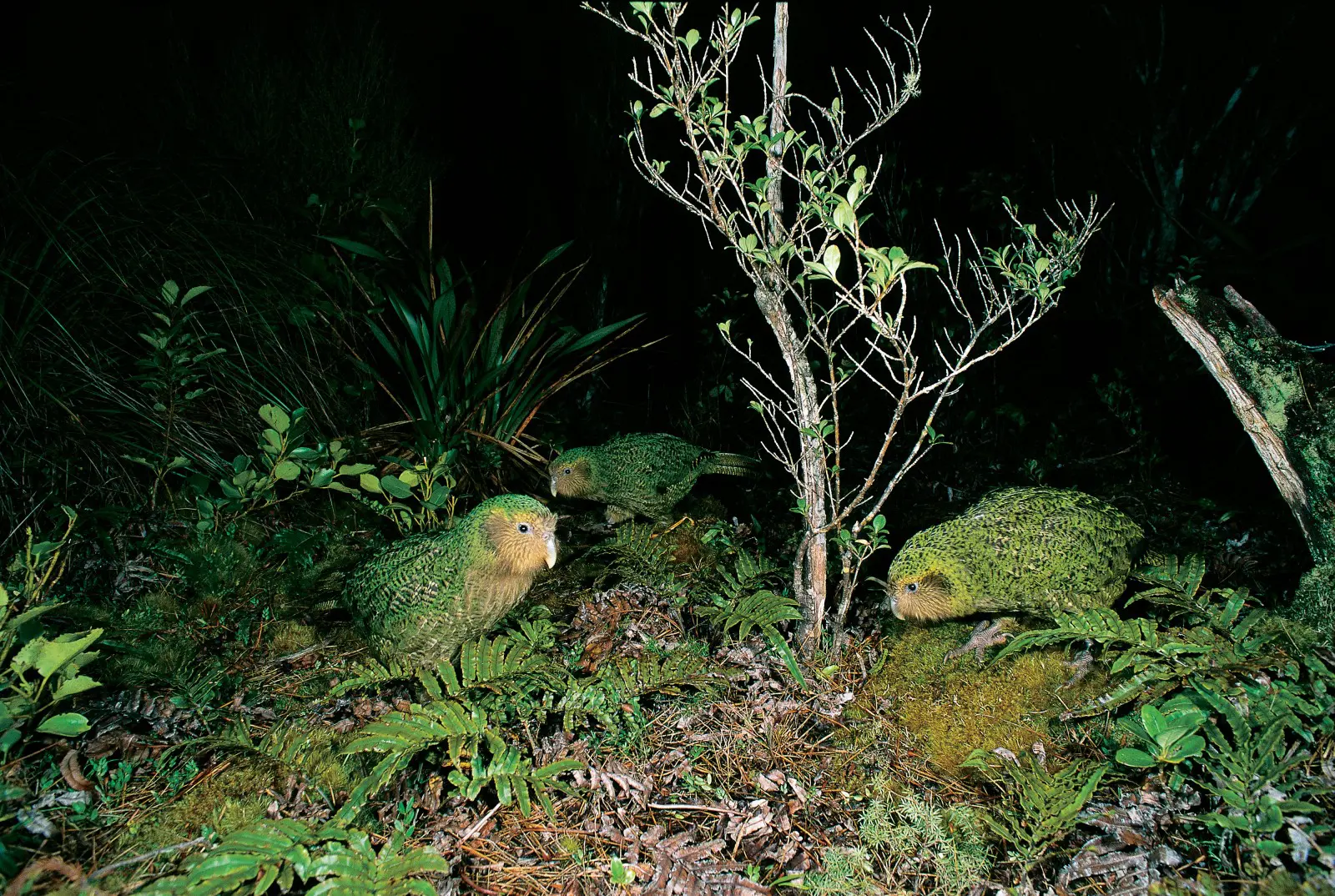
Welcome to the world of Kakapos, the flightless nocturnal parrots from New Zealand that have captured the hearts of bird lovers around the globe. These unique and fascinating birds are critically endangered, facing numerous threats to their survival. As such, conservation efforts are crucial to ensuring that these remarkable creatures continue to thrive for generations to come.
In this article, we’ll take a closer look at the natural habitat of Kakapos, their unique characteristics, and the challenges they face as an endangered species. We’ll also explore the various conservation efforts aimed at protecting them and the important role that avian conservation plays in preserving these flightless parrots.
Key Takeaways:
- Kakapos are flightless, nocturnal parrots that are native to New Zealand.
- These fascinating birds are critically endangered due to a combination of factors such as habitat loss, predation, and disease.
- Conservation efforts are crucial to protecting the remaining Kakapo populations and ensuring their long-term survival.
- Avian conservation plays a vital role in preserving endangered species like the Kakapo and maintaining the overall ecosystem.
- It’s important to raise awareness about the plight of endangered species and support ongoing conservation efforts to make a positive impact.

The Natural Habitat of Kakapos
Kakapos are native to the dense forests of New Zealand, where they have thrived for thousands of years. The bird’s natural habitat is characterized by rugged terrain, dense vegetation, and a cool and moist climate.
These flightless parrots are nocturnal, spending most of the day hiding in hollows and crevices in trees and emerging to forage for food at night. They are herbivorous, feeding on a variety of leaves, fruits, and seeds.
Unfortunately, the natural habitat of these unique birds has been under threat for decades, leading to a decline in their population. The loss of their habitat due to deforestation, predation by non-native animals, and other human activities has resulted in the endangerment of these precious species.
The Impact of Habitat Loss on Kakapo Population
The population of Kakapos has dramatically declined over the years due to habitat loss. In the 1970s, there were only 18 known individuals alive. Currently, there are only around 237 Kakapos still alive in the wild, with conservation efforts being made to ensure their survival.
| Year | Population |
|---|---|
| 1970s | 18 |
| 2025 | 237 |
Conservation efforts have focused on protecting the habitats of these birds, and have implemented strict measures to control the population of predators such as cats and rats.
New Zealand’s Conservation Efforts
New Zealand has taken significant measures to preserve the natural habitat and protect the endangered species of birds, including the Kakapo. The country has set aside large areas of land as protected conservation reserves, where the birds can thrive without interference from human activities. The government has also implemented strict laws and regulations to limit any commercial activities that could potentially harm the birds or their habitats.
The natural habitat of the Kakapos is an essential component of their survival and existence. Preservation of their habitat is a crucial step towards ensuring the long-term survival of these unique species. The conservation efforts implemented by New Zealand and other organizations provide hope for the future of these flightless parrots.
The Unique Characteristics of Kakapos

Kakapos are one of the most unique species of parrots in the world. What makes them stand out is their flightless and nocturnal nature, which has evolved to suit their specific environment and survival needs. Let’s take a closer look at these fascinating characteristics:
Flightless Parrots
Kakapos are the world’s only flightless parrots, making them truly one-of-a-kind. Their wings are small and underdeveloped, which is a result of millions of years of evolution on the ground. Instead of flying, they use their wings for balance and stability when climbing trees and walking on the forest floor.
This unique adaptation has given them some exceptional abilities. Kakapos are skilled climbers and can climb trees with ease. They can also launch themselves from trees and glide short distances, a technique known as ‘controlled falling.’
Nocturnal Parrots
Kakapos are also nocturnal, which means they are most active at night. This behavior has evolved as a way to avoid predators, as many of them are diurnal (active during the day). Being active at night also allows them to take advantage of the abundance of food sources available at that time, such as bark and fruits that have fallen from trees.
Kakapos’ nocturnal behavior is accompanied by some fascinating adaptations. Their eyes possess a highly sensitive visual system, allowing them to see in low light conditions. They also have an excellent sense of smell, which helps them locate food in the dark forest.
In conclusion, Kakapos are truly unique birds with some incredible adaptations that have helped them survive in their specific environment. Their flightlessness and nocturnal behavior have given them some remarkable abilities, making them one of the most fascinating species of parrots in the world.
The Endangered Status of Kakapos
Kakapos are critically endangered, with only 211 individuals remaining in the wild as of 2021. The population decline is due to several factors, including habitat destruction, the introduction of predators, and disease. Conservation efforts have been ongoing for decades, but the situation remains precarious.
The Challenges They Face
Kakapos face numerous challenges to their survival. Habitat destruction, both through deforestation and the introduction of non-native plants, has reduced their natural habitat and food sources. The introduction of predators such as stoats, rats, and cats has also had a devastating impact, with many Kakapos falling prey to these animals. In addition, disease has been a significant factor, with a respiratory infection contributing to a population decline in the 1990s.
Conservation Efforts
Despite these challenges, conservation efforts continue to be made to protect Kakapos. Breeding programs have been successful in increasing the population, with the current number of individuals being the highest it has been in decades. Efforts are also being made to protect their habitat, including predator control programs and reforestation initiatives.
The Kakapo Recovery Program, established in 1990, has been instrumental in the conservation efforts for these birds. The program is a collaboration between government agencies, NGOs, and researchers, working together to ensure the long-term survival of the species.
The Future of Kakapo Conservation
The future of Kakapo conservation remains uncertain, but ongoing efforts are focused on continuing to increase the population and protect their habitat. Research is being conducted to better understand their behavior and reproductive biology, in hopes of improving breeding programs. The success of the Kakapo Recovery Program provides hope that these efforts can be successful in the long term.
However, the continued introduction of non-native predators and disease remains a threat to their survival, highlighting the need for ongoing conservation efforts. It is important that we continue to support these efforts to ensure the survival of these unique and fascinating birds.
Conservation Efforts for Kakapos
Conservation efforts for endangered species like Kakapos are critical to their survival. With a population of only 213 individuals, every effort counts to ensure the long-term existence of these flightless parrots.
The conservation efforts for Kakapos are tireless and extensive. Government organizations, non-profits, and individual researchers have come together to protect this unique species.
One of the key conservation efforts is through the Kakapo Recovery program, which has been in operation since 1990. This program focuses on habitat restoration, predator control, and breeding programs to increase the population of Kakapos.
The program has been successful in increasing the number of Kakapos from 50 to 213 individuals, but there is still a long way to go to reach a sustainable population. Another significant conservation effort is through the Department of Conservation’s Kakapo 125 project, which aims to have 125 breeding females by 2025.
Researchers continue to work tirelessly to understand the behavior and needs of Kakapos to inform conservation efforts. Studies have shown that supplementary feeding, nest protection, and habitat restoration are crucial to the survival of these birds.
Table: Conservation Efforts for Kakapos
| Conservation Efforts | Description |
|---|---|
| Kakapo Recovery | Focuses on habitat restoration, predator control, and breeding programs |
| Kakapo 125 | Aims to have 125 breeding females by 2025 |
| Supplementary Feeding | Provides additional food sources to support Kakapo population |
| Nest Protection | Protects Kakapo nests from predators |
| Habitat Restoration | Efforts to restore natural habitat for Kakapos |
Conservation efforts for Kakapos are ongoing and require the support of individuals and organizations. With continued efforts, we can ensure the survival of these fascinating New Zealand birds for generations to come.
The Role of Avian Conservation in Kakapo Preservation
Avian conservation plays a vital role in the preservation of highly endangered species like the Kakapo parrot. As one of the world’s most unique flightless parrots, the Kakapo has faced a significant population decline caused by habitat loss, predation, and disease.
In response, avian conservationists have implemented various conservation efforts to protect these endangered New Zealand birds. These efforts range from direct intervention, such as captive breeding programs, to habitat conservation initiatives. By protecting the natural habitat of these birds, conservationists aim to mitigate the negative impact humans have had on their population.
One of the most successful avian conservation efforts for the Kakapo was the implementation of a breeding program that helped to stabilize their population. With only 51 individuals left in 1995, the program increased their population to over 200 individuals by 2018. This impressive success is a result of the collaborative work of organizations like the New Zealand Department of Conservation, scientists, and volunteers who came together to ensure the survival of these endangered birds.
| Conservation Efforts | Impact on the Kakapo Population |
|---|---|
| Captive Breeding Programs | Stabilized the population and helped increase it from 51 individuals in 1995 to over 200 in 2018 |
| Habitat Conservation | Preserved the natural habitat of the Kakapo parrot from degradation caused by human activities |
| Predator Control | Reduced the impact of introduced predators like rats and stoats on the Kakapo population |
While conservation efforts have been successful in increasing their population, the Kakapo parrot remains a critically endangered species. Thus, the efforts to protect them must continue. The conservation initiatives for the Kakapo parrot also serve as an example of how endangered species can be protected through collective effort.
Avian conservationists and researchers aim to use the lessons learned from the Kakapo conservation program to develop conservation strategies for other endangered species. With the continued dedication and hard work of these individuals, we can ensure that the unique species of New Zealand and the world as a whole are protected for generations to come.
The Fascinating History of Kakapos
Kakapos, also known as owl parrots, are fascinating flightless parrots that are native to New Zealand. These birds have a unique history that has shaped their evolution and contributed to their current endangered status.
The first recorded sighting of a Kakapo was by European explorers in the late 18th century. However, these birds have been a part of New Zealand’s ecosystem for millions of years. Fossil evidence suggests that they were once widespread across the country, but their population declined as a result of human activities and the introduction of predators.
Kakapos were once hunted by the Māori, indigenous people of New Zealand, as a source of food and for their feathers. Later, European settlers introduced predators such as rats, stoats, and cats, which preyed on these flightless birds with ease. As a result, their population declined rapidly, and they were classified as critically endangered in the 1990s.
The Role of Māori Culture in Kakapo History
Kakapos have played a significant role in Māori culture for centuries. These birds were revered as guardians and protectors, and their feathers were used in ceremonial dress and adornments. The Māori also believed that the Kakapo had special powers, and their calls were thought to be messages from the spirits.
Today, there are ongoing efforts to engage with Māori communities in the conservation of these birds. The Māori have a deep connection to the land and its wildlife, and their knowledge and expertise can be valuable in preserving the natural habitat of the Kakapos.
The Future of Kakapo Conservation
The future of Kakapo conservation is uncertain, but there is hope for these fascinating birds. Over the years, conservation efforts have been undertaken to protect the remaining population, including establishing sanctuaries free of predators, captive breeding programs, and supplementary feeding. These programs have had some success in increasing the number of Kakapos in the wild, but more needs to be done to ensure their survival.
Researchers and scientists continue to work on innovative ways to protect the Kakapos, including using new technologies to track their movements and behavior. The public can also play a role in supporting conservation efforts by donating to organizations that work to protect these fascinating flightless parrots.
The Future of Kakapo Conservation
Conservation efforts for Kakapos have made significant strides in recent years, but there is still much work to be done to ensure their long-term survival. The critically endangered status of these flightless parrots requires continued attention and dedication from organizations, experts, and individuals alike.
One of the key challenges in Kakapo conservation is their low breeding rate, with females only able to produce offspring every two to four years. To combat this, breeding programs have been implemented to increase the population and genetic diversity of the species. These programs have shown promising results, with the number of Kakapos increasing from just 51 individuals in 1995 to over 200 in 2021.
In addition to breeding programs, conservation efforts are focused on preserving the natural habitat of Kakapos. This includes protecting the wild forests of New Zealand in which they live and addressing the factors contributing to their population decline, such as the presence of predators like rats and stoats. Collaborative efforts between organizations, government agencies, and individual volunteers are crucial for effective conservation.
The future of Kakapo conservation will depend on continued dedication to research, education, and preservation efforts. Ongoing studies are providing valuable insights into the behavior and needs of these unique birds, while public awareness and support are crucial for securing funding and resources for conservation initiatives.
Protecting Kakapos is not only important for preserving this fascinating species but also for maintaining the delicate balance of the ecosystem as a whole. As a critically endangered species, they serve as a powerful reminder of the need to prioritize conservation efforts for all endangered species and the habitats in which they live.
Conclusion
In conclusion, the Kakapo is a truly fascinating bird species. As an endangered species, they require conservation efforts to ensure their survival. Through collaborative work and breeding programs, there is hope for the population to recover. However, their continued existence depends on ongoing conservation efforts.
It is important to recognize the broader impact of avian conservation on the preservation of our ecosystems. Every effort made towards protecting endangered species such as the Kakapo contributes to maintaining the balance of our natural world.
We encourage readers to support conservation efforts aimed at protecting Kakapos and other endangered species. Together, we can make a difference in securing the future of these remarkable birds.
FAQ
What are Kakapos?
Kakapos are flightless parrots native to New Zealand. They are known for their unique characteristics and endangered status.
Where do Kakapos live?
Kakapos live in the wild forests of New Zealand. Their natural habitat is crucial for their survival and conservation efforts.
Why are Kakapos endangered?
Kakapos are critically endangered due to population decline caused by various factors. Habitat loss and predation have led to their endangered status.
What makes Kakapos unique?
Kakapos are unique because they are flightless parrots and they are nocturnal. These traits have evolved to suit their specific environment and survival needs.
What conservation efforts are being made for Kakapos?
Various conservation efforts are being made to protect Kakapos. These include preserving their natural habitat, implementing breeding programs, and collaborative work by organizations and researchers.
Why is avian conservation important for Kakapos?
Avian conservation is important for Kakapos because it plays a crucial role in their preservation. Protecting endangered species like Kakapos contributes to maintaining the overall ecosystem.
What is the history of Kakapos?
Kakapos have a fascinating history, including their evolutionary origins and the impact of human interactions on their population decline. They hold significance in indigenous cultures and are valued as a unique species.
What does the future hold for Kakapo conservation?
The future of Kakapo conservation depends on ongoing research and initiatives aimed at their long-term survival. The challenges they face will require continuous efforts to ensure their continued existence.
- About the Author
- Latest Posts
- How I Test and Recommend

Juliet is the creator of Living Wild & Green, where she researches and writes about eco-friendly living, sustainable fashion, and non-toxic home upgrades. Since 2020, she’s been curating science-backed, stylish sustainability tips and personally testing products to help thousands of readers cut through greenwashing and live greener with confidence.