
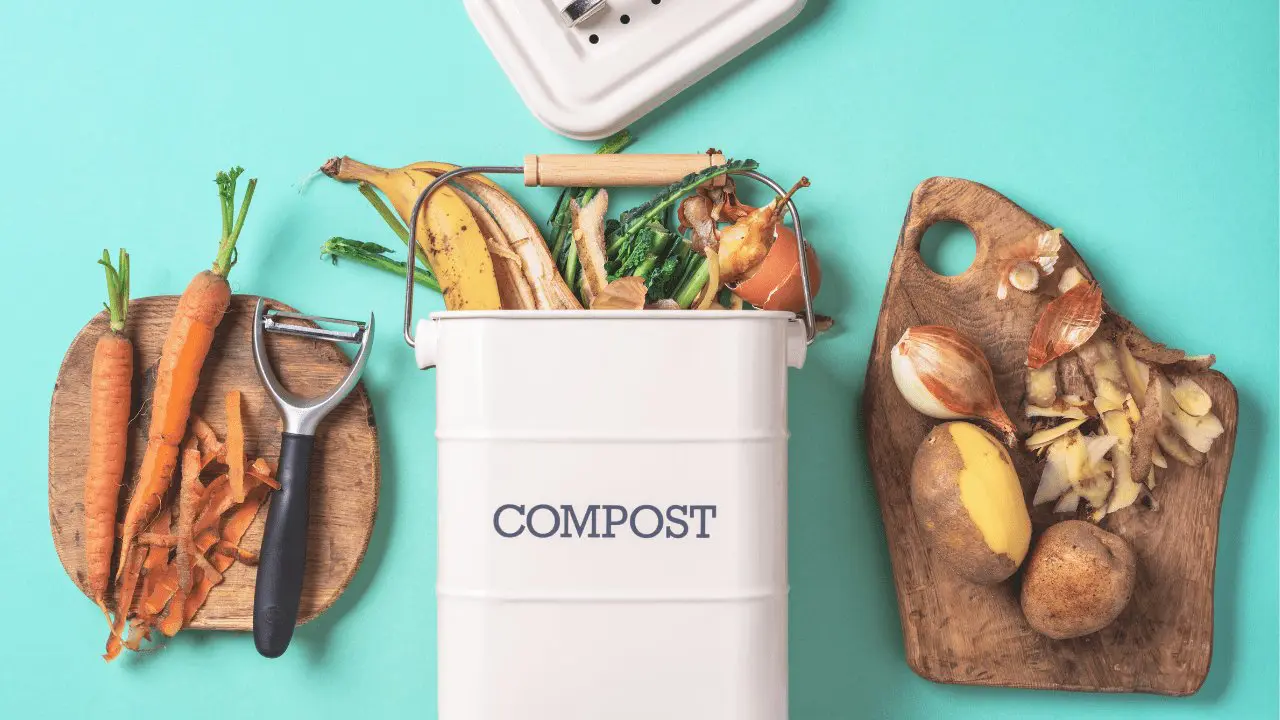
Want to learn how to use a compost bin in your kitchen? Composting reduces waste and helps the planet. This guide shows you how to use compost bins in the kitchen effectively. Keep reading for easy steps!
Key Takeaways
Composting reduces kitchen waste and helps plants grow by turning food scraps into rich soil.
You can choose from many types of compost bins like countertop, under-sink, or freezer bins to fit your kitchen space.
Put fruit peels, coffee grounds, and vegetable bits in your compost bin but keep out meat, dairy, and greasy foods to avoid bad smells.
To manage smells and moisture in the bin, mix green waste like food scraps with brown waste such as dry leaves.
Use finished compost to feed garden beds or share with neighbors for healthier plant growth.
The Basics of Kitchen Composting

Kitchen composting turns food leftovers into plant food. It’s easy and helps the planet.
Advantages of Kitchen Compost
Kitchen compost turns food scraps into rich soil. It helps plants grow. Recycling food scraps through composting cuts down on trash in landfills by 28%. This also lowers harmful gas, like methane, by up to 84%.
Using a countertop compost bin is an easy way to start.
This process saves space in landfills and fights climate change. Next, we’ll explore common myths about composting.
Common Myths About Composting
Many people think composting smells bad. Compost piles can produce unpleasant odors if not maintained properly, highlighting the importance of balance and aeration. This is not true. If you do it right, there won’t be any bad smells. Some say composting needs a lot of space. Wrong again! You can even do it in small places like apartments using bins designed for tight spaces.
Composting isn’t just for those with big yards.
Others believe that composting takes too much time and effort. Actually, once your bin is set up, maintaining it doesn’t take much work at all.
Now let’s pick the right compost bin for your kitchen.
Choosing the Right Compost Bin for Your Kitchen
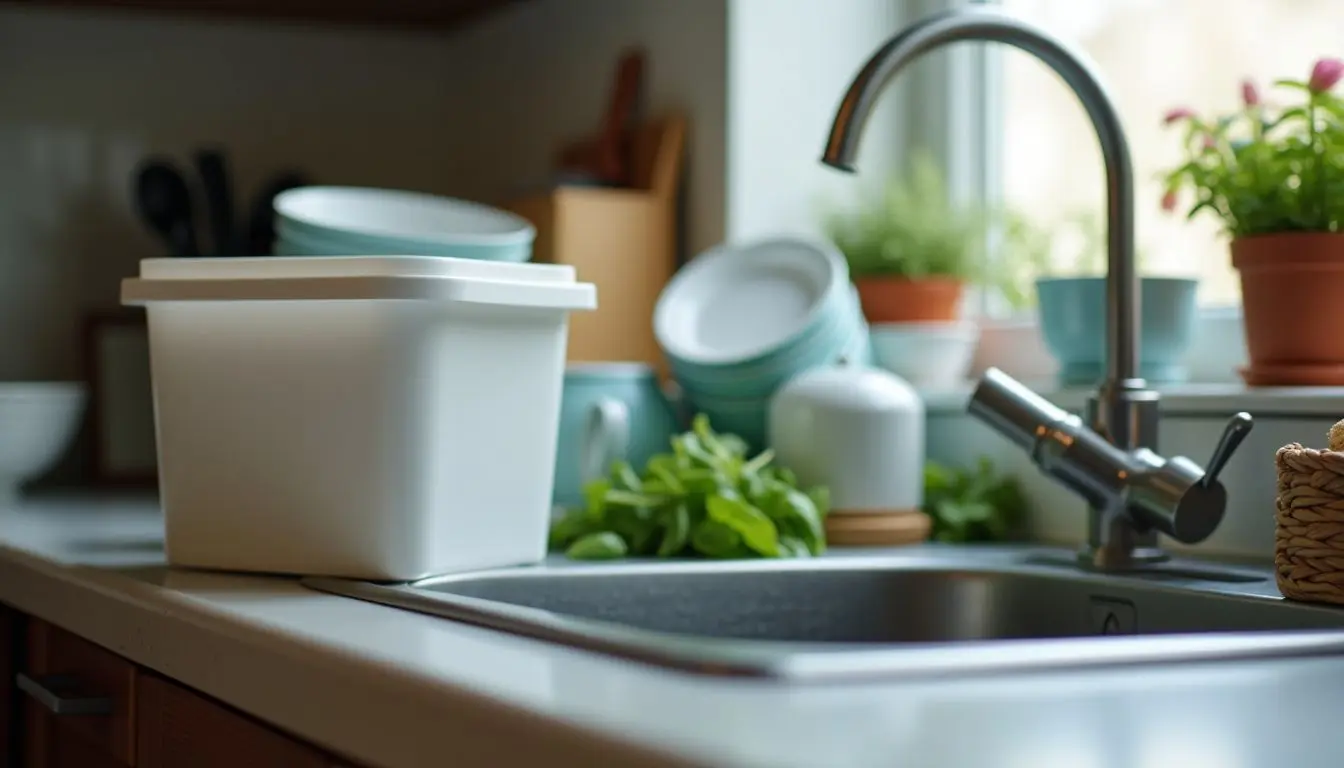
Picking the right compost holder for your kitchen starts with understanding your space and needs. Whether you have a tiny apartment or a big house, there’s a perfect option out there—like small countertop models, hidden under-sink versions, or even ones that fit in your freezer.
Options for Countertop Compost Bins
Countertop compost bins make it easy to collect food scraps. They keep your kitchen clean and help the earth. Here are some types you might like:
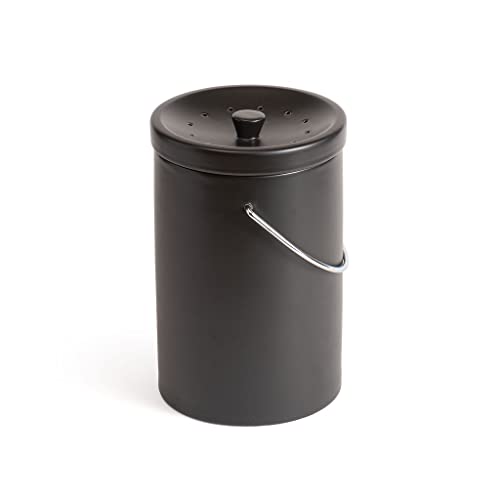
Stainless Steel Bins: These bins are tough and resist odors. Their tight lids stop smells and bugs from getting out.
Ceramic Compost Pots: They look nice on your counter with many designs to choose from. Like stainless steel, they also have tight-fitting lids.
Plastic Compost Bins: These are light and easy to handle. Some are made of recycled materials, making them a green choice.
Electric Composters: These speed up composting using electricity. They can turn scraps into compost in just a few hours.
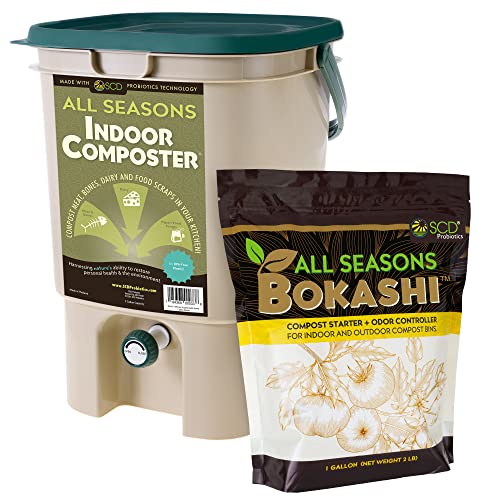
Bokashi Bins: This method uses a mix to ferment kitchen waste, including meat and dairy, which usually can’t go in regular compost.
Each type has its own benefits for different kinds of kitchens and lifestyles. Choose one that fits your needs best to start turning food scraps into valuable compost right on your countertop.
Here are some great finds on Amazon:
| Product Image | Product Name / Price | Primary Button |
|---|---|---|
|
|
||
|
|
||
|
|
||
|
|
||
|
|
||
|
|
||
|
|



Varieties of Under-Sink Compost Bins
Under-sink bins are great for saving space in the kitchen. They let you hide away food scraps until it’s time to take them outside. Here are some types you can find:
Enclosed bins fit nicely under the sink, keeping smells and pests out. They’re easy to open and close.
Worm bins use worms to break down waste fast. They can handle half a pound of waste daily.
Pull-out bins attach inside a cabinet door, making them easy to access while keeping them out of sight.
Door-mounted bins hang on the cabinet door for easy scrap disposal without bending over.
Stackable bins save space and allow for sorting different types of compost materials.
Each type helps turn kitchen waste into useful compost without taking up too much room or being an eyesore.
Next, let’s talk about how to get your compost bin ready for use.
Using Freezer Compost Bins
Freezer compost bins make it easy to start with kitchen composting, even if you live in an apartment. Simply store your food scraps in the freezer using biodegradable bags. This method helps cut down on smells and keeps pests away.
When the bag is full, take it out and add it to your outdoor bin or drop-off site. Alternatively, you can add the contents to an outdoor compost pile, which can be created either in a dedicated bin or directly on the ground.
Freeze and Dispose makes composting simple—no odors, no pests.
Setting Up Your Kitchen Compost Bin
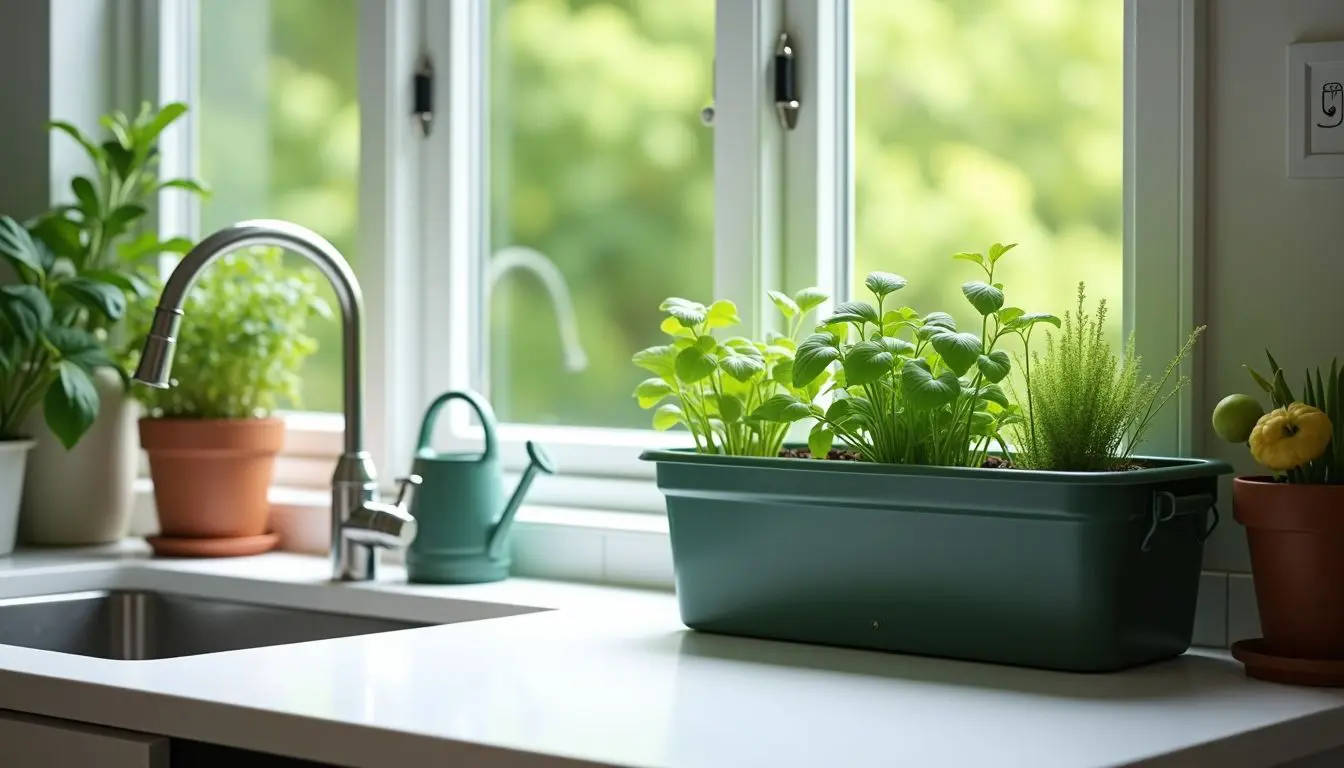
Choosing where to put your compost container is key. Get it ready by making sure it’s clean and in the right spot for easy use.
Finding the Ideal Location
Pick a spot in your kitchen for the compost bin. Make sure it is easy to get to. Keep it away from places that get hot, like stoves. This helps stop bad smells. A good place can be under the sink or on the countertop if there’s room.
This makes throwing food scraps in easy when cooking or cleaning up after meals.
Preparing Your Compost Bin
Getting your compost bin ready is easy. You just need to set it up right for the best results.
Choose a bin size that fits your kitchen space. Countertop bins are great for small spaces, while larger bins work well under the sink or in the pantry.
Layer the bottom of your bin with brown waste like dry leaves or shredded paper. This helps absorb moisture and odors.
Add green waste on top of the brown layer. This can include fruit and vegetable scraps, coffee grounds, and plant clippings. Grass clippings can also be added to the green waste layer.
Mix some soil into your compost as you add new layers of scraps. Soil speeds up the decomposition process by adding microbes.
Make sure your bin has holes for air flow if it’s not an electric composter. Oxygen is important for breaking down waste without bad smells.
Keep a balance between wet and dry materials to avoid too much moisture or smell.
Turn your compost once a week to mix everything and help it break down faster.
Next, figure out what you can put in your compost bin to get started right away.
Items You Can Compost
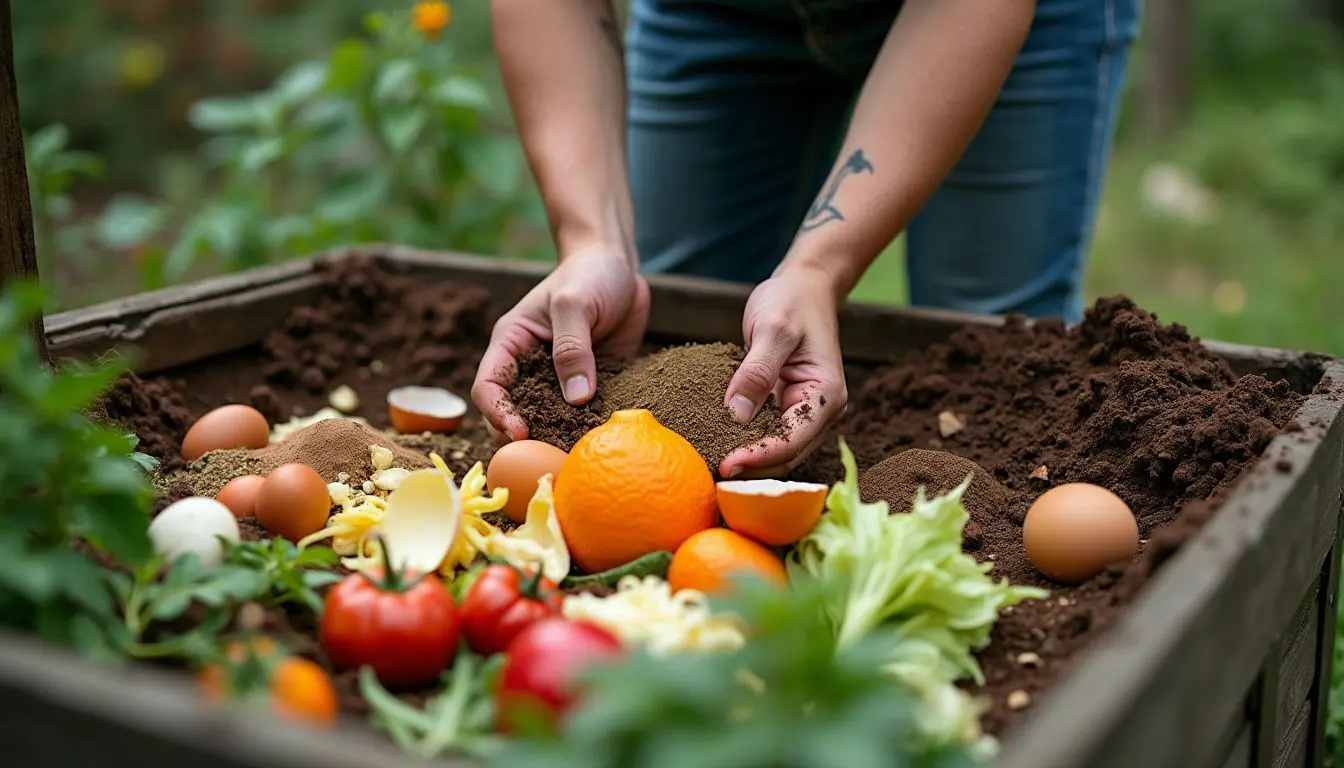
Your kitchen scraps and leftover greens can turn into gold for your garden. Throw in fruit peels, vegetable bits, coffee grounds, and eggshells to get started. Yard waste like leaves and small branches can also be composted.
Recommended Food Scraps
Composting turns kitchen waste into nutrient-rich soil. It’s easy to start with fruits and vegetables, coffee grounds, and eggshells. Here are items you can compost:
Apple cores and banana peels add nutrients back into the garden soil.
Coffee grounds enrich compost with nitrogen, making it great for plant growth.
Eggshells provide calcium to compost, helping plants build strong cell walls.
Vegetable scraps from carrots, potatoes, and lettuce decompose quickly.
Fruit scraps like strawberry tops and orange peels break down well.
Tea bags without plastic add variety to your compost pile.
Rice and pasta can be composted as long as they’re not coated in oil or butter.
Bread pieces introduce yeast and microbes, speeding up decomposition.
Corn cobs and husks break down over time, adding structure to the compost.
Each of these items helps create a balanced mix for your compost bin, turning food waste into garden gold without attracting pests or causing odors. These food scraps can also be added to a compost heap to recycle organic materials, especially during colder months.
Additional Compostable Kitchen Items
Your kitchen compost bin loves more than just food scraps. Here are items you can add to make rich soil for your garden.
Coffee filters and tea bags – Just make sure they don’t have any plastic parts.
Cardboard rolls from paper towels – Tear them into smaller pieces to help them break down faster.
Brown paper bags – Cut or shred them into the bin as a source of carbon.
Old newspapers – Rip them up to add bulk and soak up moisture.
Egg cartons made of cardboard – Break these down into small chunks.
Dead houseplants – They add green matter, but remove any stones or non-compostable parts first.
Natural corks from wine bottles – Chop them up to speed up composting.
Hair and fur – Sweep it off the floor and toss it in; it’s a good nitrogen source.
Stale bread, crackers, and cereal – Avoid moldy ones to keep pests away.
Used napkins and paper towels – Unless they cleaned up chemicals or oils, they’re good to go.
Adding these items helps reduce waste and turns unwanted trash into treasure for your plants.
Items to Exclude from Your Compost
Some things don’t belong in your compost bin. Meats, dairy, and greasy foods can cause bad smells and attract pests—keep them out.
Avoid These in Your Compost Bin
Your compost bin is a great way to turn kitchen waste into food for your garden. But not everything belongs in there. Here are things you should keep out:
Meat scraps – They attract pests and smell bad.
Dairy products – Like meat, they can bring pests and create odor problems.
Greasy foods – These do not break down well and can upset the balance of your compost.
Dog waste – Needs its own special bin because it can have harmful germs.
Cooked food – It might have oils or ingredients that slow down composting.
Diseased plants – They can spread sickness to your garden soil.
Citrus peels and onions – Might be too acidic and harm the worms that help with composting.
Keeping these items out of your bin helps make sure your compost works well and is good for the garden.
Tips for Managing Your Kitchen Compost Bin
Keeping your kitchen compost bin in top shape is simple. Use a lid to stop smells, and stir the contents often to keep them breaking down well.
How to Control Odors
To keep your kitchen smelling fresh, balance what you put in the compost bin. Mix green items like vegetable scraps with brown items such as leaves. This mix helps reduce bad smells.
Make sure the lid fits tight on the bin to trap odors inside.
Also, don’t add dairy or meat; they make odors worse. Every few weeks, clean the bin with soap and water to stop smells from building up. These steps will help control odors in your compost bin effectively.
How to Maintain Proper Moisture Levels
Controlling odors leads us to the next important step—keeping your compost bin’s moisture just right. A balanced mix of brown and green waste helps here. Brown waste, like dry leaves or shredded paper, sucks up extra water.
Green waste, from food scraps and coffee grounds, adds needed moisture. Too much water makes it smelly and slow to break down.
Balance is key in composting: not too wet, not too dry.
Keep your compost happy by adding equal parts of green and brown materials. If it feels too wet, toss in more browns; if too dry, add more greens. This simple rule keeps things moist but not soggy—the perfect spot for making good compost fast.
Utilizing Your Compost
Your fresh compost is ready to use. Add it to your garden beds and potted plants to help them grow strong and healthy.
Enhancing Your Garden with Compost
Compost turns kitchen waste into rich food for plants. It feeds gardens better than chemicals. Mix compost into soil to help vegetables and flowers grow strong and healthy. Families, community gardens, and local governments all use it to make soil richer. Backyard composting is an ideal solution for those with outdoor space, allowing them to create nutrient-rich soil amendments at no cost.
This method works even in winter, keeping soil good all year. Next, explore how you can use compost beyond the garden.
Alternative Uses for Your Compost
After enriching your garden, you can do more with compost. You might have extra. Share it with neighbors or local community gardens. Some people use HomeBiogas systems. These turn waste into biogas and fertilizer at home.
Your plants love compost, but so do others in the area. Sharing helps everyone grow greener spaces. If you like tech, consider a HomeBiogas system for energy from waste.
Conclusion
Utilizing a compost bin in your kitchen aids the Earth. It transforms food leftovers into fertile soil for gardens. Various bins are at your disposal, select one that complements your area.
Keep in mind, refrain from disposing of all kitchen waste in the bin—excluding dairy or meat. Prevent pests by securing a tight lid. Employ your compost to cultivate plants or distribute it to others who engage in gardening.
Composting is straightforward and reduces garbage for landfills. Initiate now and observe how minor actions can yield significant transformations.
FAQs
1. What is a compost bin and how does it work in the kitchen?
A compost bin is a container used to store food scraps and other organic waste that decomposes over time, turning into nutrient-rich soil amendment known as compost.
2. How do I get started with kitchen composting?
To start composting in your kitchen, you need a countertop or under-sink bin where you can collect food scraps like vegetable peels, coffee grounds, eggshells etc. When full, transfer these to an outdoor bin or tumbler for further decomposition.
3. Is there any odor from using a compost bin in my kitchen?
If managed correctly by maintaining a good mix of materials and regularly aerating the contents, your indoor composting system should not produce smelly odors.
4. Can I use worm composting in my small apartment’s kitchen?
Yes! Worms speed up decomposition process making them great for indoor systems like vermicomposting – this method uses earthworms to consume food wastes producing worm castings which enriches the soil even more.
5. Are there benefits to using a countertop or under-sink composter instead of throwing out my food waste?
Absolutely! Composting reduces greenhouse gas emissions since less waste ends up in landfills creating methane – plus your plants will love the nourishing homemade fertilizer!
- About the Author
- Latest Posts
- How I Test and Recommend

Juliet is the creator of Living Wild & Green, where she researches and writes about eco-friendly living, sustainable fashion, and non-toxic home upgrades. Since 2020, she’s been curating science-backed, stylish sustainability tips and personally testing products to help thousands of readers cut through greenwashing and live greener with confidence.
