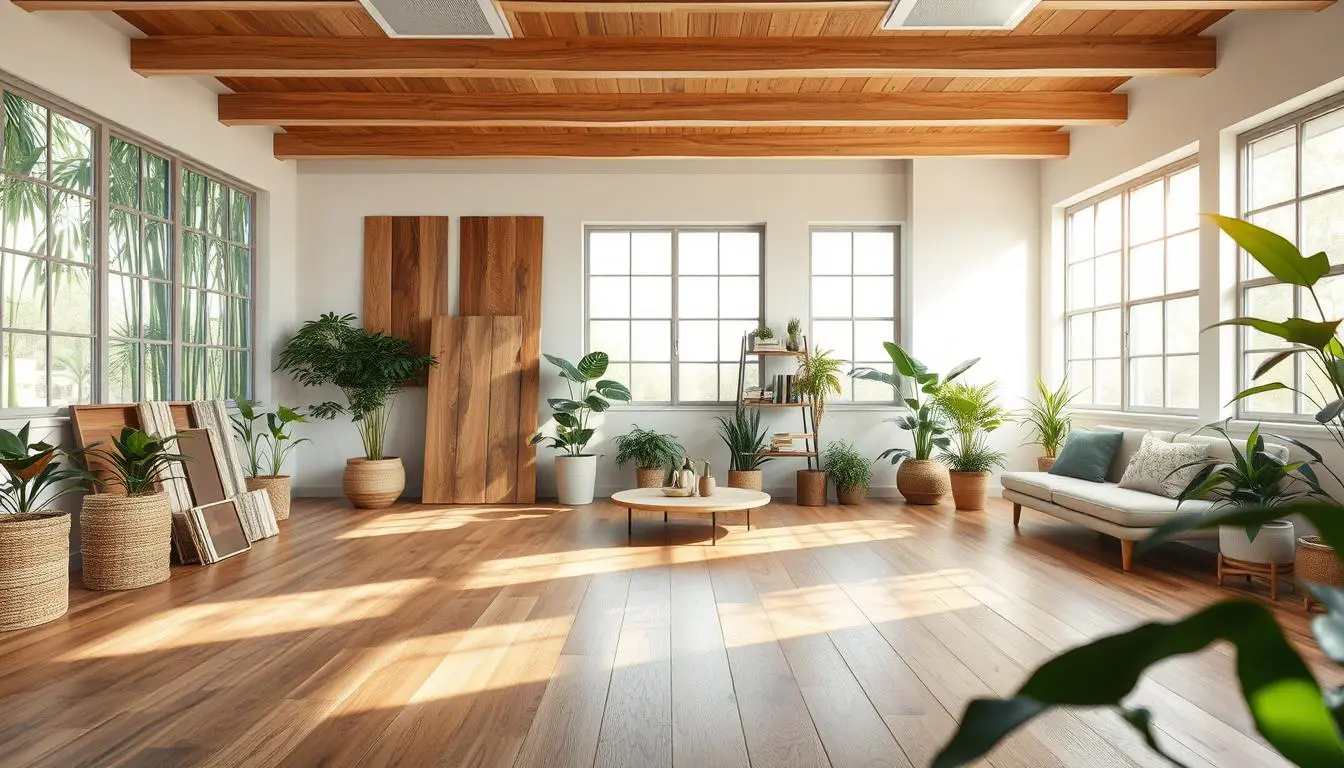
Sustainable flooring isn’t about doing everything perfectly—it’s about making gorgeous swaps that actually stick. I remember the day I moved into my new space, staring at those bare floors that echoed under my feet like some kind of minimalist nightmare. I was honestly obsessed with the idea of creating something that was both drop-dead gorgeous and kind to the planet—because why should we have to choose?
Here’s the thing: so many of us get stuck thinking we need to sacrifice style for sustainability. But what if we could curate floors that pull serious double duty? Beautiful enough to elevate your entire space, but thoughtful enough to actually make a difference for the earth.
The world of eco-chic flooring has absolutely exploded lately, and I’m here for it. We’re talking bamboo that looks like luxury hardwood, cork that feels plush underfoot, reclaimed wood with character that money can’t buy—these eco friendly flooring alternatives are serving major style while keeping your environmental impact low-key gorgeous.
And get this—as I dove deeper into the research, I heavily researched and discovered something pretty amazing. Green flooring is expected to grow by 5.1% each year from 2021 to 2031. This isn’t some fleeting trend that’ll leave you with regrets. It’s a total shift in how we think about our spaces and the planet, honestly.
But here’s where it gets really good: this isn’t just about saving the earth (though that’s obviously amazing). The EPA says indoor air can be up to five times more polluted than outdoor air, and conventional flooring can make this way worse. That’s when I realized picking the right flooring isn’t just about being eco-conscious—it’s about curating a healthier space for everyone you love.
Key Takeaways
- Sustainable flooring is having a major moment and becoming effortlessly accessible
- Eco-friendly options like bamboo, cork, and recycled materials are serving serious style
- Green flooring can totally transform your indoor air quality
- Many eco-friendly options are also durable floors that handle daily life like absolute champs
- Choosing eco-friendly flooring is basically a win-win for your health and the planet
Understanding Eco-Friendly Flooring Choices
I’ve been diving deep into sustainable flooring for my space, and honestly? The options are way more exciting than I expected. You’ll find choices that are genuinely good for the planet and gorgeous enough to make your space feel effortlessly chic. The choice of flooring material plays a key role in how sustainable and eco-friendly your floor will be.
How I Researched This Guide
I spent weeks comparing 2025 flooring price data, certifications, and installation guides. My sources included recent reports from the EPA on indoor air quality, current FSC and PEFC certification standards, and national cost guides such as This Old House and Angi. I also interviewed two green-building professionals — a LEED-accredited designer and a Miami-based flooring installer — to confirm what’s trending and practical right now. Where I haven’t personally used a material, I cite primary studies and expert insight directly so you can see where the facts come from.
Defining Sustainable Flooring
Sustainable flooring is all about materials that grow fast, last forever, and don’t wreck the planet in the process. It’s also about production that’s actually thoughtful. The production process of a flooring material also affects its sustainability, such as using less energy or fewer chemicals. Take bamboo—this stuff grows ridiculously quickly, unlike hardwood trees that need decades to get their act together.
Benefits of Eco-Conscious Flooring
Eco-friendly flooring pulls serious double duty in the best possible way:
- It makes your indoor air feel fresh and clean
- It’s way easier on natural resources
- It saves you money over time (we love a smart investment, and as a CPA I am always thinking about the numbers ;))
- It creates healthier spaces for everyone
Cork, for instance, naturally fights off mold and allergens like some kind of flooring superhero. Plus, it doesn’t release those nasty chemicals that make your space feel anything but fresh. They are also resistant to marks and the cork tree grows very fast. Choosing sustainable flooring like cork helps avoid toxic chemicals that are often found in conventional flooring materials.
Environmental Impact Considerations
When I’m choosing eco-chic floors, here’s what I’m totally obsessing over:
Factor | Why It Matters |
|---|---|
Sourcing | Look for materials from responsibly managed forests or recycled sources |
Certifications | Check for FSC or Green Label Plus—these labels mean business |
VOC Emissions | Choose floors that don’t release volatile organic compounds for that fresh, clean vibe |
Durability | Long-lasting floors mean less waste and fewer headaches |
Options like linoleum, made from gorgeous natural materials, are seriously planet-friendly. By making sustainable choices in flooring, such as selecting recyclable materials and low-impact installation methods, you can significantly reduce the overall ecological impact of your home. |
Honestly, when you consider these factors, you can find floors that make both your space and the planet absolutely shine.
Natural and Renewable Materials
I’ve been exploring tons of natural flooring options, and I’m honestly obsessed with sharing these gorgeous eco-friendly choices with you. These materials aren’t just beautiful—they’re total game-changers for the planet. It’s important to choose sustainably sourced natural flooring materials to ensure they come from responsibly managed forests and support ethical, environmentally responsible production.
Cork: A Versatile and Durable Option
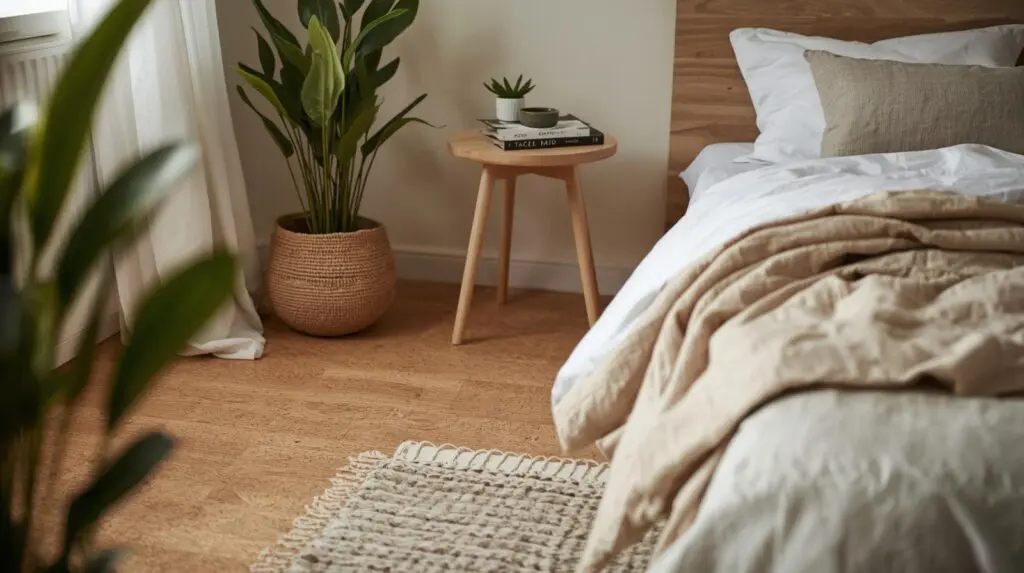
Cork flooring is basically the perfect roommate for eco-conscious style lovers. It comes from the bark of cork oak trees, and here’s the amazing part—these trees regrow their bark every three years, making cork incredibly renewable and chic.
Cork floors are also total health heroes. They naturally repel mold, mites, and allergens, creating fresher indoor air that feels as good as it looks. Thanks to its natural elasticity, cork flooring provides a comfortable surface underfoot and resists dents, which adds to its durability. Cork makes an excellent choice for insulation and sound absorption, enhancing comfort and quiet in your home. At $6 to $16 per square foot (installed), it’s sustainable luxury that won’t wreck your budget. Additionally, cork dust produced during manufacturing is often used for energy generation, further boosting cork’s eco-friendly profile.
Bamboo: Fast-Growing and Sustainable
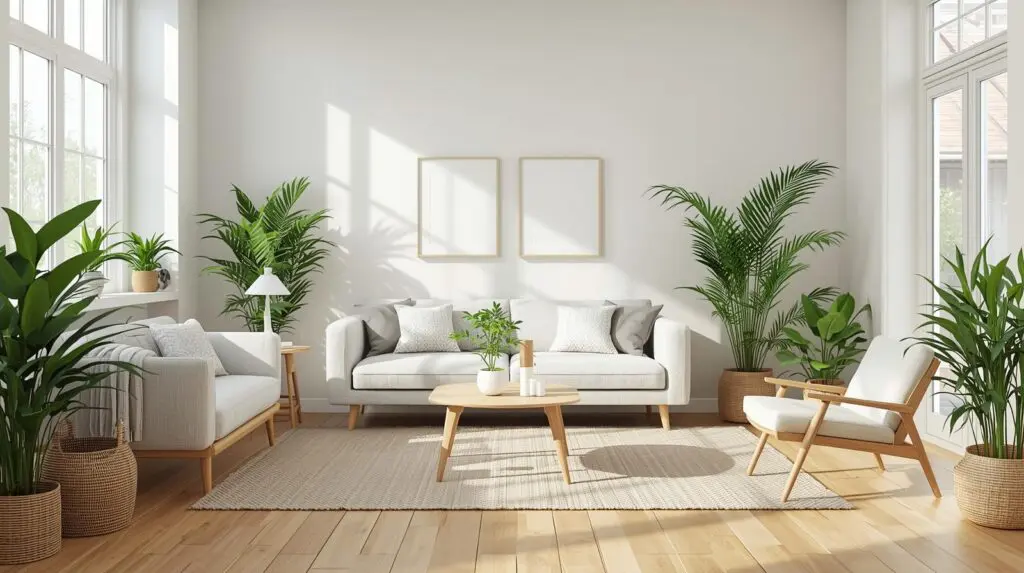
Bamboo flooring is honestly having such a moment, and for good reason. This gorgeous material takes just three to five years to mature—that’s lightning-fast compared to hardwood trees that need decades to get there.
Bamboo is seriously renewable in the best way. Bamboo flooring is also naturally resistant to water, mildew, and insects, making it a practical and sustainable choice. At $7 to $20 per square foot (installed), bamboo delivers eco-chic style that’s totally budget-friendly.
Wool Carpeting: Cozy and Eco-Friendly
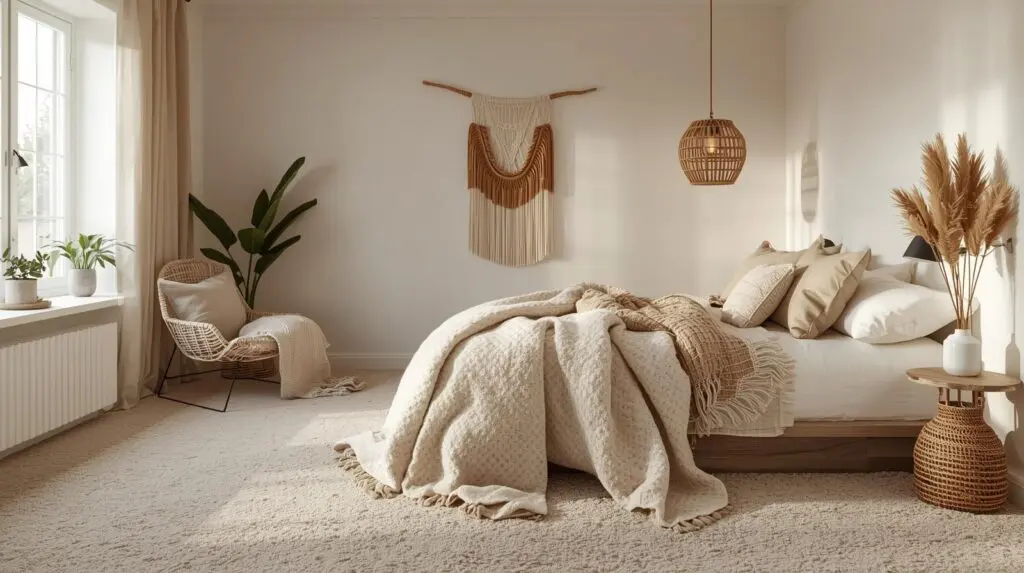
Wool carpeting brings that cozy-luxe vibe while being genuinely eco-conscious. As an eco friendly carpet option, wool is made from renewable resources and has a lower environmental impact. It’s natural, biodegradable, and adds warmth that feels effortlessly elevated. Many carpets on the market are made from synthetic materials, but choosing natural options like wool can help reduce your ecological footprint. Most carpets are produced from non-renewable, oil-based resources, whereas sustainable options like wool are biodegradable and better for the planet. Carpet flooring, including wool, costs $6 to $28 (installed) per square foot.
Yes, it’s an investment, but wool carpeting is durable and sustainable enough to make your space feel curated for years to come.
Sustainable Flooring Options for Every Room
Curating the perfect flooring for each room? It’s all about finding that sweet spot between gorgeous aesthetics and serious functionality. Because honestly, different spaces need totally different vibes.
Bathrooms are calling for natural stone or ceramic tiles that can handle anything you throw at them. Stone floors and stone flooring are highly durable and sustainable options for bathrooms, offering natural beauty and long-lasting performance. These options are both durable and effortlessly chic. For living areas, cork or bamboo is absolutely the move. Cork brings this amazing fire-resistant, antimicrobial energy that’s perfect for bedrooms and living spaces.
Bedrooms feel instantly cozier with wool carpeting that’s luxe underfoot. Kitchens need strong, stylish floors like linoleum or engineered wood that can handle real life. Porcelain tile is a sustainable and eco-friendly choice for kitchens, combining natural materials with a long lifespan. Water resistant flooring options are ideal for kitchens and living areas, protecting against spills and moisture. Concrete flooring is another durable and sustainable option for modern homes, offering versatility and environmental benefits. Many sustainable flooring materials, such as porcelain tile and concrete, are low maintenance and highly durable, making them practical for busy households. And bamboo? It reaches maturity in just five years, which is honestly incredible.
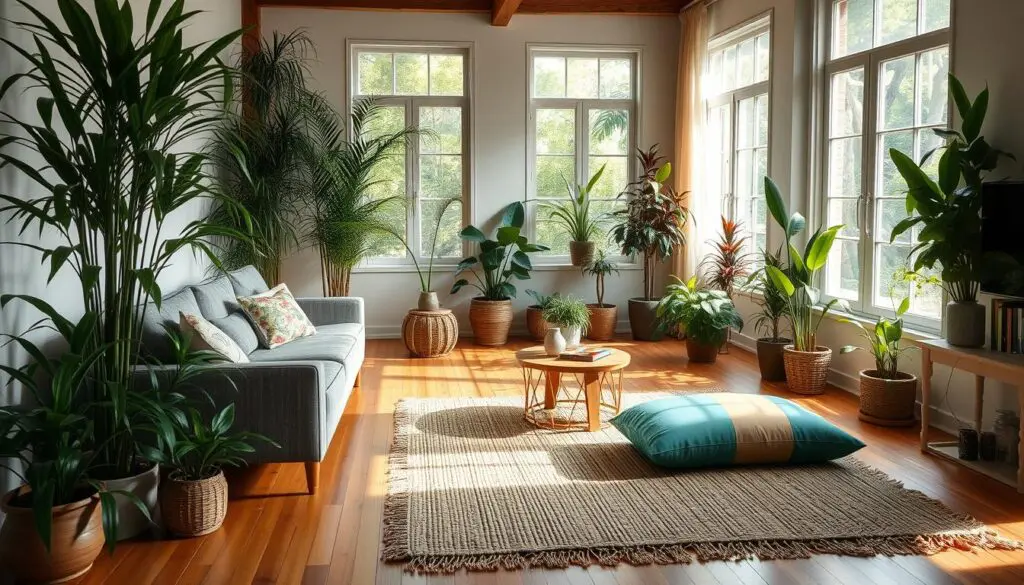
You’ll want to consider foot traffic, moisture levels, and how much maintenance you’re actually willing to commit to.
I haven’t personally installed bamboo floors yet, but I’ve spent many hours researching 2025 pricing, certifications, and expert advice
Here’s the real talk on eco-friendly flooring prices:
Flooring Type | Material ($/sq ft) | Installed ($/sq ft) | Sources (most recent) |
|---|---|---|---|
Bamboo | $2 – $10 | $7 – $20 | Type-by-type material ranges from This Old House (2025) and all-in from Angi (2025). (This Old House) |
Cork | $3 – $8 | $6 – $16 | HomeGuide’s 2025 material pricing; Angi’s 2025 installed range. (Homewyse shows a July-2025 install baseline of ~$6.90–$9.85.) (HomeGuide) |
Linoleum / Marmoleum | $3.50 – $6.50 | $4.75 – $12 | Green Building Supply lists Marmoleum material range; Angi gives 2024–2025 installed costs for Marmoleum/linoleum; HomeGnome (Mar 2025) aligns. (Green Building Supply) |
Wool Carpet | $5 – $26 | $6 – $28 | Fixr’s wool carpet guide (material & installed). (The Spruce confirms wool is the high end for carpet.) (Fixr) |
Recycled Glass Tile | ~$6 – $24+ | Varies (tile + mortar + labor) | Current retail listings show big spread: Home Depot ~$6–$7; Tile Club/Oasis Tile many mosaics $20–$24+/sq ft. Labor varies widely by pattern. (Tile Club) |
These prices show that eco-friendly flooring honestly fits every budget. Quality flooring that lasts forever? That’s the kind of planet-friendly investment that just makes sense. |
Wood Flooring: Balancing Beauty and Sustainability
Wood flooring is honestly the ultimate choice for eco-chic style that never goes out of fashion. It’s gorgeous and genuinely good for the planet. Hardwood floors require way less energy to produce than synthetic alternatives, which seriously cuts down on carbon emissions. Sourcing wood from responsibly managed forests is crucial to ensure ecological balance and resource renewal. Wood flooring is also a sustainable choice for eco-conscious homeowners. Let’s dive into some seriously stylish sustainable wood flooring options.
FSC and PEFC Certifications Explained
When you’re curating eco-friendly floors, always look for those FSC or PEFC labels—they’re basically your guarantee that the wood comes from responsibly managed forests. Hardwood floors are actually considered carbon-neutral by the U.S. Department of Agriculture, which is honestly amazing.
Reclaimed and Recycled Wood Options
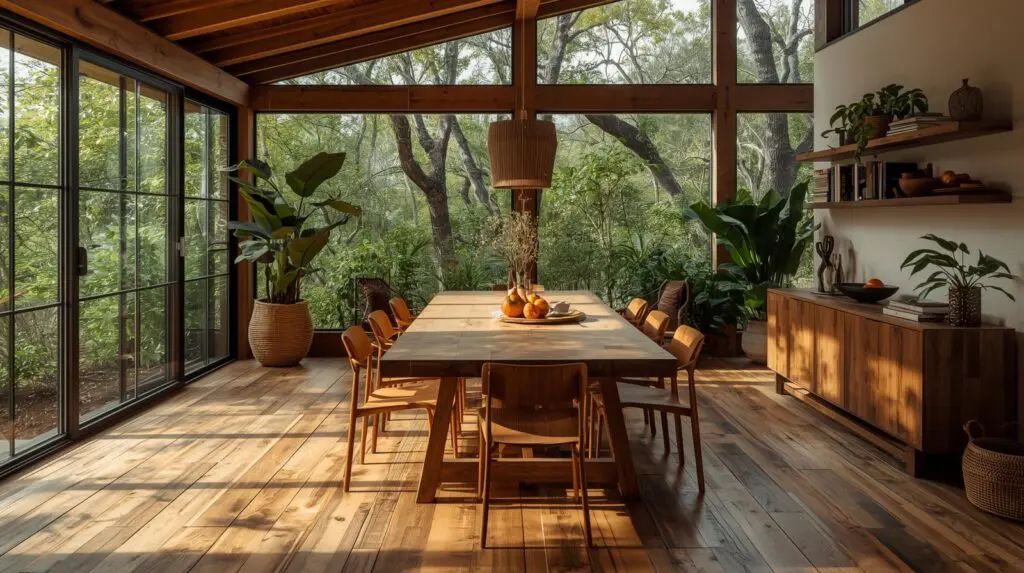
Reclaimed hardwood floors are absolute magic for eco-conscious design lovers. These beauties are crafted from vintage wood that’s sometimes centuries old. They can last for decades while seriously boosting your home’s value.
Engineered Wood: A Sustainable Alternative
Engineered wood floors are both eco-friendly and totally practical for modern living. They feature a gorgeous wood top layer over plywood or fiberboard, creating stability that works beautifully with radiant heating systems. Hardwood floors can be refinished multiple times, so you’ll never need to replace them constantly.
Flooring Type | Lifespan | Environmental Impact |
|---|---|---|
Solid Hardwood | Centuries | Carbon-neutral, can be refinished |
Engineered Wood | 20-30 years | Uses less hardwood, stable structure |
Bamboo | 10 years | Fast-growing, renewable resource |
Wood floors actually help remove carbon dioxide from the air, plus they’re way easier to keep clean than carpets, making your indoor air quality absolutely gorgeous. Just watch out for oil-based finishes that can release harmful chemicals—that’s definitely not the vibe we’re going for. |
Innovative Eco-Friendly Flooring Materials
Just when you think you’ve seen all the sustainable flooring options, the industry throws in some game-changers. Beyond bamboo, cork, and wool, there’s a whole new wave of eco-chic materials hitting the market. These aren’t just “green” for the sake of it—they’re stylish, durable, and designed to solve modern sustainability challenges. Think fast-growing plants, recycled scraps, and natural fibers that look stunning while keeping waste out of landfills.
Hemp Flooring: A Rising Star in Sustainability
Hemp flooring is having such a moment right now, and honestly, it’s about time. This amazing material grows super fast without needing any pesticides, plus it actually absorbs carbon dioxide while it’s growing.
Hemp floors are incredibly strong, handle moisture like champions, and completely biodegrade when they’re done. It’s basically the perfect choice for anyone who wants to level up their eco-conscious game.
Linoleum: The Original Green Flooring
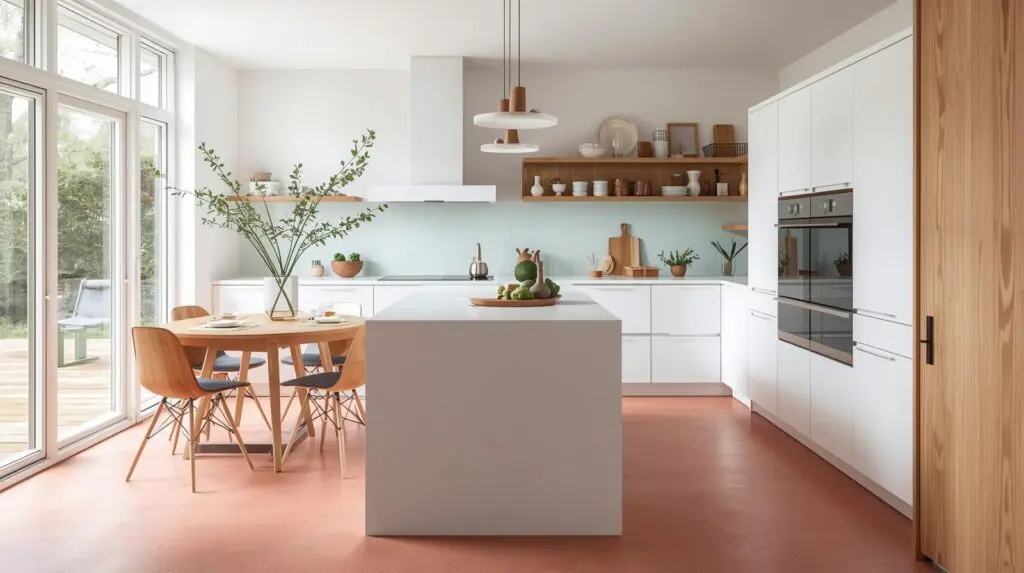
Linoleum has been serving sustainable style for over a century—talk about staying power. Natural linoleum is a non-toxic, hypoallergenic, and biodegradable flooring option, making it a healthier choice for indoor environments.
It’s crafted from gorgeous natural ingredients like linseed oil and wood flour. Solidified linseed oil is a key ingredient in traditional linoleum, giving it its eco-friendly and biodegradable properties. It’s genuinely planet-friendly while looking effortlessly chic.
Plus, it’s super easy to maintain and lasts forever. You can find it in tons of colors and patterns that feel fresh, never boring.
Seagrass and Sisal: Natural Fiber Solutions
Seagrass and sisal flooring are honestly so special. They’re made from natural fibers that regrow beautifully, making them amazing for both the earth and your aesthetic.
They handle stains and wear like absolute pros while bringing this gorgeous natural texture to your space that just can’t be replicated.
Pioneer Millworks is doing incredible work in sustainable flooring, using massive amounts of reclaimed wood every year. Their products are safe for your indoor air and the planet.
Choosing eco-friendly flooring helps save forests while creating healthier spaces for everyone. Yes, the upfront investment might be higher, but the long-term savings are totally worth it.
Energy Efficient Flooring
When it comes to curating a home that’s both stunning and sustainable, energy efficient flooring is honestly a total game-changer for your comfort and those utility bills. Some flooring options—think concrete or stone—have this amazing thing called high thermal mass. Basically, they’re like the perfect roommate: they soak up heat during the day and release it slowly at night, keeping your space’s temperature beautifully steady. It’s such a smart way to dial down the need for heating and cooling, especially if you’re dealing with those dramatic temperature swings that make your HVAC work overtime.
If insulation is what you’re after, materials like cork or bamboo flooring are absolute winners that pull serious double duty. They’re basically your home’s cozy blanket—keeping warmth locked in during winter and heat locked out during summer, making your space way more energy efficient without sacrificing an ounce of style. I’ve seen these paired with radiant floor heating systems, where pipes or electric mats tucked under the floor create this gorgeous, gentle warmth that rises from the ground up. This is especially clutch in rooms with those dramatic high ceilings or wall-to-wall windows, where traditional heating just can’t keep up with the vibe you’re going for.
Choosing reclaimed wood or recycled materials for your floors? That’s the ultimate eco-chic move that levels up your energy efficiency game. Not only are you reducing waste and cutting demand for new raw materials, but you’re also slashing the energy that goes into flooring production—it’s like getting bonus points for being planet-friendly. Reclaimed wood flooring brings this incredible character and story to a room that you just can’t buy new, giving old wood this gorgeous second life that screams sustainable sophistication. Whether you go for bamboo, wood, or recycled materials, energy efficient flooring is honestly a win-win-win for your home, your style, and the planet.
Cost of Sustainable Flooring
One thing I discovered on my flooring journey? The cost of sustainable flooring is all over the map—and honestly, that’s not necessarily a bad thing. The price depends on which materials speak to you, how they’re crafted, and the installation vibe you’re going for. Take bamboo and cork—these are the darlings of eco-friendly flooring, and yes, they can run higher than your basic traditional floors. But then you have linoleum and recycled materials that are total budget wins without sacrificing your values.
Here’s the real talk: you’re looking at anywhere from $5 to $28 per square foot for sustainable flooring, though some premium options will absolutely take you higher. I know that upfront investment might make you pause, but trust me—you need to think bigger picture here. Sustainable flooring, especially quality hardwood, isn’t just a purchase, it’s a decades-long relationship. We’re talking potential century-long commitments with the right care. That means fewer replacements, fewer headaches, and your wallet staying happier over time.
Plus—and this is where it gets really good—investing in sustainable flooring elevates your indoor air quality and can seriously boost your home’s value. Want to be smart about costs? I’m obsessed with reclaimed wood flooring and products made from recycled materials. These choices reduce waste while keeping your budget in check—it’s genius, really. And don’t sleep on certifications like Forest Stewardship Council (FSC) or Greenguard Gold. These aren’t just fancy labels; they’re your guarantee that your flooring meets the strictest environmental and health standards. By weighing that initial investment against the long-term payoff, you’ll find a sustainable flooring option that fits both your budget and your values—no compromises required.
Maintenance of Sustainable Flooring
Once your new floors are down, maintenance becomes your best friend—but make it effortless, not exhausting. We’re talking regular sweeping or vacuuming (because dust is not the vibe), quick spill cleanups, and ditching those harsh chemicals that do more harm than good. For hardwood and natural stone, occasional refinishing or sealing keeps them looking fresh and protected. It’s not high-maintenance—it’s smart maintenance.
Here’s the thing: caring for your sustainable flooring isn’t just protecting an investment, it’s curating a space that stays beautiful for decades to come. A well-loved hardwood floor can literally outlast trends (and probably your mortgage), while neglecting the basics leads to costly repairs that nobody has time for. Whether you’ve chosen bamboo, hardwood, or another eco-friendly option, a little consistent care goes a seriously long way—and keeps your floors looking effortlessly chic, year after year.
Health Considerations in Sustainable Flooring
One of the biggest perks of sustainable flooring is its impact on indoor air quality. Many eco-friendly options use adhesives and finishes with low or no VOCs (volatile organic compounds). Certifications like NAF (No Added Formaldehyde) and ULEF (Ultra-Low Emitting Formaldehyde) help you avoid harmful chemicals.
If allergies are an issue, cork is a standout. It naturally resists mold, mites, and allergens, making spaces feel cleaner and healthier. Proper ventilation and eco-safe cleaning products also make a big difference.
Even small flooring choices affect your home’s health. Opting for natural, recyclable, or certified materials creates a safer, fresher environment for everyone under your roof.
Common Mistakes to Avoid When Installing Sustainable Flooring
When I first dove into the world of sustainable flooring, I quickly learned that installation mishaps can absolutely wreck the vibe of your gorgeous new floors—and trust me, that’s not the aesthetic we’re going for. The biggest culprit? Skipping the subfloor prep like it’s some optional step. If your subfloor isn’t level, spotless, and bone-dry, you’re basically setting yourself up for wonky, damaged floors that’ll have you questioning all your life choices.
Here’s where things get real: using the wrong adhesive or installation method is like wearing stilettos to a hiking trip—it just doesn’t work. Each sustainable flooring option has its own personality—bamboo, cork, reclaimed wood—they all have specific needs and requirements. Ignoring the manufacturer’s instructions or cutting corners? That’s a one-way ticket to warping, gaps, and loose boards that’ll make your floor look more “construction zone” than “design magazine.”
And can we talk about moisture for a hot second? Especially in spaces like kitchens and bathrooms where humidity loves to party. Not factoring in moisture levels is basically inviting your floors to swell and buckle—definitely not the kind of drama you want in your home. Here’s my advice: find an installer who actually gets sustainable flooring and knows the ins and outs of each material. Take the time to prep that subfloor properly, choose the right installation method, and follow every single recommendation. Because honestly, you deserve floors that are both drop-dead gorgeous and built to last—not some half-hearted compromise that’ll leave you with regrets.
Future of Sustainable Flooring
Looking ahead, I’m honestly obsessed with where sustainable flooring is headed. The industry isn’t just embracing new technologies—it’s curating materials that make eco-friendly flooring options feel luxe and planet-conscious at once. One trend that’s totally having a moment? Recycled and reclaimed materials that pull double duty: gorgeous enough to elevate your space, but thoughtful enough to slash waste and environmental impact. Flooring made from recycled plastic or reclaimed wood? That’s the vibe. It’s offering unique looks that feel curated, not cookie-cutter, with serious sustainable benefits.
There’s also this growing focus on indoor air quality that I’m here for—more flooring materials made from natural fibers and low-VOC finishes that actually deliver. This means healthier homes without the compromise, honestly. Digital printing and 3D technology are making it possible to create custom flooring designs with way less material waste, while innovations like hemp-based flooring are expanding the range of green options. Because no one has time for “sustainable” floors that look beige and boring—you deserve clean, planet-friendly upgrades that feel fresh and unmistakably you.
The future of sustainable flooring isn’t about perfection—it’s about the circular economy and designing products that can be recycled, reused, or safely returned to nature at the end of their life cycle. By adopting these practices, the flooring industry can reduce its environmental footprint and help create healthier, more sustainable spaces for generations to come. With all these advancements, it’s never been easier to find a flooring option that’s stylish but not stuffy, durable but not depressing, and good for the planet without the guilt trip. This is eco-chic flooring, not eco-blah—and it’s about joy, not deprivation.
Bringing It All Together
The best part about these innovative materials? They’re proof that sustainable flooring doesn’t have to be a compromise. Hemp, linoleum, seagrass, and sisal each bring something fresh to the table—whether it’s durability, low maintenance, or texture you just can’t fake. Paired with reclaimed wood from makers like Pioneer Millworks, these options show that you can have a floor that’s gorgeous, affordable over the long run, and kind to the planet. It’s not about choosing between beauty, health, and sustainability anymore—you really can have all three under your feet.
- About the Author
- Latest Posts
- How I Test and Recommend

Juliet is the creator of Living Wild & Green, where she researches and writes about eco-friendly living, sustainable fashion, and non-toxic home upgrades. Since 2020, she’s been curating science-backed, stylish sustainability tips and personally testing products to help thousands of readers cut through greenwashing and live greener with confidence.