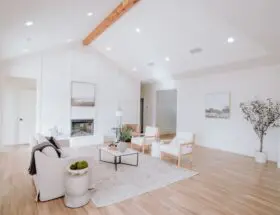

Minimalism doesn’t have to mean living in a sterile, magazine-perfect space that feels more like a showroom than a home. The cozy minimalist movement has transformed how we think about intentional living, proving that you can embrace clean lines and purposeful design decisions while creating spaces that actually invite you to curl up with a good book and stay awhile.
This approach to interior design has gained momentum over the past ten years, largely thanks to influencers like Myquillyn Smith, whose work with The Nesting Place and features in publications like Ladies Home Journal have shown that minimalism can be both beautiful and livable. Unlike stark minimalism that prioritizes visual emptiness, cozy minimalism focuses on less stuff, more style—creating rooms that serve your life while embracing warmth and personality.
Whether you’re starting fresh in your own home or looking to transform cluttered spaces into something more intentional, this guide will walk you through every aspect of creating a cozy minimalist home that reflects your unique style while supporting the way you actually live.
What Is Cozy Minimalism and Why It’s Perfect for Modern Living
Cozy minimalism represents the sweet spot between intentional simplicity and genuine comfort. While traditional minimalism can sometimes feel cold or unwelcoming, the cozy minimalist way embraces the idea that your house should be a place of rest and beauty, not just visual restraint.
At its core, this design philosophy recognizes that a minimalist home doesn’t have to sacrifice warmth or personality. Instead of completely empty surfaces, you might style your coffee table with a beautiful wooden tray holding just a few meaningful objects. Rather than bare walls, you could create a small gallery wall featuring art that truly speaks to you.
Myquillin Smith, a leading voice in this movement, has spent years encouraging women to see their homes as places where life happens, not showpieces to maintain. Her approach, featured in Christianity Today and embraced by community members in various private Facebook groups, emphasizes that the real secret to a beautiful home lies in paying attention to what actually serves your family’s life.
The benefits of cozy minimalism extend far beyond aesthetics. When you focus on fewer, better pieces, you reduce visual clutter while increasing the impact of each item you choose to keep. This creates spaces that are easier to clean, more relaxing to inhabit, and ultimately more supportive of the life you want to live.
For families, renters, and anyone working within budget constraints, cozy minimalism offers a practical path forward. You don’t need to shop for entirely new furniture or invest in expensive statement pieces to create transformation. Often, the most powerful changes come from removing excess and highlighting what you already love.
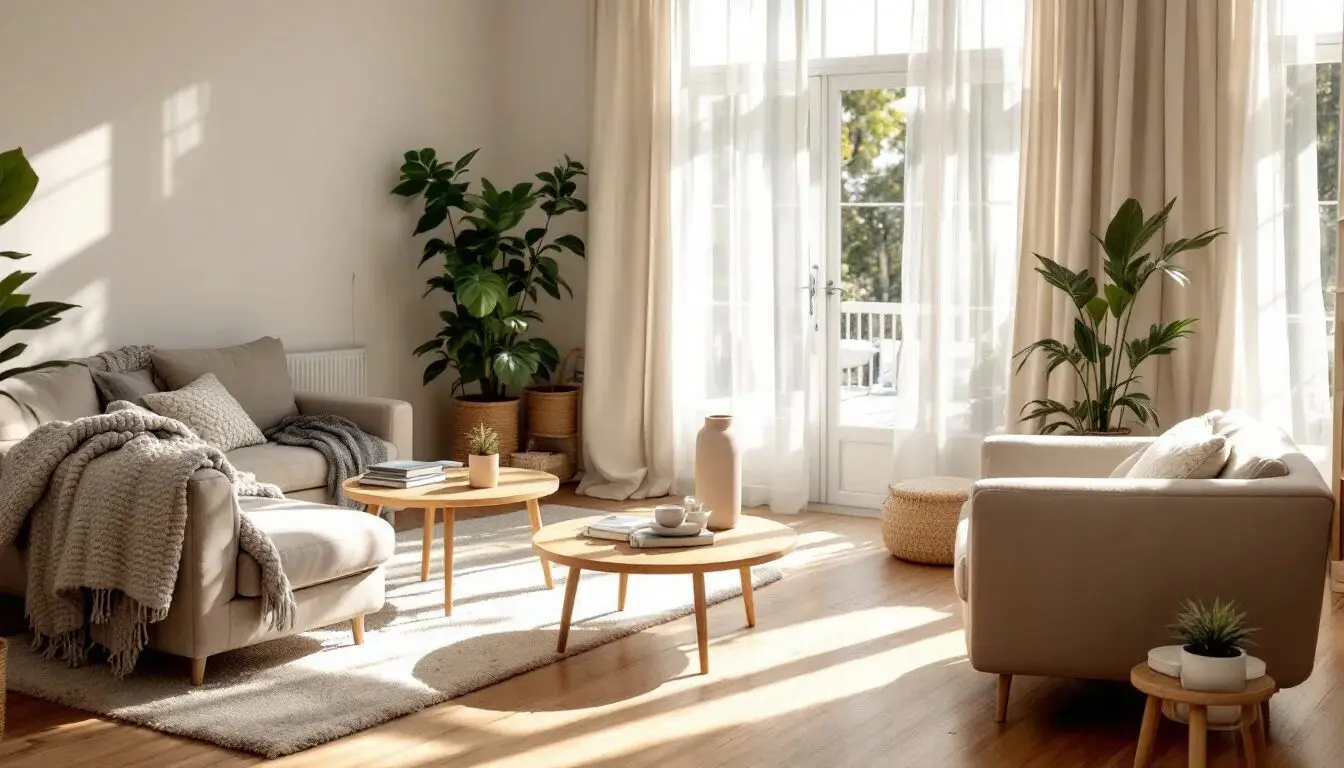
Core Design Principles of Cozy Minimalist Homes
The foundation of any cozy minimalist space rests on the principle of intentional curation. Every item in your room should either serve a clear function or bring genuine joy to your daily life. This doesn’t mean your space needs to be sparse—it means every decorating decision should be purposeful.
The “Less Stuff, More Style” Philosophy
This fundamental concept shifts focus from quantity to quality. Instead of filling shelves with numerous small decor items, choose one beautiful ceramic vase or a few carefully selected books. Rather than covering your sofa with multiple throw pillows in different patterns, select two or three in complementary textures that invite actual use.
Quality Over Quantity Investment Strategy
When building your cozy minimalist home, prioritize pieces that will serve multiple purposes and stand the test of time. A well-made wooden coffee table can serve as seating, storage, and display space. A high-quality sofa in a neutral fabric becomes the foundation for seasonal updates through pillows and throws.
The Power of Negative Space
Negative space—the empty areas in your room—isn’t wasted space. It’s what allows your eye to rest and your chosen pieces to truly shine. When you’re focused on creating balance, remember that what you don’t include is just as important as what you do.
Layering Textures Without Clutter
The cozy element in cozy minimalism comes largely through thoughtful textural layering. Combine smooth surfaces with rough ones, soft fabrics with hard materials. A linen curtain panel against a smooth wall, a chunky knit throw over clean-lined furniture, or a jute rug under a sleek dining table all add warmth without visual chaos.
Creating Focal Points Through Intentional Placement
Rather than spreading interesting objects throughout a space, create one or two focal points that draw the eye. This might be a single piece of meaningful art, a beautiful fireplace surround, or a carefully styled bookshelf. These focal points become the anchors around which the rest of your room organizes.
The 80/20 Rule for Balance
Aim for 80% calm, neutral foundation elements and 20% personality and warmth. This ratio ensures your space feels peaceful and cohesive while still reflecting your personal style and the unique character that makes a house feel like home.
Essential Elements That Make Minimalism Feel Cozy
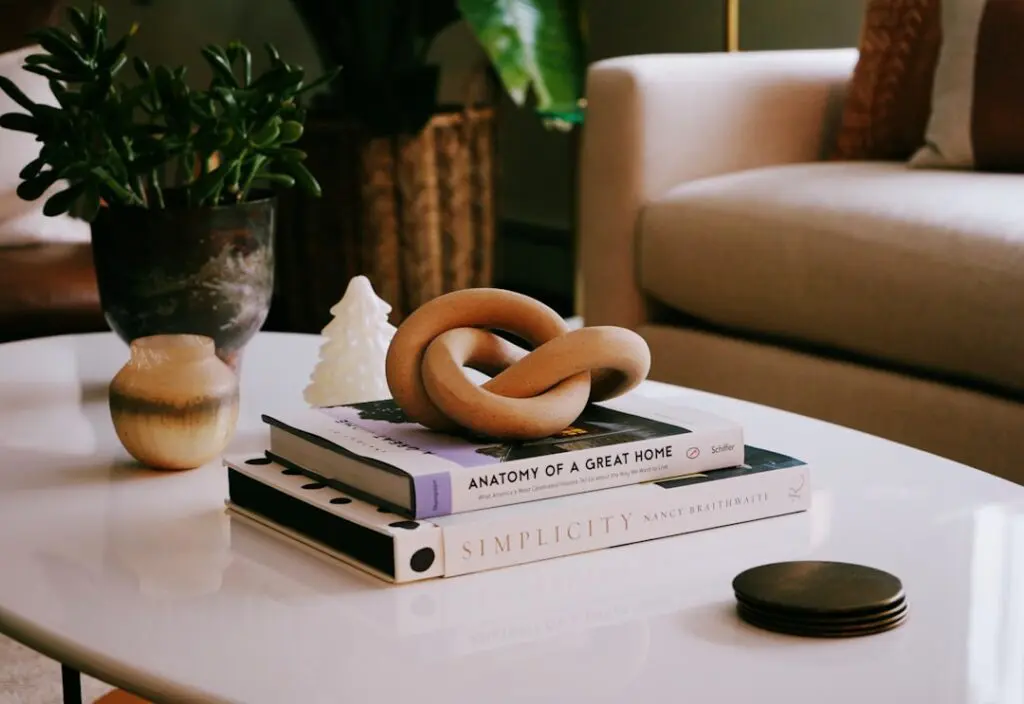
The magic of cozy minimalism lies in the specific elements that add warmth without creating visual noise. These carefully chosen additions transform stark spaces into inviting environments that support both rest and inspiration.
Textural Elements That Add Depth
Natural textures play a crucial role in creating warmth. Chunky knit throws draped over simple furniture invite touch and use. Woven baskets provide both storage and visual interest while maintaining clean aesthetics. Natural fiber rugs—whether jute, wool, or cotton—define spaces while adding softness underfoot.
Consider the interplay between different textures: smooth ceramic against rough wood, soft linen against hard metal surfaces. These contrasts create visual interest without requiring multiple objects or colors.
Warm Lighting for Atmosphere
Lighting might be the most important element in making minimalism feel cozy. Harsh overhead lighting can make even the most thoughtfully designed space feel cold. Instead, layer your lighting with warm-toned bulbs (2700K to 3000K), table lamps, and candles.
String lights aren’t just for college dorms—when used thoughtfully, they can add gentle ambiance to reading nooks or bedroom corners. The key is choosing warm, soft light sources that create pools of illumination rather than flooding the entire space.
Natural Materials That Connect to Nature
Wood, stone, linen, and cotton bring organic warmth to minimalist spaces. These materials age beautifully and provide visual and tactile comfort that synthetic alternatives can’t match. A wooden cutting board left on the counter isn’t clutter—it’s a functional piece that adds natural beauty to your kitchen.
Strategic Plant Placement
Low-maintenance plants like snake plants, pothos, or peace lilies add life and color without requiring extensive care or creating visual chaos. Choose plants that thrive in your specific light conditions, and remember that sometimes one beautiful, healthy plant makes more impact than several struggling ones.
Soft Furnishings in Natural Tones
Pillows, blankets, and cushions in cream, warm gray, or soft earth tones add comfort while maintaining visual cohesion. Choose fabrics that invite use—cotton, linen, or wool that can be washed and enjoyed rather than preserved.
Art and Personal Touches
Family photos in simple frames, handmade ceramics from local artisans, or books that reflect your interests all add personality without cluttering. The key is curation: choose items that truly resonate with you rather than filling space for the sake of decoration.
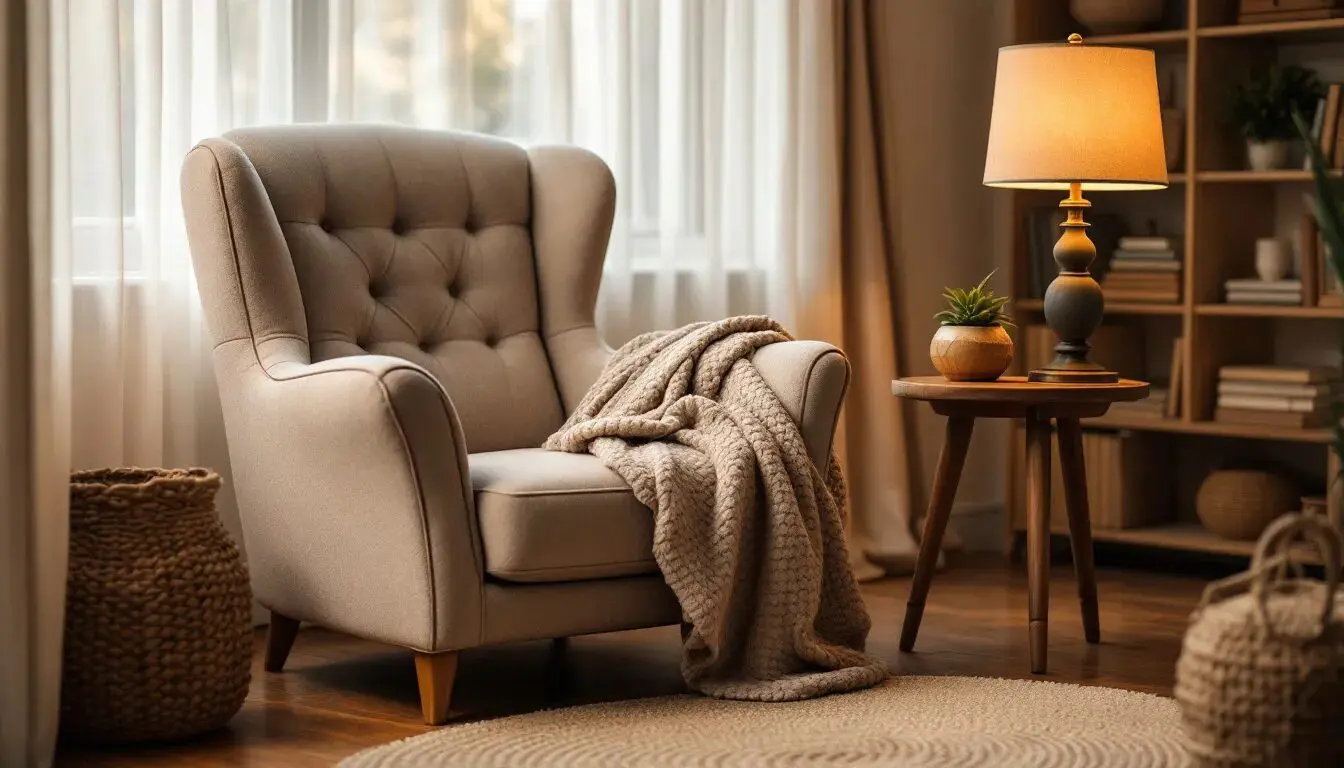
Room-by-Room Guide to Cozy Minimalist Design
Creating a Cozy Minimalist Living Room
The living room often serves as the heart of the home, making it the perfect place to demonstrate how cozy minimalism can be both beautiful and livable. Start with comfortable seating as your foundation—a sofa that actually invites relaxation, not just admiration.
Furniture Selection and Arrangement
Choose a sofa in a neutral tone with clean lines but soft cushions. Avoid overstuffed pieces that dominate the room, but don’t sacrifice comfort for aesthetics. Position furniture to create conversation areas rather than just facing the television.
A cozy minimalist living room might include a simple sofa, one or two armchairs, and a coffee table that serves multiple functions. Consider pieces that offer hidden storage—an ottoman that opens, a coffee table with shelves underneath, or a console that conceals media equipment.
Coffee Table Styling That Works
Your coffee table should be both functional and beautiful. Start with one substantial tray to define the styling area, then add two to three carefully chosen objects: perhaps a small plant, a beautiful book, and a simple candle. This approach looks intentional while leaving space for actual use—setting down a mug, placing a magazine, or putting up tired feet.
Window Treatments for Natural Light
Natural linen curtains or simple white sheers allow maximum light while adding softness to hard lines. Avoid heavy drapes or complicated treatments that compete for attention. The goal is to frame your windows beautifully while letting light flow freely throughout the space.
Storage Solutions That Disappear
Hidden storage maintains the clean aesthetic while supporting real life. Built-in shelving can display a few beautiful objects while concealing everyday items. Storage ottomans provide extra seating and a place to tuck away blankets or games.
Color Palette for Comfort
Warm whites, soft grays, and natural wood tones create a foundation that feels both calm and inviting. This doesn’t mean everything must be beige—add interest through varying shades of neutrals and different textures rather than bold colors.
Designing a Cozy Minimalist Bedroom
The bedroom should be your sanctuary—a place that supports rest and rejuvenation. Cozy minimalism in the bedroom focuses on creating an environment that promotes sleep while feeling welcoming and personal.
Bedding Essentials for Comfort and Style
Invest in high-quality white or cream linens that feel luxurious against your skin. Layer with a textured throw in a natural fiber—perhaps a chunky knit or woven cotton blanket that adds visual interest and practical warmth.
Skip the decorative pillows that need to be removed every night. Instead, choose sleeping pillows in quality cases and maybe one or two throw pillows that actually serve a purpose—supporting reading in bed or adding a splash of muted color.
Nightstand Styling That Supports Life
Each nightstand should include just the essentials: a reading lamp with warm light, perhaps a small plant or simple vase with fresh stems, and one meaningful book. Avoid cluttering these surfaces with multiple objects that serve no daily purpose.
Wardrobe Organization Using Capsule Principles
Apply minimalist principles to your closet by focusing on versatile pieces you actually wear. Hidden storage—under-bed drawers, closed wardrobes, or simple garment racks—keeps clothing organized without creating visual clutter in your sleeping space.
Lighting Design for Relaxation
Bedside reading lamps should provide adequate light for evening activities while being warm enough not to disrupt your natural sleep rhythms. Consider blackout window treatments that allow you to control both light and privacy.
Personal Touches That Feel Intentional
One piece of meaningful art above the bed, a few favorite books on a shelf, or a family photo in a simple frame can personalize the space without overwhelming it. Choose items that contribute to the restful atmosphere rather than demanding attention.
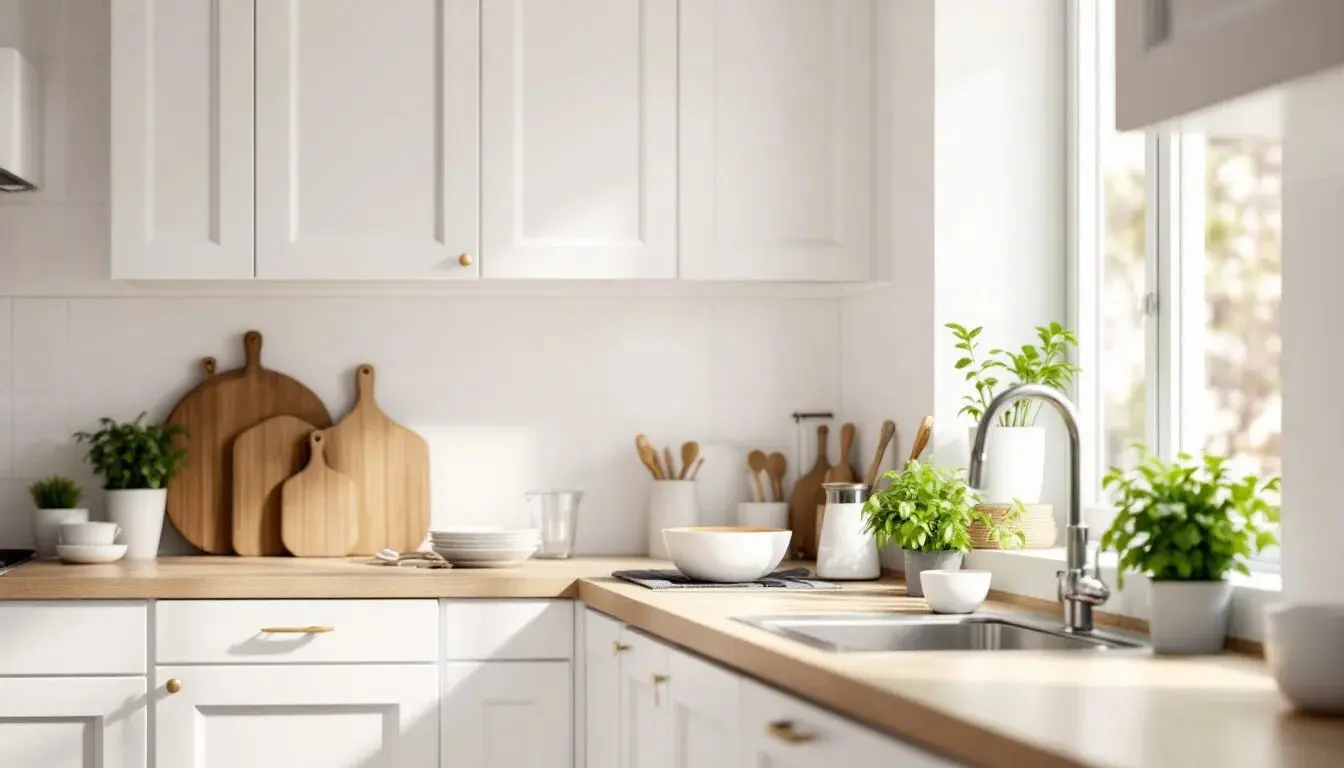
Crafting a Cozy Minimalist Kitchen
The kitchen presents unique challenges for minimalist design because it’s fundamentally a working space filled with necessary tools and appliances. The key is finding ways to make functional items beautiful and keeping only what you actually use.
Counter Decluttering Without Sacrificing Function
Keep counters clear except for items used daily. A wooden cutting board, a simple crock for cooking utensils, and perhaps a small plant or bowl of fresh fruit can add beauty while serving real purposes. Store small appliances in cabinets unless they’re used multiple times per week.
Open Shelving That Works
If you choose open shelving, display only your most beautiful dishware and glassware. Stack white plates, arrange glasses by height, and choose serving pieces that look intentional even when empty. This approach turns necessary items into decor.
Natural Elements That Add Warmth
Wooden cutting boards, ceramic bowls, and fresh herbs in simple pots bring natural beauty to kitchen spaces. These functional items contribute to the cozy minimalist aesthetic while supporting the way you actually cook and eat.
Appliance Management Strategies
Small appliances can quickly create clutter. Assess which items you use regularly enough to justify counter space, and find attractive storage solutions for occasional-use items. A coffee maker and perhaps a toaster might earn permanent spots, while everything else lives in cabinets.
Color Scheme for Timeless Appeal
White or light-colored cabinets paired with warm wood or stone accents create a foundation that feels both clean and inviting. Natural materials age beautifully and provide the warmth that prevents minimalist kitchens from feeling sterile.
Choosing the Right Color Palette and Materials
Color and material choices form the foundation of successful cozy minimalist design. These decisions impact how a space feels, how cohesive it appears, and how well it supports your daily life over time.
Warm Neutral Base Colors
Start with warm neutrals that feel inviting rather than stark. Cream, ivory, soft gray, and natural white provide a calm foundation that works with changing seasons and evolving tastes. These colors reflect light beautifully while feeling warmer than pure white or cool grays.
Consider paint colors like Benjamin Moore’s Cloud White or Sherwin Williams’ Natural Linen—shades that appear white in bright light but reveal subtle warm undertones in softer lighting conditions.
Accent Colors That Add Coziness
When you do add color, choose muted, natural tones that feel connected to the outdoors. Sage green, warm terracotta, soft blues, or dusty rose can add personality without overwhelming the peaceful foundation. Use these colors sparingly—in a single throw pillow, a piece of art, or a small plant pot.
Natural Material Combinations
The interplay between materials creates much of the visual interest in cozy minimalist spaces. Combine linen with wood, stone with cotton, or metal with leather. These natural pairings feel harmonious and age beautifully over time.
Avoid mixing too many different materials in one space. Choose two or three that work well together and repeat them throughout the room for cohesion.
Materials to Limit or Avoid
While there’s no absolute rule against any material, certain choices can make spaces feel cold or institutional. Limit stark white plastic, chrome fixtures, and synthetic fabrics that don’t improve with age. If you do include these materials, balance them with plenty of natural, warm elements.
Seasonal Color Adjustments
One advantage of a neutral foundation is how easily it adapts to seasonal changes. In fall and winter, add deeper, richer tones through throws, pillows, or temporary decor. Spring and summer might call for lighter, fresher accents. These seasonal shifts keep your space feeling current without requiring major changes.
Material Quality Considerations
When choosing materials, prioritize quality over quantity. A single beautiful wool rug will serve you better than several synthetic alternatives. Natural materials like solid wood, pure cotton, and genuine leather develop character over time rather than simply showing wear.
Budget-Friendly Ways to Achieve Cozy Minimalism
Creating a cozy minimalist home doesn’t require unlimited funds or starting from scratch. Some of the most effective transformations come from thoughtful editing and creative reuse of existing items.
Shopping Your Home First
Before buying anything new, look at what you already own with fresh eyes. Can that dining room mirror work better in the bedroom? Could those books scattered throughout the house create more impact grouped together on one shelf? Sometimes the best decorating decisions involve simply moving things around.
Remove everything from a room, then slowly add back only items that serve the space well. This exercise often reveals that you have exactly what you need—it just wasn’t arranged thoughtfully.
Thrift Store and Secondhand Finds
Vintage wooden furniture, ceramic vases, and art pieces often have more character than new alternatives at a fraction of the cost. Look for pieces with good bones that might need minor refinishing or cleaning. Natural materials from past decades often show better craftsmanship than contemporary budget alternatives.
Focus on finding one or two quality pieces rather than accumulating multiple bargain finds. A beautiful vintage wooden tray or ceramic bowl can serve as a focal point for months while you build the rest of your space.
DIY Projects That Add Character
Simple handmade elements can add personality and warmth to minimalist spaces. Macrame wall hangings, painted furniture, or handmade pillows in natural fabrics contribute to the cozy factor while reflecting your personal touch.
Keep DIY projects simple and aligned with your overall aesthetic. The goal is creating pieces that feel intentional and beautiful, not obviously homemade.
Investment Priorities for Maximum Impact
When you do spend money, prioritize items that have the biggest impact on daily comfort and visual appeal. A quality sofa, mattress, or lighting fixture affects how you feel in your space every day. These pieces are worth investing in, while decorative accessories can often be found affordably or made at home.
Temporary Fixes That Work
Removable wallpaper, peel-and-stick tiles, or furniture slipcovers can transform rental spaces or allow experimentation without permanent commitment. Choose temporary solutions in neutral tones that align with cozy minimalist principles.
Free Additions from Nature
Some of the most beautiful decorative elements cost nothing. Branches with interesting shapes, smooth stones, or seasonal foliage can add natural beauty to your space. These elements change over time, keeping your decor feeling fresh and connected to the seasons.

Common Mistakes to Avoid in Cozy Minimalist Design
Understanding potential pitfalls can save time, money, and frustration as you create your cozy minimalist home. These common mistakes often stem from misunderstanding the balance between minimalism and coziness.
Going Too Stark: Avoiding the Sterile Trap
The biggest mistake in minimalist design is prioritizing emptiness over livability. A room with nothing but white walls and a single piece of furniture might look dramatic in photos, but it won’t feel like home. Cozy minimalism requires warmth—through textures, lighting, and carefully chosen personal elements.
If your space feels cold or unwelcoming, add warmth through natural materials, soft lighting, or textural elements rather than simply adding more stuff.
Overcorrecting with Clutter
In response to sterile minimalism, some people swing too far in the opposite direction, adding so many “cozy” elements that the space becomes cluttered and overwhelming. The goal is thoughtful balance, not maximum coziness at any cost.
Regularly assess whether new additions truly serve the space or if they’re beginning to create visual noise.
Ignoring Functionality for Aesthetics
A beautiful room that doesn’t support your actual life isn’t successful cozy minimalist design. If you never sit on your sofa because it’s uncomfortable, or if you can’t use your coffee table because it’s always styled for photos, you’ve prioritized appearance over function.
Every design decision should consider both beauty and usability. The most successful cozy minimalist homes work beautifully for real life, not just for Instagram.
Neglecting Personal Style and Meaning
Cozy minimalism isn’t about creating a generic neutral space—it’s about distilling your environment down to what truly matters to you. Avoid copying someone else’s style completely without considering whether it reflects your personality and supports your lifestyle.
Include meaningful items, favorite colors (even if they’re not perfectly neutral), and elements that tell your story. The goal is intentional curation, not impersonal perfection.
Rushing the Process
Building a thoughtfully designed home takes time. Rushing to fill spaces or complete rooms often leads to purchases that don’t quite work or arrangements that feel forced. Allow your space to evolve gradually as you understand how you use it and what it needs.
Live with pieces for a while before deciding whether they work. Sometimes items that seem perfect in the store don’t integrate well into daily life.
Following Trends Without Considering Longevity
While it’s natural to be inspired by current design trends, the best cozy minimalist homes feel timeless rather than of-the-moment. Before adding trendy elements, consider whether they align with your long-term vision for the space.
Classic materials, simple shapes, and neutral colors tend to age better than fashion-forward pieces that might feel dated in a few years.
Expert Tips from Interior Design Professionals
Learning from established voices in the cozy minimalist movement can accelerate your progress and help you avoid common pitfalls. These professionals have spent years refining approaches that work in real homes with real families.
Myquillyn Smith’s 5-Step Decorating Process
The creator of The Nesting Place developed a systematic approach that takes the guesswork out of decorating decisions. Her process involves: 1) Clearing the space completely, 2) Living in the empty room to understand its function, 3) Arranging furniture for optimal use, 4) Adding meaningful accessories gradually, and 5) Adjusting over time based on how the room actually gets used.
This approach prevents the impulse purchases and hasty decisions that often undermine minimalist goals. By understanding how you use a space before decorating it, you’re more likely to create something that truly serves your life.
Marie Kondo’s Influence on Object Selection
The KonMari method’s focus on keeping only items that “spark joy” aligns perfectly with cozy minimalist principles. When evaluating potential additions to your space, consider not just whether they’re beautiful, but whether they bring genuine happiness or serve a clear purpose.
This emotional connection to objects helps distinguish between what truly belongs in your space and what you might be keeping out of obligation or habit.
Scandinavian Hygge Principles in Design
The Danish concept of hygge—creating atmosphere and enjoying life’s simple pleasures—provides guidance for making minimalist spaces genuinely cozy. This might mean choosing candlelight over harsh overhead lighting, prioritizing comfortable seating for conversation, or creating dedicated spaces for relaxing activities.
Hygge reminds us that the goal isn’t just visual beauty, but creating an environment that supports well-being and contentment.
Japandi Style Elements: East Meets North
The combination of Japanese simplicity with Scandinavian coziness offers a sophisticated approach to minimalist design. Japanese principles contribute discipline and restraint, while Scandinavian elements add warmth and livability.
Key Japandi elements include natural materials, handcrafted items, neutral colors, and the concept of finding beauty in imperfection—all aligned with cozy minimalist goals.
Professional Decluttering Strategies
Design professionals often recommend the “one-year rule” for keeping items: if you haven’t used something in a year, it probably doesn’t deserve space in your home. Seasonal rotations can help you enjoy a variety of items without constant clutter.
Regular monthly assessments and quarterly deeper purges help maintain the clean foundation that makes cozy minimalism possible.
Key Investment Piece Recommendations
Interior designers consistently recommend investing in certain foundational pieces: a quality sofa that will be used daily, proper lighting that creates atmosphere, and window treatments that control light and privacy. These elements have such significant impact on how a space feels that they’re worth prioritizing in your budget.
Accessories and decorative elements can often be found affordably or acquired gradually, but foundational pieces should be chosen with long-term satisfaction in mind.
Maintaining Your Cozy Minimalist Home Long-Term
Creating a cozy minimalist space is only the beginning—maintaining it requires developing systems and habits that support your design goals without becoming burdensome.
Daily Habits That Preserve the Aesthetic
Simple daily routines prevent clutter from accumulating and help your space always feel ready for life. Making beds, clearing kitchen counters after use, and putting items back in their designated places takes minimal time but maintains the calm foundation of minimalist design.
The “one-minute rule” works well here: if something takes less than a minute to put away, do it immediately rather than leaving it for later.
Weekly and Monthly Maintenance Routines
Set aside time each week for deeper cleaning and organizing. This might include dusting surfaces, caring for plants, refreshing styling elements, or simply taking stock of what’s working and what isn’t.
Monthly assessments help you notice when spaces are starting to accumulate excess or when arrangements need refreshing. This regular attention prevents major decluttering sessions from becoming necessary.
Seasonal Updates That Keep Spaces Fresh
One advantage of a neutral foundation is how easily it accommodates seasonal changes. Swapping throw pillow covers, changing artwork, or rotating decorative objects can make your space feel current without major expense or disruption.
These seasonal updates also provide opportunities to assess what you actually missed when items were stored away and what you’re happy to rotate back in.
Mindful Shopping and Acquisition Habits
The biggest threat to maintained minimalism is unconscious accumulation. Develop the habit of waiting 24-48 hours before making purchases, asking whether new items will genuinely add value to your space or just add to your inventory.
Consider implementing a “one-in-one-out” policy for categories like books, decor, or clothing to prevent gradual accumulation.
Protecting Your Investment in Quality Pieces
Proper care for natural materials and quality furniture extends their life and keeps them looking beautiful. Learn appropriate cleaning methods for different materials, protect surfaces from damage, and address wear or damage promptly to prevent bigger problems.
Quality pieces that age beautifully support the long-term success of cozy minimalist design—they become more beautiful over time rather than simply showing wear.
Adapting to Life Changes
Your space should evolve with your life. New family members, changing work situations, or shifting interests might require adjustments to your design. The principles of cozy minimalism—functionality, intention, and warmth—can guide these adaptations while maintaining the essential character of your space.
Regular honest assessment of how well your space serves your current life helps you make adjustments before frustration builds.
Building Community Support
Connecting with others who share similar design goals can provide inspiration, accountability, and practical advice. Whether through online community members in design-focused groups or local friends who appreciate thoughtful living, community support makes maintaining minimalist principles easier and more enjoyable.

Creating a cozy minimalist home isn’t about achieving perfection or copying someone else’s aesthetic—it’s about crafting a space that truly serves your life while bringing you daily joy. The most successful cozy minimalist homes evolve over time, reflecting their inhabitants’ growing understanding of what they truly need and love.
Start small, perhaps with a single room or even just one corner, and allow the principles of intentional curation and thoughtful comfort to guide your choices. Remember that the goal isn’t to impress others or achieve magazine-perfect styling, but to create a welcoming home where you can rest, create, and enjoy life’s simple pleasures.
Your cozy minimalist journey is uniquely yours. Trust the process, be patient with yourself, and focus on progress rather than perfection. The result will be a home that not only looks beautiful but truly supports the life you want to live.
- About the Author
- Latest Posts
- How I Test and Recommend

Juliet is the creator of Living Wild & Green, where she researches and writes about eco-friendly living, sustainable fashion, and non-toxic home upgrades. Since 2020, she’s been curating science-backed, stylish sustainability tips and personally testing products to help thousands of readers cut through greenwashing and live greener with confidence.