
Sustainable fashion isn’t just a buzzword—it’s the difference between buying clothes that actually respect the planet and people, or throwing more cash at brands that only pretend to care. I’ve spent enough time digging through glossy marketing claims to know the difference, and trust me, the gap is huge. If you want clothes that look good without the guilt trip, you need to know which brands are actually walking the talk. The fashion industry is responsible for about 10% of global carbon emissions, which is why the shift towards sustainability is more urgent than ever.
Sustainable fashion brands play a crucial role in building a sustainable future for both the planet and the industry by prioritizing eco-friendly materials, ethical production, and responsible practices.
I don’t waste time on empty promises or “eco-friendly” labels slapped on fast fashion. What matters is transparency, real impact, and whether a brand backs up its claims with action, not just hashtags. This isn’t about perfection—it’s about choosing better options that prove style and sustainability can live in the same closet.
What Even Is Sustainable Fashion? (A Quick Reality Check)
Let’s be real about sustainable fashion: it’s not about slapping an eco-friendly label on a cute top and calling it a vibe. True sustainable fashion means designing, producing, and styling pieces in a way that actually honors the planet and the people crafting them. Think organic cotton that feels as luxe as it looks, recycled polyester that performs beautifully, and plant-based fabrics that elevate your wardrobe while respecting natural resources. It’s about curating a closet where fair labor practices aren’t just pretty words—they’re the foundation of every piece you love.
A genuinely sustainable brand understands the whole journey—from the farm where your cotton grows, to the atelier where it’s sewn, to the chic packaging it arrives in. The best fashion houses are finally leveling up, swapping toxic dyes for safer alternatives and making their production refreshingly transparent. But here’s the thing: not every “eco” claim deserves a place in your wardrobe. The brands worth your attention back up their aesthetic with real action—think GOTS-certified organic cotton, fair trade certifications, and clear proof that your style choices support ethical production.
The bottom line? Sustainable fashion is about accountability that feels as good as it looks. It’s a shift towards a more circular, thoughtfully curated fashion industry, where your gorgeous pieces don’t come at the expense of someone else’s wellbeing or our planet’s future. This is eco-chic living at its finest—beautiful, intentional, and unmistakably aligned with your values.
1) Patagonia – The OG of sustainable outdoor gear, no greenwashing here.
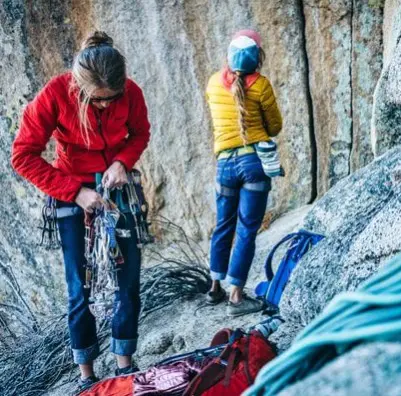

I’ll give credit where it’s due: Patagonia has been walking the sustainability talk long before it became a marketing buzzword. They’ve built their reputation on repairing, recycling, and reusing gear instead of pushing customers to buy more. That’s not charity—it’s good business with a backbone.
Most of their products use recycled polyester, organic cotton, or other lower-impact materials. Do I wish they ditched synthetics altogether? Absolutely. But at least they’re transparent about what they use and why, which is more than I can say for half the so-called “eco” brands out there. Organic cotton, for instance, is grown without harmful pesticides and fertilizers, making it a less polluting alternative to conventional cotton. For the level of sustainability and quality provided, Patagonia’s products are offered at a good price, making eco-friendly options more accessible without sacrificing standards.
They’ve also committed to cutting out PFAS in new styles starting in 2025. That’s a big deal because those “forever chemicals” are everywhere in outdoor gear. I’ll be watching to see if they stick to that promise, but so far their track record gives me more confidence than skepticism.
Now, let’s not romanticize it. Patagonia still manufactures in the same low-wage countries as fast fashion giants. The difference is they publish details about their factories and labor standards instead of hiding them. It’s not perfect, but it’s refreshingly honest in an industry that thrives on smoke and mirrors.
2) Stella McCartney – Luxury with a conscience, because style shouldn’t cost the earth.
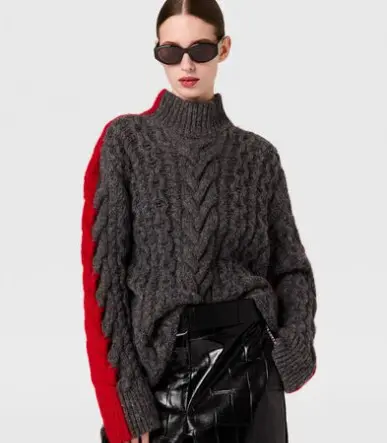
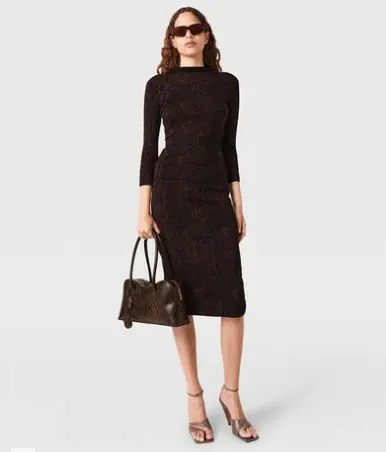
I’ll give Stella McCartney this: she actually walks the sustainability talk in a luxury industry that usually just slaps “eco” on a press release and calls it a day. Since launching her label in 2001, she’s refused to use leather or fur, which is still shocking if you look at the rest of high fashion.
Her brand leans on materials like organic cotton, recycled polyester, and plant-based materials for her luxury accessories and clothing. Is it perfect? No. But compared to the endless supply of petroleum-based fast fashion junk, it’s a step up—and at least she’s transparent about the process. Sustainable materials like organic cotton, hemp, bamboo, and Tencel are environmentally friendly alternatives to conventional fabrics, and her choices reflect that shift.
I also like that she manufactures mainly in Europe, where labor and environmental standards are higher than in the factories churning out $5 tees. Does it make her clothes expensive? Of course. But that’s the point—luxury should mean paying for quality and ethics, not just a logo.
And let’s be real: Stella’s success proves you can sell sustainable fashion without it looking like a burlap sack. If other designers can’t figure that out, maybe they’re just not trying hard enough.
3) Everlane – Radical transparency meets affordable basics, finally.
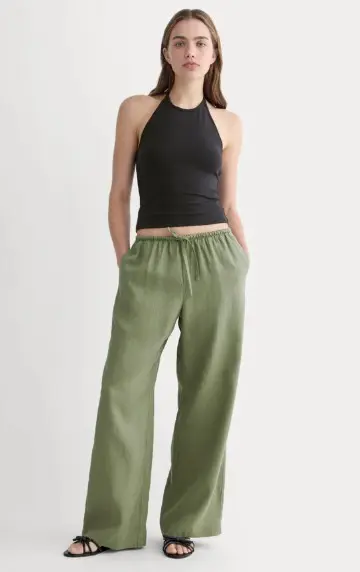
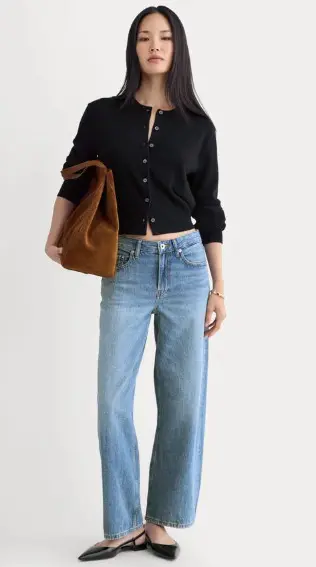
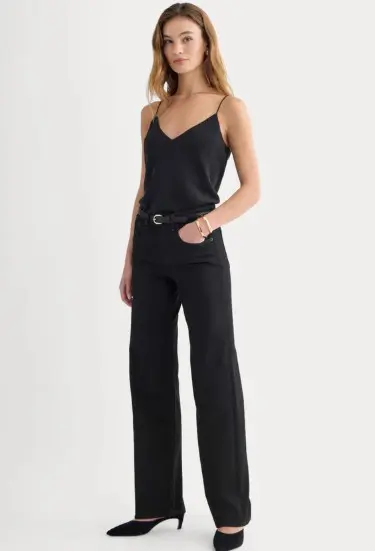
Everlane built its whole brand on “radical transparency.” Translation: they actually show you what it costs to make a t-shirt and how much they mark it up. In a fashion world full of smoke and mirrors, that’s refreshing—though let’s be honest, it’s also a clever marketing hook.
I like that they publish details about factories and labor costs. It forces other brands to squirm when asked the same questions. But transparency doesn’t automatically equal perfect ethics, and Everlane has had to answer for gaps in its own labor and sustainability record.
The clothes themselves? Minimalist basics—jeans, tees, sweaters—that don’t scream “eco-warrior,” but at least they’re not chasing fast-fashion trends. Their curated collection of minimalist basics appeals to consumers seeking both style and sustainability. Prices land in that sweet spot: not dirt cheap, not luxury, but reasonable enough that you don’t feel like you’re buying into a scam.
I’ll give them credit: they’ve pushed the conversation forward. But I still keep my accountant’s eye on the fine print. Radical transparency is great, as long as it doesn’t turn into radical marketing spin. The slow fashion movement, which encourages buying fewer, high-quality pieces that last longer, aligns with this approach and helps reduce waste in the fashion industry.
I’ll give Reformation this: they actually put their money where their marketing is. They track their environmental impact, publish sustainability reports, and use eco-friendly fabrics like Tencel and organic cotton. That’s more than I can say for half the “green” brands tossing buzzwords around.
4) Reformation – Trendy, eco-friendly, and not afraid to shout about it.


But let’s be real, they also love to brag. Every dress comes with a breakdown of water saved, carbon offset, and energy use. Helpful? Yes. Subtle? Not even close. Still, I’d rather see too much transparency than none at all.
Their style is what keeps people coming back. Think fitted dresses, playful prints, and basics that don’t scream “I shop at the co-op.” They’ve nailed the balance of trendy and sustainable without sliding into the hemp-sack stereotype. While Reformation is known for its on-trend pieces, they also offer timeless designs—high-quality, durable clothing that can be worn season after season, supporting sustainability by reducing waste and encouraging long-lasting wardrobes.
That said, prices aren’t exactly budget-friendly. You’re paying for the mix of style, sustainability, and branding. Personally, I’d rather spend a little more on something that isn’t wrecking the planet than buy three cheap polyester knockoffs. At least with Reformation, I know what I’m getting into.
5) Allbirds – Sneakers that actually give a damn about carbon footprints.
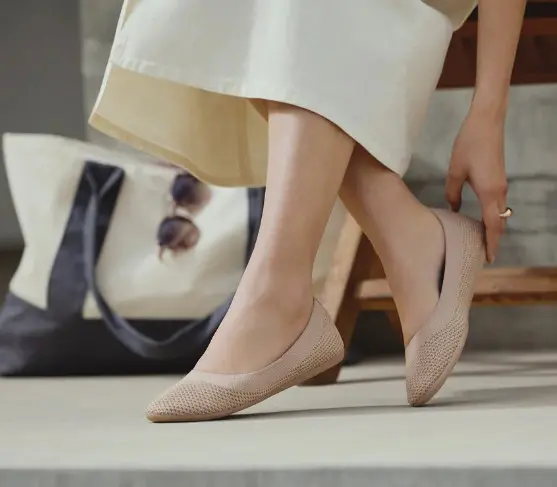

I’ll admit it: when I first heard about shoes made from wool and tree pulp, I rolled my eyes. But Allbirds actually backs it up with numbers, not just fluffy marketing. They slap a carbon footprint label right on their products, which is more than most brands dare to do. Allbirds is also committed to using natural materials in their footwear, like responsibly sourced wool and plant-based fibers, to emphasize sustainability and product quality.
They’re also reworking waste. Some of their newer lines use leftover textile and foam scraps that would otherwise head straight to a landfill. That’s not glamorous, but it’s practical—and I respect practical.
Allbirds has a goal of getting near zero carbon by 2030. I’ll believe it when I see it, but at least they’ve put a real target on the table instead of vague “someday” promises.
And yes, they’re a certified B Corp, which means they’ve jumped through actual accountability hoops. That doesn’t make them saints, but it does mean they’ve opened their books a little more than the average sneaker peddler.
Do I think they’re perfect? No. They’ve even faced lawsuits over whether their sustainability claims are as squeaky clean as advertised. But compared to the usual fast-fashion nonsense, Allbirds is at least walking—not just talking—the low-carbon walk.
6) Tentree – Plants ten trees for every item sold, talk about walking the talk.
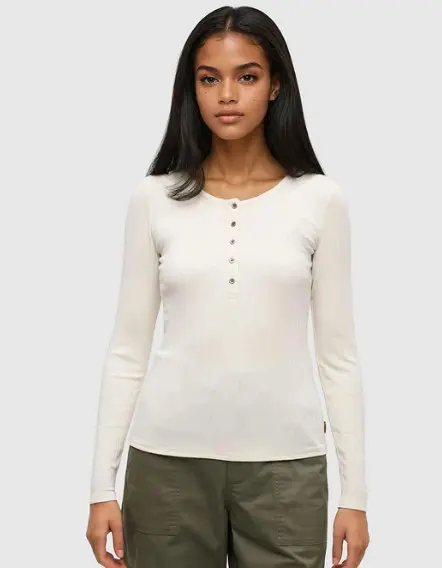
I’ll give credit where it’s due: Tentree actually puts its money where its mouth is. For every hoodie, tee, or pair of joggers you buy, they plant ten trees. Not a vague “portion of proceeds” nonsense—ten trees, period. That’s a measurable promise, and I like numbers that add up.
They’ve already planted well over 100 million trees, which is no small feat. And unlike some brands that slap a green label on polyester and call it a day, Tentree uses organic cotton, hemp, and recycled fibers. Tentree also collaborates with local artisans, supporting community development and skill-building while creating unique, sustainable products. Do they still make stuff you probably don’t need? Sure. But at least the footprint is lighter.
I also appreciate the transparency. Each product comes with a code so you can track where your trees go. It’s not perfect, but it beats the black hole of “trust us” that too many companies lean on.
Let’s be real—buying new clothes will never be the most sustainable choice. But if you’re going to spend money on a sweatshirt anyway, I’d rather it come with ten trees in the ground than ten excuses in a press release.
7) Girlfriend Collective – Inclusive sizing and recycled fabrics, no excuses.
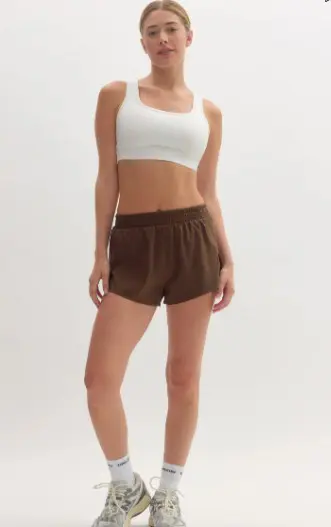
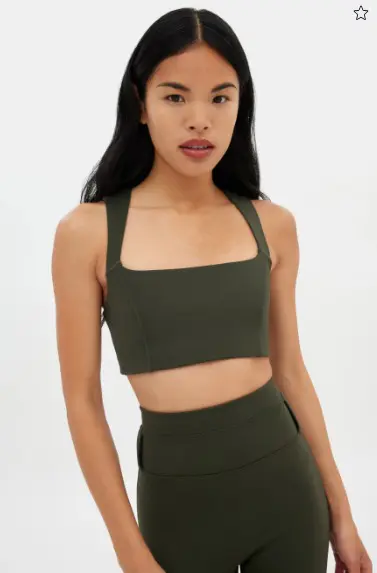
I like brands that don’t just talk about sustainability but actually show receipts. Girlfriend Collective makes activewear out of recycled plastic bottles and fishing nets, demonstrating a strong commitment to using eco conscious materials in their products. And yes, that’s a better use than floating in the ocean. They’ve been doing this since 2016, so it’s not just a trendy afterthought. Zero-waste manufacturing, which optimizes material use to eliminate waste, is another approach that aligns with their ethos.
What I also notice is their sizing. XXS to 6XL is not a token gesture—it’s a real range. Most “inclusive” brands stop at XL and call it a day. Girlfriend Collective doesn’t play that game, and I respect that.
Of course, recycled fabric isn’t a magic wand. Turning plastic into leggings doesn’t erase fashion’s environmental footprint. But compared to big-name athleisure brands that crank out polyester like there’s no tomorrow, this is a step in the right direction.
They also push transparency in their supply chain, which is refreshing. I don’t have to dig through vague marketing fluff to figure out where and how their stuff is made. For me, that’s the bare minimum any brand should meet—but apparently, it’s still rare.
So, do I think they’re perfect? No. Do I think they’re better than 90% of the activewear market? Absolutely.
8) Eileen Fisher – Timeless pieces with serious ethical creds.
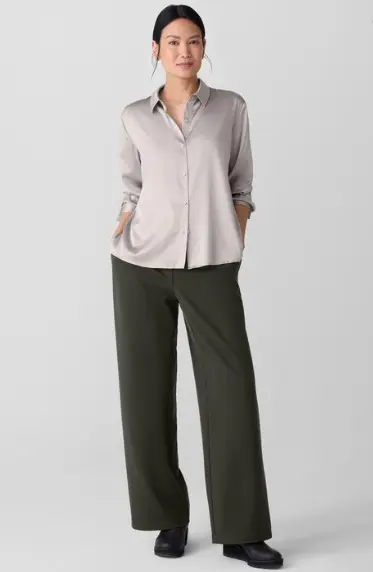
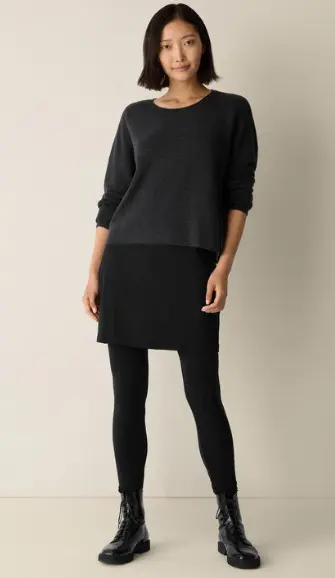
I’ll give Eileen Fisher this: they were talking sustainability before it was the trendy buzzword slapped on every polyester “eco” dress at the mall. The brand has been around since the 80s, and unlike most fashion houses, they’ve actually stuck to their values.
They use organic cotton, linen, and recycled fibers—real materials that don’t scream landfill in six months. I like that they design clothes with a focus on timeless design, so their pieces remain stylish and relevant for years, not just seasons. That’s smart business and smarter for my closet.
Yes, the price tags make some folks choke. But when you factor in fair labor, quality fabrics, and the fact that you’re not buying five replacements from fast fashion, the math checks out. As a CPA, I call that cost per wear, and Fisher usually wins.
They also run a take-back program where old pieces get resold or upcycled into new textiles. That’s not lip service—it’s actual circular design in action. And frankly, I wish more brands would copy that instead of just posting vague “we care” statements. Many fashion brands are adopting circular design principles to create long-lasting garments, and it’s a trend that deserves more attention.
9) Veja – Sneakers made with organic cotton and wild rubber, no plastic nonsense.
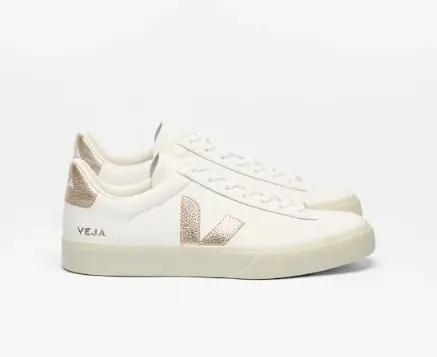
I’ve seen plenty of brands brag about “eco-friendly” sneakers while quietly stuffing them with plastic. Veja isn’t perfect, but at least they cut the gimmicks and actually use organic cotton, wild Amazonian rubber, recycled materials, and plant-based dyes in a way that matters. That’s a baseline, not a marketing stunt.
I like that they work with fair trade cotton from Brazil and Peru, instead of the usual mystery supply chains. Transparency isn’t sexy, but it’s rare in fashion, so I’ll take it. And yes, they even publish emissions data—something most sneaker giants wouldn’t touch with a ten-foot pole.
Do they make vegan shoes? Yes. And unlike some “vegan” sneakers that are basically plastic wrapped in green buzzwords, Veja uses plant-based and recycled materials that don’t scream oil refinery. That’s the kind of detail I actually care about.
Are they cheap? No. But if you want sneakers that don’t make you feel like you just funded deforestation or sweatshops, you’ll pay a little more. I’d rather spend on that than another pair of plastic kicks pretending to be sustainable.
10) People Tree – Fair trade pioneers who keep it real since forever.
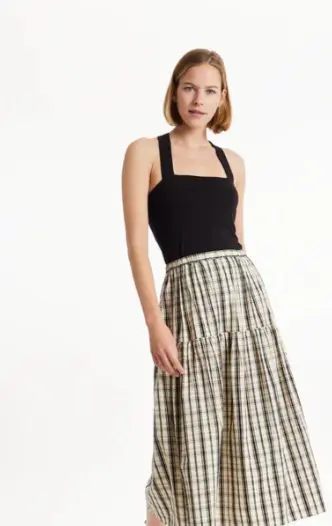
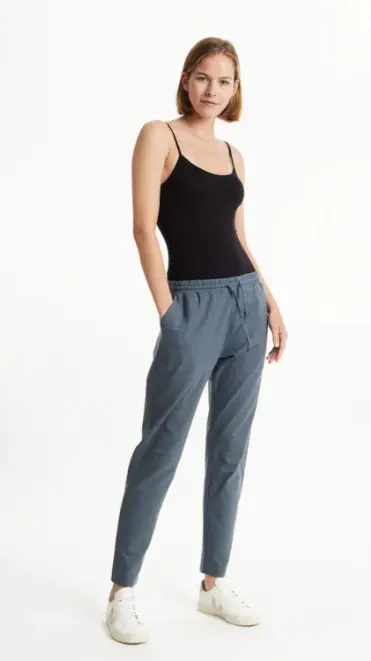
I’ve been watching People Tree for years, and unlike half the “sustainable” labels popping up lately, they didn’t just jump on the eco bandwagon last season. They’ve been doing Fair Trade since the early ’90s, back when most fashion execs couldn’t spell “sustainability.”
What I like is that they don’t just slap a “green” tag on a cotton tee and call it a day. They actually work with Fairtrade-certified farmers and artisans, producing handmade products using traditional techniques. These artisans are treated fairly, receiving equitable wages and working in safe conditions. That’s not charity—it’s basic respect for labor.
They also earned recognition from the World Fair Trade Organization, which isn’t some fluffy marketing badge. It means they stick to standards on pay, transparency, and environmental practices. Translation: they walk the talk, unlike plenty of brands hiding behind glossy sustainability reports.
Do I love every design they put out? No. Sometimes the prints feel a little too “yoga retreat chic” for my taste. But I’d rather buy something slightly quirky than support fast fashion that treats people and the planet like disposable line items. At least with People Tree, I know the math adds up.
What Actually Makes a Fashion Brand Sustainable?
I don’t hand out gold stars for vague “eco-friendly” labels. If a brand wants to call itself sustainable, it needs to back it up with clear proof about its practices, its materials, and how it treats the people actually making the clothes. Ethical brands are those that prioritize social and environmental responsibility, ensuring fair labor practices and sustainable materials. Supporting ethical brands is crucial for real sustainability because it encourages companies to make a positive impact beyond just marketing claims. Anything less than that is just marketing fluff.
Transparency: Beyond Buzzwords
If a brand can’t tell me where its clothes are made, who made them, and what went into them, I don’t buy the “sustainable” act. Transparency should be the bare minimum, not a bonus. Consumer demand for sustainable products is increasing, with many seeking brands that provide transparency about their supply chains. A responsible brand will always provide clear, accessible information about its supply chain and practices.
I look for brands that publish factory lists, wage data, and environmental reports—not some polished “Our Mission” page. If they only offer vague promises like “we care about the planet,” that’s a red flag.
Here’s the thing: real transparency means numbers, third-party audits, and ugly truths. If a brand admits it still has work to do but shows the data, I’ll take that over glossy greenwashed ads any day. Hiding behind buzzwords is easy. Sharing receipts is harder—and that’s exactly why it matters.
Materials and Supply Chain Scrutiny
“Organic cotton” on a tag doesn’t mean much if the rest of the supply chain is a mess. I want to know if the fabric is grown responsibly, dyed without toxic chemicals, and shipped in a way that doesn’t rack up a giant carbon footprint. I look for brands that use organic materials and organic fabrics, especially those made from natural fibers like linen, cashmere, and alpaca, which are known for their durability and lower environmental impact.
Materials matter, but so does the entire chain. A brand using recycled polyester while churning out fast-fashion volumes isn’t sustainable—it’s just clever marketing. I check if they use certifications like the Global Organic Textile Standard (GOTS), Fair Trade, or OEKO-TEX, and whether their products are bluesign certified to ensure environmentally responsible manufacturing processes. These certifications guarantee that organic fabrics and natural fibers meet strict environmental and social standards. I also look for brands cutting waste with things like take-back programs or resale platforms.
If they can’t trace their raw materials back to the source, then we’re basically trusting a mystery supply chain. Spoiler: mystery usually means business-as-usual pollution and exploitation.
Ethical Labor Practices—No Excuses
I don’t care how “eco” your fabric is if the workers sewing it are underpaid and unsafe. Labor practices are non-negotiable. A brand that claims sustainability but hides its factory conditions is just slapping a green sticker on exploitation.
What I want to see: living wages, safe conditions, ethical manufacturing standards, and proof of worker protections. Not minimum wage. Not “we’re working on it.” Actual commitments to ethical production practices, ideally verified by independent groups.
And let’s be clear—outsourcing responsibility to shady subcontractors doesn’t cut it. Brands love to say they “can’t control” every supplier. Translation: they don’t want to pay what ethical production actually costs. If they’re serious about sustainability, they’ll take responsibility for every step, every worker, every paycheck, and ensure their production practices are responsible and transparent.
The Dark Side: How Fast Fashion is Trashing the Planet
Here’s what we need to talk about: fast fashion isn’t giving us the vibe we actually want. Think about it—the fashion industry is churning out mountains of cheap, disposable pieces at lightning speed, and honestly? The result is a tidal wave of waste, pollution, and carbon emissions that’s anything but chic. We’re looking at billions of garments hitting landfills every year, plus enough microplastics from synthetic fabrics to seriously mess with our oceans. That’s not the aesthetic we’re going for.
But here’s the thing—it’s not just our planet paying the price. Fast fashion’s obsession with rock-bottom costs means garment workers (often women in developing countries) are dealing with grueling hours, unsafe conditions, and wages that barely cover the basics. Fair labor practices? Not even close to being part of the equation. This industry’s addiction to cheap and fast leaves zero room for eco-friendly materials or ethical production—and that’s not the kind of supply chain we want to support.
The good news? Truly sustainable brands are absolutely nailing it with recycled materials, waste reduction, and fair labor practices throughout their entire supply chains. But as long as fast fashion dominates the game, those environmental and human costs will keep climbing. If you’re ready to curate a wardrobe that actually aligns with your values, it’s time to ditch the fast fashion habit and back brands that deliver on both style and substance. Because honestly, you deserve pieces that feel good to wear and good to buy.
Why Your Choices Matter: The Power of the Conscious Consumer
Think your shopping habits don’t matter? Honestly, think again. Every time you choose sustainable clothing over fast fashion, you’re basically sending the chicest message to the entire fashion industry. When you buy from sustainable clothing brands that use organic cotton, recycled polyester, and eco friendly materials, you’re voting for a future where fair trade and ethical production are the vibe—not some distant dream.
It’s not just about what you buy, but how you curate your closet. Building a capsule wardrobe? Yes, please. Shopping second-hand or repairing your favorite jeans instead of tossing them—these choices are both stylish and smart, shrinking your environmental footprint while pushing the industry towards more sustainable materials and practices that actually deliver. Many fashion brands are already tuning in, ramping up their use of recycled fabrics and fair labor standards because consumers like you demand it—and honestly, it’s about time.
Supporting responsible clothing brands isn’t just good for your conscience—it’s a real power move for change. The more we back ethical production and sustainable materials, the faster the industry will shift toward something that feels both chic and conscious. So yes, your choices matter. In fact, they might matter more than you think—and look better doing it.
The Real Impact of Supporting Sustainable Fashion Brands
When I decide where to spend my money, I want proof that it actually makes a difference. Fashion is one of the dirtiest industries out there, but real sustainable brands are cutting waste, lowering emissions, and paying workers fairly. The impact shows up in hard numbers and in how consumer choices shift the market.
Supporting sustainable fashion brands creates a positive impact by promoting more sustainable clothing, encouraging ethical labor practices, and inspiring consumers to make sustainable lifestyle choices that reduce waste and benefit the environment.
Environmental Footprint: Numbers Don’t Lie
The fashion industry dumps about 92 million tons of waste every year. That’s not a typo. Most of it ends up in landfills or burned, and both options are environmental nightmares. When a brand uses recycled fibers, organic cotton, or closed-loop systems, it reduces that pile of trash in a measurable way.
I don’t buy the “every little bit helps” line unless the data backs it up. For example:
- Water use: Organic cotton cuts water consumption by up to 90% compared to conventional cotton.
- Carbon emissions: Switching to renewable energy in production slashes emissions by double-digit percentages.
- Waste diversion: Take-back programs keep thousands of garments out of landfills each year by addressing post consumer waste and considering the entire life cycle of clothing. Brands are increasingly designing garments for longevity, repairability, and recyclability, promoting circularity and reducing environmental impact.
So yes, the numbers matter. They prove that sustainable fashion isn’t just a marketing buzzword—it’s a quantifiable shift away from the industry’s worst habits.
Why Your Dollars Matter More Than You Think
I don’t care how “eco” a brand claims to be if no one’s actually buying their clothes. Money is the loudest vote we have. Every purchase tells companies what to make more of, and trust me, they listen when sales are on the line.
Our fashion choices matter—by choosing to buy fewer, higher-quality pieces, we send a clear message that mindful consumption and sustainability are priorities, pushing the industry toward more responsible practices.
When I support a brand that’s transparent about its supply chain, I’m not just buying a shirt—I’m funding fair wages and safer working conditions. That ripple effect is real. Workers get paid, communities improve, and shady factories lose business.
Let’s be blunt: if we keep throwing cash at fast fashion, they’ll keep pumping out cheap polyester junk. But if enough of us shift even a fraction of our spending, sustainable brands gain market share. That’s when the big players start copying them—not out of ethics, but out of survival. And honestly, I’ll take it.
What’s Next? The Future of Sustainable Fashion
The future of sustainable fashion? It’s looking seriously impressive—and way more innovative than you might think. Look, more people are finally waking up to what the fashion industry has been doing to our planet (and honestly, it’s about time), and the response from brands has been pretty incredible. We’re talking sneakers crafted from recycled plastic bottles, high-tech fabrics that slash water and energy use, and sustainable materials that aren’t just for the eco-warriors anymore—they’re becoming the new normal. And that’s the vibe we’ve been waiting for.
Technology is totally shaking things up, and I’m here for it. 3D printing and digital design are making custom pieces with way less waste actually possible, while closed-loop production systems and take-back programs are keeping your favorite pieces out of landfills where they don’t belong. Even how you shop is getting a major upgrade—clothing rental services and resale platforms are making it ridiculously easy to build a killer wardrobe without constantly hitting “add to cart” on brand new stuff.
Here’s the thing: the fashion industry is finally taking sustainability seriously, and this next wave of innovation? It’s already here and it’s pretty amazing. If you keep demanding better, more eco-friendly options that don’t compromise on style, the future of fashion could actually be something we’re all proud to wear. No sacrificing chic for sustainable—just leveling up your entire approach to getting dressed.
Final Thoughts
Sustainable fashion isn’t a perfect science—it’s a work in progress. But the brands we’ve talked about here prove that it can be done with integrity, creativity, and actual accountability. They’re not greenwashing you with recycled buzzwords; they’re building wardrobes that respect both the planet and the people behind the seams.
At the end of the day, every purchase you make is a vote. You can hand it to fast fashion giants who profit off waste and exploitation, or you can back the brands proving style and sustainability can coexist without compromise. No, you don’t have to Marie Kondo your entire closet tomorrow. But shifting even a fraction of your fashion budget toward brands that actually walk the talk? That’s where the real impact starts.
So next time you’re shopping, ask yourself: is this piece just another fairy tale in green packaging, or is it part of a future where fashion looks good, feels good, and does good? The choice is yours—and trust me, it’s one of the most stylish power moves you can make.
- About the Author
- Latest Posts
- How I Test and Recommend

Juliet is the creator of Living Wild & Green, where she researches and writes about eco-friendly living, sustainable fashion, and non-toxic home upgrades. Since 2020, she’s been curating science-backed, stylish sustainability tips and personally testing products to help thousands of readers cut through greenwashing and live greener with confidence.


