
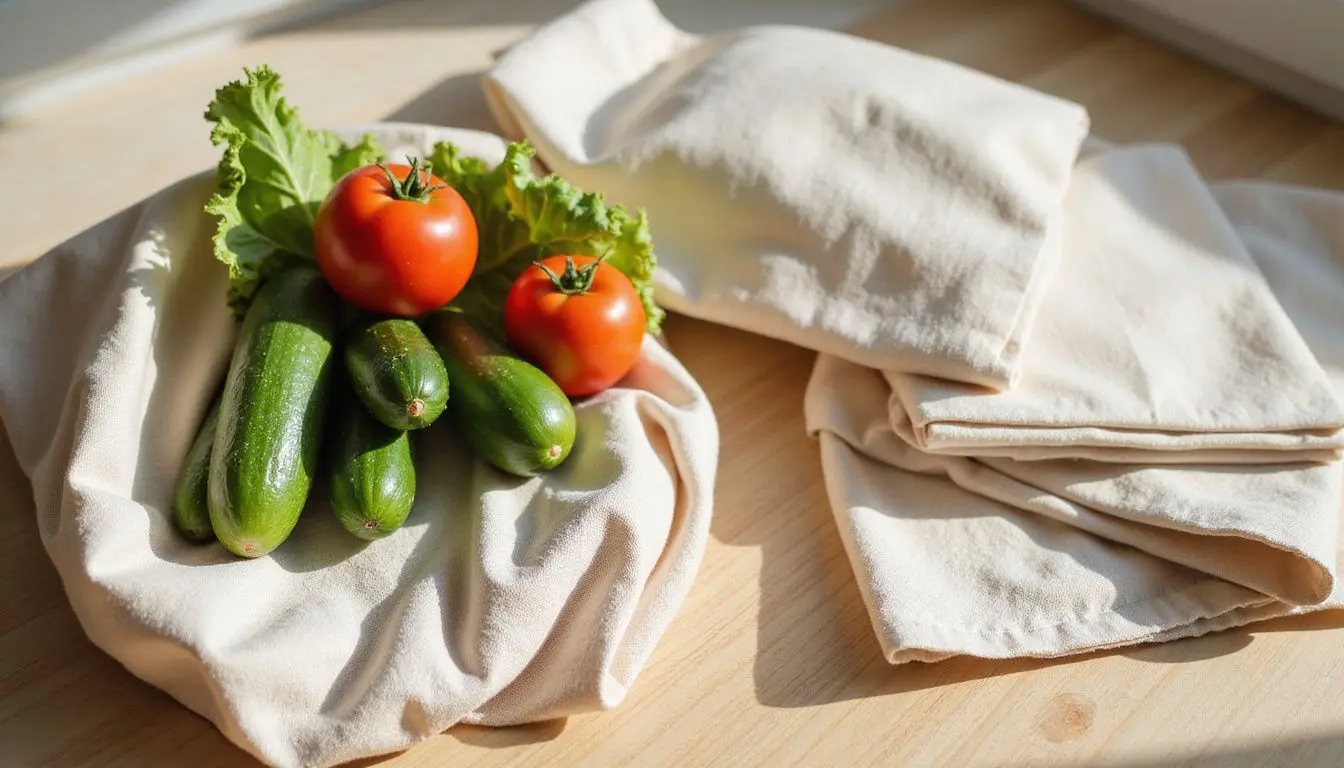
Tired of kitchen clutter and using plastic storage? It can be so frustrating. Did you know organic cotton wraps can help keep food fresh longer while cutting down on waste?
Keep reading to discover 21 eco-friendly storage solutions for your kitchen.
Key Takeaways
- Organic cotton storage solutions reduce plastic waste and keep food fresh longer. Examples include reusable produce bags, jar covers, and grocery totes.
- These items are durable, washable, and environmentally friendly. They also support sustainable farming practices by cutting down on harmful chemicals.
- DIY options like sewing organic cotton bags or using fabric glue make customizing easy. Tools like measuring tapes and irons help create neat results.
- Labeling bins or jars improves kitchen organization. Adding plants or decorative touches enhances the eco-friendly vibe while staying functional.
- Switching to organic cotton is simple and impactful for greener kitchens. It saves money over time by reducing single-use plastics.

(This post may contain affiliate links, including Amazon affiliate links. That means I may earn a small commission if you click through and make a purchase — at no extra cost to you. I only recommend products I truly love and trust.)
21 Eco-Friendly Kitchen Storage Solutions Using Organic Cotton
Here are 21 eco-friendly kitchen storage ideas that prove you don’t need plastic to stay organized.
Food & Produce Storage
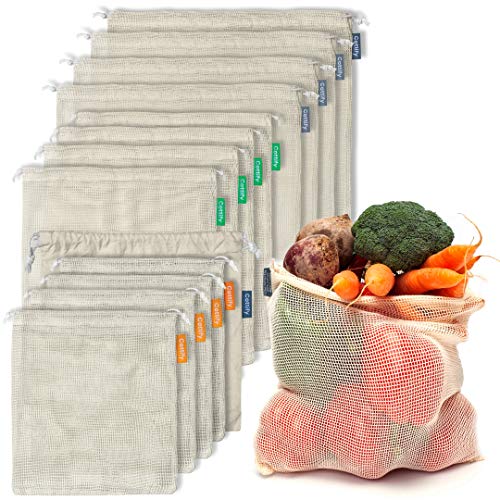
- Reusable Cotton Produce Bags — Keep fruits and veggies crisp longer with breathable, washable fabric bags.
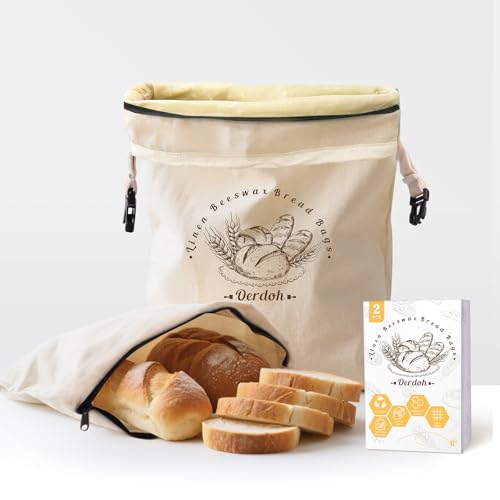
- Organic Cotton Bread Bags — Ditch plastic wrap and store loaves naturally to prevent mold.
- Cotton Bowl Covers — Replace cling film with stretchy covers for leftovers, salads, or dough.
- Organic Cotton Food Wraps — A vegan alternative to beeswax wraps that’s compostable and reusable.
- Pantry Produce Bags — Perfect for onions, garlic, or potatoes that need airflow to stay fresh.



Pantry & Dry Goods
- Cotton Jar Covers — Cover jars of grains, nuts, or snacks with breathable fabric that keeps dust out.
- Cotton Storage Bins — Organize dry goods, tea, or utensils in washable bins that look clean and natural.
- Drawstring Cotton Pouches — Label them for rice, pasta, or lentils — no more plastic bag chaos.
- Fabric-Lined Baskets — Store bread rolls, fruit, or pantry snacks while adding texture to your shelves.
- Organic Cotton Bulk-Buy Bags — Bring your own reusable bags when shopping for bulk grains or coffee beans.


Kitchen Organization
- Cotton Storage Cubes — Keep utensils, dish towels, or reusable straws tidy and accessible.
- Organic Cotton Dish Towels — Replace paper towels for good — durable, absorbent, and plastic-free.
- Cotton Drawer Liners — Freshen drawers naturally while protecting surfaces from dust or crumbs.
- Fabric Bin Covers — Hide clutter with chic cotton covers that match your kitchen vibe.
- Reusable Cotton Labels — Clip or tie small cotton tags on bins and jars for easy organization.


Cleaning & Maintenance
- Organic Cotton Cleaning Cloths — Swap microfiber rags for biodegradable cotton ones.
- Washable Cotton Mop Pads — DIY or buy reusable mop pads that you can toss in the wash.
- Cotton Mesh Laundry Bags — Keep dish towels or napkins together during washing.
- DIY Cotton Sponge Wraps — Fold scrap cotton fabric around a compostable sponge core for zero-waste cleaning.


Lifestyle & Shopping
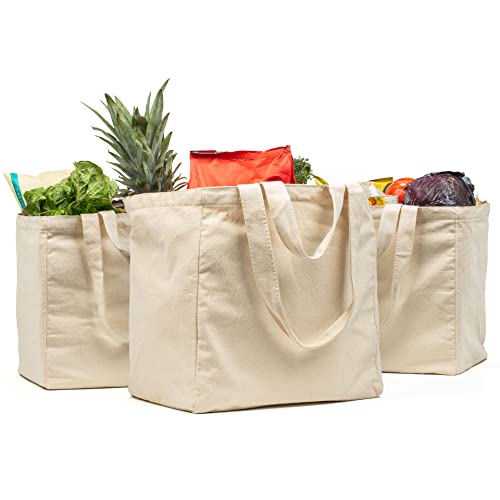
- Organic Cotton Grocery Totes — Say goodbye to plastic grocery bags forever.
- Foldable Cotton Market Bag — Lightweight, stylish, and perfect for quick store runs or farmers’ markets.
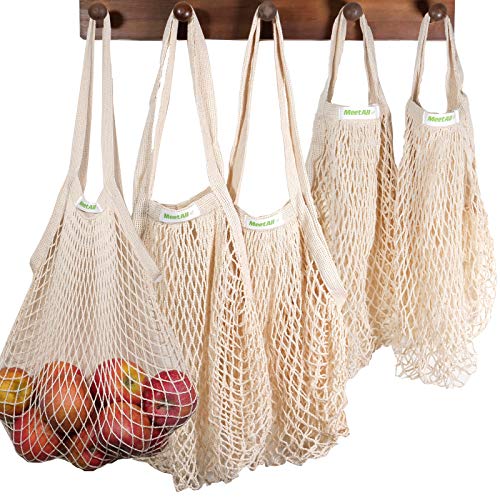
Mix and match sizes and patterns for a cohesive, minimalist look. Organic cotton storage doesn’t just reduce waste — it also makes your kitchen feel calmer, cleaner, and more intentional.
Benefits of Organic Cotton for Sustainable Kitchen Storage

Switching to organic cotton in my kitchen has made a huge difference. It’s grown without harmful chemicals, so it’s safe for storing food and better for the planet. I can reuse these solutions again and again, cutting back on single-use plastic waste like cling film or plastic bags.
This makes my kitchen greener while keeping things functional.
Organic cotton is breathable and strong, which helps keep food fresh longer. My produce stays crisp in reusable cotton bags, unlike in sealed plastic where it often wilts. Supporting organic farming also feels good—it reduces pollution and saves water compared to regular cotton farming practices.
A small switch creates big change!
Top Eco-Friendly Storage Solutions Using Organic Cotton
Organic cotton is a game-changer for keeping your kitchen tidy and waste-free. Switch to simple, reusable options that last longer and cut back on plastic clutter.
Organic Cotton Storage Bins to Reduce Plastic Use
I swapped my plastic bins for organic cotton ones, and my kitchen feels fresher. These fabric storage bags come in medium (10 x 12 inches) or large (12 x 16 inches) sizes, perfect for pantry goods or utensils.
I enjoy their simplicity and durability. They’re machine washable too, which makes cleanup a breeze.
These bins aren’t just practical; they make the shelves look tidy and natural. I use them to hold non-food items like napkins or small gadgets. Their soft texture keeps everything scratch-free while reducing waste at home.
It’s an easy step toward sustainable living that fits into daily life effortlessly!
Reusable Cotton Produce Bags for Freshness
Reusable cotton produce bags keep fruits and vegetables fresh for longer. The breathable fabric stops moisture buildup, reducing wilting or spoiling. I use lightweight drawstring bags for apples, carrots, and leafy greens in my fridge.
They’re sturdy enough to carry weekly groceries but gentle on delicate items like tomatoes.
By switching to these washable storage solutions, plastic waste drops significantly. These eco-friendly alternatives come in different sizes that fit almost any produce type—from tiny berries to large heads of lettuce.
Perfect for sustainable food storage while keeping kitchen cabinets neat!
Organic Cotton Dish Towels for Daily Kitchen Tasks
I use organic cotton dish towels every day. They soak up spills like a champ and scrub dishes without falling apart. Unlike paper towels, these don’t add to kitchen waste. Washing them in cold water keeps them fresh, and line drying saves energy.
Over time, I’ve seen how they hold up better than cheaper options.
Good-quality cotton towels feel softer yet work harder. Their durability means less money spent replacing them too. Perfect for drying flatware or wiping down salad bowls, they’re my go-to tool in the kitchen.
Fabric Storage Cubes for Organized Shelves
Fabric storage cubes make keeping shelves neat a breeze. Their soft cotton material protects tools while adding charm to any drawer or surface. I love how they come in different colors and patterns, which lets me match them with my kitchen style.
These cubes are practical for storing utensils, measuring spoons, or even small gadgets.
Since they’re machine washable, cleaning up spills isn’t a hassle. They also help reduce the need for plastic bins and fit sustainable living goals perfectly. With their durability and visual appeal, these storage solutions can transform cluttered shelves into organized spaces anyone would admire.
Organic Cotton Grocery Totes for Shopping Trips
I no longer use plastic bags during my grocery runs. Organic cotton totes are my go-to choice. These reusable alternatives hold heavy items without tearing, and I appreciate their durability.
They come in different sizes, so I always have the right one for every shopping trip.
Cleaning them is a breeze since they’re washable. The designs allow me to show off some style while cutting down on waste. Every time I shop with these totes, I avoid single-use plastics cluttering up drawers or landfills.
It’s simple yet effective for sustainable living!
Eco-Friendly Pantry Jars with Cotton Covers
Organic cotton jar covers keep pantry goods fresh. The breathable fabric works great for storing grains, snacks, or pasta. I use medium bags (10 x 12 inches) for nuts and large ones (12 x 16 inches) for rice.
These jars cut back on plastic waste and fit neatly in my kitchen.
The covers are washable and durable, making them perfect for daily food storage solutions. Their snug fit seals out dust while allowing airflow to prevent moisture buildup. They look nice too, blending well with the rest of my sustainable living setup!
Equipment Needed for DIY Organic Cotton Storage
Crafting your own storage solutions is easy and fun with the right tools, so grab your supplies and get creative!
Sewing Machines for Crafting Storage Solutions
I use my sewing machine to craft durable, reusable storage solutions. It helps me make organic cotton bags, bins, and covers that fit perfectly in my kitchen. With it, I can sew strong seams for long-lasting use.
Adjusting the settings lets me work with different fabrics like linen or cotton blends. A quality machine saves time and avoids uneven stitches. For example, I once made a set of produce bags in just one afternoon!
Scissors for Precision Cutting
Sharp scissors are essential for clean, precise cuts. Using these helps organic cotton fit perfectly into jars or bins without messy edges.
A good pair of fabric scissors makes cutting smooth and easy. Dull blades can snag the material, wasting time and fabric. I prefer using sharp stainless steel ones; they glide through cotton like butter.
This step might seem small but plays a big role in creating neat storage solutions that look polished and last longer.
Measuring Tape for Perfect Fit
A measuring tape is my go-to tool for sizing kitchen spaces. It makes finding the perfect fit for storage solutions easy and accurate. I use it to check shelf widths, drawer depths, or pantry heights.
This step saves me from buying items that don’t work.
For DIY projects with organic cotton, precise measurements are key. Cutting fabric without checking twice wastes time and materials. With a simple roll of measuring tape in hand, I can craft reusable bags or covers that match my needs perfectly.
Fabric Glue for Quick Fixes
Fabric glue is my go-to for quick fixes. It works wonders when sewing isn’t an option or time is tight. I’ve used it to repair small tears on cotton storage bags and secure loose seams in reusable grocery totes.
It dries fast, saving me from pulling out a needle and thread. If a pantry jar’s cotton cover starts fraying, just a dab keeps it neat and tidy. No need for extra tools, just apply straight from the tube!
Irons for Smooth Finishes
I use an iron to keep my organic cotton items crisp and neat. Wrinkles can make storage bags or dish towels look messy, so a quick press helps everything look sharp. It also keeps the fabric durable for daily use in the kitchen.
A warm iron works wonders after washing cotton covers or grocery totes. It smooths out creases and makes them easier to fold or store. Next, tools like label makers help bring those finishing touches for easy organization!
Label Makers for Clear Organization
Label makers save so much time in the kitchen. I use them to mark jars, bins, and even breathable storage bags. It makes finding food or dinnerware quick and easy. Clear labels mean no guessing what’s inside a container.
They work great for pantry jars with cotton covers too. Adding neat tags helps me keep things sorted by type, like grains or spices. Organizing items this way reduces chaos and keeps everything functional daily!
Tips for Implementing Organic Cotton in Your Kitchen Storage
Start small with easy projects like produce bags or jar covers. Choose colors and patterns that match your kitchen vibe, so it feels personal and fun!
Choosing Organic Cotton Fabrics
I always check for GOTS certification on organic cotton fabrics. It guarantees the material is grown without harmful chemicals and meets strict environmental standards. This ensures my kitchen storage stays truly sustainable.
Breathable materials like organic cotton work wonders for food storage. They help keep produce fresh longer by reducing moisture buildup, unlike synthetic options. Next, I focus on measuring spaces efficiently to maximize organization.
Measuring Kitchen Spaces Efficiently
I grab a measuring tape and start with the countertops. Small spaces matter, so I note every inch. Cabinets get measured inside and out; this helps me pick storage bins or jars that fit like a glove.
For shelves, I check both height and depth to avoid wasted space.
Using sticky notes, I mark tricky spots under the sink or in tight corners. This way, no area goes unused. Accurate measurements save money by helping me choose perfect food storage solutions or reusable alternatives like breathable cotton bags.
It keeps my kitchen organized without guessing games!
Deciding on the Types of Storage Needed
After measuring kitchen spaces, I decide what types of storage fit best. I think about the items in my kitchen first. Fresh produce needs breathable storage bags, like reusable cotton ones.
Dry goods like rice or pasta work well in jars with organic cotton covers.
Sizes matter too. Small containers hold loose spices; larger bins store flour or cereal. For shelves, fabric storage cubes keep things tidy and easy to grab. Grocery totes made from durable materials help on shopping days while doubling as extra food preservation space at home.
Keeping it simple makes organizing easier!
Creating a Mood Board for Design Inspiration
I like to start with gathering ideas from magazines, websites, or even nature. For my kitchen storage, I focus on sustainable living and breathable storage bags. Pictures of colorful organic cotton produce bags or earthy tones in fabrics can inspire me.
Cutting out photos or saving digital images helps create a clear vision. Mixing textures like durable linens with soft cotton adds depth. I also add simple sketches for organizing kitchen shelves or food preservation setups.
This step makes it easier to match materials and plan functions before moving forward into sewing the items or buying ready-made options.
Sewing or Buying Organic Cotton Items
I prefer sewing my organic cotton items. It gives me control over the size, design, and details. For example, I made small breathable storage bags for fruits and vegetables using scraps of organic cotton fabric.
A sewing machine helps speed up the process, but hand-stitching works too.
If DIY isn’t your thing, buying ready-made options is simple. Many eco-friendly shops sell durable materials like organic cotton grocery totes or food preservation covers online. These reusable alternatives are affordable and long-lasting, making them a smart choice for sustainable living in kitchens everywhere.
Organizing Items for Optimal Functionality
Storage bins make my kitchen tidier. I use organic cotton storage bins to cut down on plastic and keep everything in place. Reusable produce bags help me store fruits and veggies while keeping them fresh longer.
They’re breathable, so no more moldy surprises at the back of the fridge.
Drawer organizers are lifesavers for utensils and smaller items. Organic cotton liners keep drawers clean without adding waste. Labeling each bin or bag simplifies my cooking routine.
Everything has its spot, making food prep feel less like a scavenger hunt!
Labeling for Easy Access
Labeling can make life in the kitchen so much smoother. I use a label maker to mark cotton bags, bins, and jars clearly. This helps me grab what I need without guessing or wasting time.
A simple “rice,” “beans,” or “coffee” tag saves me plenty of effort daily.
Durable labels last longer and stay neat even with heavy handling. It’s like giving each item its own name tag! Bright, bold text works well for harder-to-see places like high shelves.
Clear labels keep everything organized, reducing clutter in no time flat.
Next up: adding plants for extra charm while staying eco-friendly!
Adding Decorative Elements like Plants
I like adding small potted plants to brighten my kitchen. A simple herb planter on the windowsill works great. It doubles as food storage by keeping fresh herbs handy for cooking.
Hanging cotton bags with dried flowers or lavender adds charm and a soft scent. Using breathable storage bags made of organic cotton pairs perfectly, helping organize items while staying eco-friendly.
Next, let’s talk about sharing this setup on social media!
Sharing Your Eco-Friendly Setup on Social Media
After adding plants to brighten up my kitchen, I love snapping a few photos. Sharing these on social media feels rewarding. My friends get inspired by the breathable storage bags and organic cotton bins I use daily.
I write about how switching to sustainable alternatives makes food storage easier. By using hashtags like #SustainableLiving or #ReusableAlternatives, more people can find eco-friendly ideas.
It’s my way of spreading awareness without saying too much!
Conclusion
Organic cotton makes kitchen storage simple and green. It keeps food fresh, reduces waste, and cuts down plastic use. Small changes, like using cotton bags or towels, lead to big benefits for the planet.
I’ve found these swaps easy to start and worth every step. Let’s keep kitchens clean, organized, and eco-friendly!
FAQs
1. What makes organic cotton a good option for food storage?
Organic cotton is breathable, durable, and free from harmful chemicals. It helps preserve food naturally while offering a sustainable alternative to plastic bags.
2. Can I use silicone bags alongside organic cotton solutions?
Yes, silicone bags are another excellent reusable alternative. They work well for liquid or airtight storage needs, complementing the breathable properties of organic cotton.
3. How do these eco-friendly storage options support sustainable living?
They reduce waste by replacing single-use plastics with long-lasting materials like organic cotton and silicone. This shift promotes better habits in food preservation and aligns with sustainable alternatives.
4. Are there specific foods that store best in breathable storage bags?
Yes, items like bread, fruits, and vegetables benefit most from breathable storage bags made of organic cotton since they allow airflow without drying out the food.
- About the Author
- Latest Posts
- How I Test and Recommend

Juliet is the creator of Living Wild & Green, where she researches and writes about eco-friendly living, sustainable fashion, and non-toxic home upgrades. Since 2020, she’s been curating science-backed, stylish sustainability tips and personally testing products to help thousands of readers cut through greenwashing and live greener with confidence.