
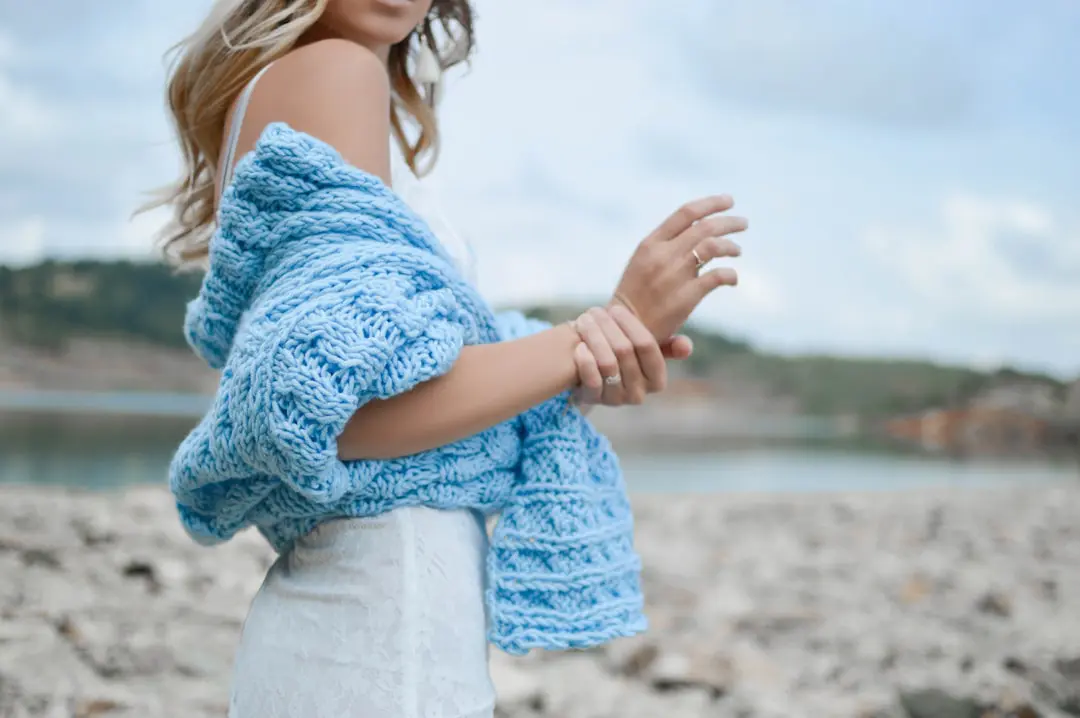
Sustainable fashion in 2026 isn’t just a buzzword—it’s the standard. The biggest trends focus on eco-friendly materials, smarter production methods, and timeless designs that outlast fast fashion cycles. The current landscape of sustainable fashion in 2026 is defined by dynamic market shifts, with industry leaders driving innovation and setting new benchmarks for responsible practices.
Style no longer comes at the expense of the planet, and that shift is shaping everything from fabrics to shopping habits.
Designers are embracing bio-engineered textiles and smart fabrics that balance innovation with responsibility. Color palettes and silhouettes reflect both individuality and environmental awareness. Among the emerging trends are advancements in AI-driven design, biodegradable textiles, and evolving consumer behaviors that are reshaping the future of sustainable fashion.
The industry’s not just playing with aesthetics—it’s actively rethinking how clothing is made, worn, and kept in circulation.
At the same time, sustainability has moved into the mainstream, influencing consumer choices and brand strategies alike.
From global collaborations to regional highlights, the fashion landscape in 2026 shows how style and sustainability can work together without compromise.
Defining Sustainable Fashion Trends in 2026
The key trends shaping sustainable fashion in 2026 are defined by innovation and responsibility, highlighting the most important and influential developments in the industry. Style choices reflect personal expression and environmental impact.
Designers and consumers focus on durability, ethical production, and smarter use of resources instead of fleeting aesthetics.
Key Characteristics of 2026 Trends
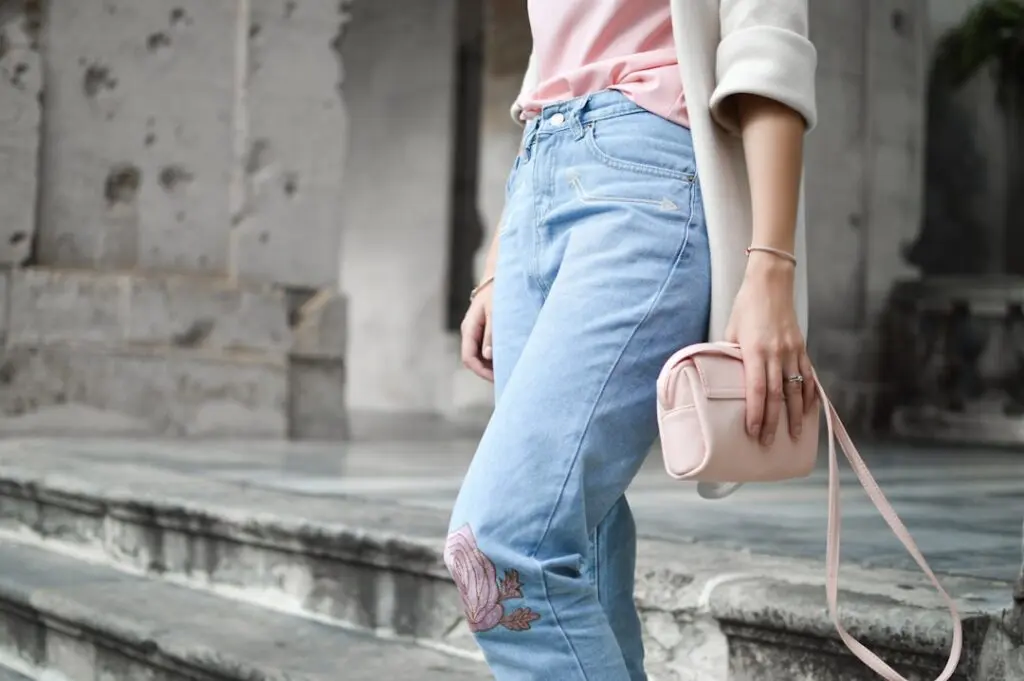
The year 2026 emphasizes seasonless wardrobes—clothing designed to work across climates and occasions. This reduces the need for constant new purchases.
Instead of chasing micro-trends, people invest in versatile staples that last.
Materials play a central role. Smart textiles made from recycled fibers, plant-based leathers, and biodegradable fabrics dominate collections.
According to 2026 fashion forecasts, these innovations aim to cut waste while keeping performance and comfort high.
Color palettes lean toward earthy tones, reflecting a connection to nature and the push for eco-conscious choices.
Even denim, a historically resource-heavy fabric, sees transformation through new sustainable dyeing and weaving methods.
Minimal packaging, digital fashion previews, and rental services also become mainstream.
Together, these features define a shift from “fast” to “thoughtful” fashion.
Evolution from Previous Years
The shift didn’t happen overnight. By the early 2020s, sustainability was a buzzword, but it often felt like a marketing add-on rather than a core principle.
Fast fashion still dominated, and “greenwashing” blurred consumer trust.
Now, in 2026, sustainability is embedded, not optional. Brands that once dabbled in eco-collections now build entire lines around recycled fabrics, closed-loop systems, and carbon tracking.
Reports show that sustainable strategies are no longer niche but expected by consumers.
Technology sped up the transition. AI-driven forecasting reduced overproduction, while blockchain improved supply chain transparency. The industry’s practices and innovations have played a crucial role in shaping the evolution of sustainable fashion, setting new standards for environmental responsibility.
Compared to 2020’s trial-and-error phase, today’s practices feel systematic and measurable.
Environmental Impact of Fashion
The environmental impact of the fashion industry is both vast and urgent. From the fields where cotton is grown to the factories where clothing is sewn, every step leaves a mark on the planet. The World Bank estimates that fashion accounts for around 10% of global carbon emissions—surpassing the combined output of all international air travel and shipping.The production of synthetic fibers like polyester and nylon adds to this burden, releasing greenhouse gases and contributing to microplastic pollution.
Water usage is another major concern. Cotton, a staple in many wardrobes, is one of the most water-intensive crops, and dyeing processes often pollute rivers and waterways. The result? A cycle of waste and environmental degradation that can no longer be ignored.
In response, many fashion brands are adopting sustainable practices to reduce their environmental impact. The use of recycled materials is on the rise, with brands turning old textiles and plastics into new clothing. Eco friendly production methods, such as closed-loop water systems and low-impact dyes, are becoming industry standards. Technological advancements like artificial intelligence and blockchain technology are also making a difference, improving supply chain transparency and helping brands reduce waste at every stage. As the industry evolves, these sustainable solutions are setting a new benchmark for responsible fashion worldwide.
Eco-Friendly Materials and Textile Innovations
Sustainable fashion in 2026 is less about flashy gimmicks and more about grounded progress. The focus falls on fibers and fabrics that reduce waste, cut chemical use, and rethink how clothes are made from the ground up.
Advances in sustainable materials are driving innovation in fashion design, resulting in more eco-conscious and technologically advanced clothing.
Organic and Regenerated Fibers Emerging Trends
1. Organic cotton, hemp, and linen keep showing up strong, but the real buzz is in regenerated fibers. Lyocell and modal, made from responsibly sourced wood pulp, continue to expand because they use closed-loop systems that recycle water and solvents.
2. Brands are also experimenting with next-gen plant fibers like banana and pineapple leaves. These bring durability without the heavy footprint of synthetics, and according to ISPO Textrends 2026, natural fibers can now hold their own in performance wear, not just casual basics.
3. It’s not just about softness or breathability anymore—these fibers now compete on technical grounds like moisture management and stretch. That makes them appealing to both everyday consumers and outdoor gear enthusiasts.
Recycled and Upcycled Fabrics in the Fashion Industry
- Recycling is no longer just about turning plastic bottles into polyester fleece. By 2026, polyester itself is shifting away from bottles as feedstock, moving toward textile-to-textile recycling.
- Textile-to-textile recycling and upcycling are key components of the circular economy, helping to reduce waste and extend the lifespan of fashion products.
- This keeps old clothes in circulation instead of sending them to landfills. Upcycling is scaling up, too, with designers blending food-industry waste—think apple skins or cherry pits—into nonwovens and coatings.
- These quirky-sounding fabrics aren’t just novelty; they offer real performance perks like odor resistance and lighter weight. The industry still wrestles with margins, and some innovation stalls when brands hesitate to invest.
- But as textile trends for summer 2026 show, recycled and upcycled fabrics are becoming baseline expectations, not niche experiments.
Vegan and Cruelty-Free Alternatives in Fashion Design
1. Leather made from mushrooms, cacti, and even lab-grown mycelium is proving that cruelty-free doesn’t mean flimsy. These bio-based leathers are lighter, more breathable, and often biodegradable, making them attractive to both luxury houses and streetwear brands.
2. Vegan wool alternatives are also gaining traction, using plant proteins or recycled fibers to mimic the warmth and texture of traditional wool. The appeal is clear: same cozy feel, zero sheep involved.
3. Consumers increasingly look for certifications like PETA-Approved Vegan or third-party sustainability labels to verify these claims. As highlighted in eco-friendly material trends for 2026, plant-based textiles are set to expand further, offering options that balance ethics with performance.
Eco Luxury and High-End Fashion Join the Sustainable Fashion Trends
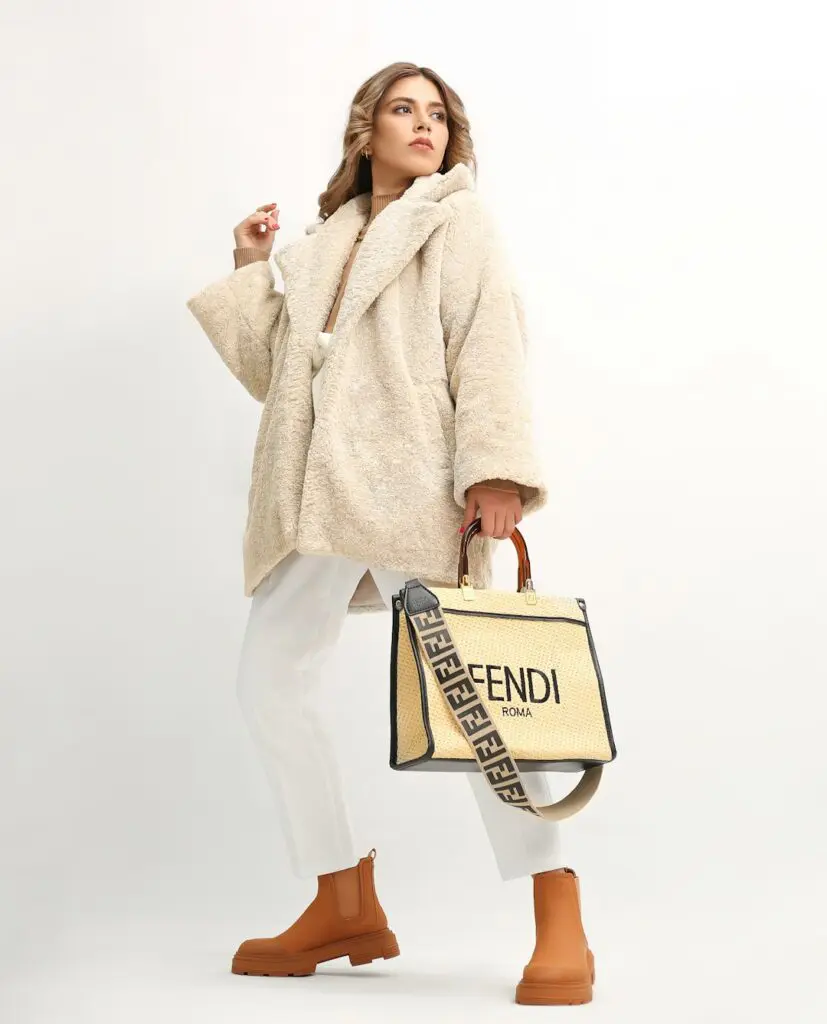
Eco luxury is redefining what it means to be high-end in the fashion world. Today’s luxury fashion brands are proving that style, quality, and sustainability can coexist beautifully. Eco luxury fashion focuses on creating premium clothing and accessories using sustainable materials and responsible production methods. Think organic cotton, recycled polyester, and innovative eco friendly dyes—all crafted into collections that are as elegant as they are ethical.
Many fashion brands at the top end of the market, including renowned designers like Anne Sofie Madsen, are leading the way with eco-luxury collections. These lines showcase how recycled materials and sustainable practices can elevate both the look and feel of high-end fashion. From statement accessories to timeless wardrobe staples, designers are incorporating recycled polyester and other sustainable materials into their creations, setting new standards for the industry.
The rise of eco luxury signals a shift in consumer preferences, with more shoppers seeking out brands that align with their values. As a result, sustainable materials and practices are no longer niche—they’re essential elements of modern luxury fashion, shaping the collections and accessories that define the future of style.
Color and Design Directions in Fashion for 2026
Designers in 2026 lean into earthy authenticity while experimenting with bold, tech-driven shades. Natural pigments, sustainable dyeing methods, and a mix of pared-back minimalism with playful maximalist energy shape the season’s creative direction.
Fashion weeks, such as Copenhagen Fashion Week, play a pivotal role in setting color and design trends while promoting sustainability standards.
Trending Hues and Palettes

Color forecasters highlight a set of standout shades that balance vibrancy with eco-conscious appeal. Key tones include Transformative Teal, Electric Fuchsia, Blue Aura, Amber Haze, and Jelly Mint, all identified as defining the Spring/Summer 2026 palette by Coloro and WGSN.
These hues reflect both optimism and a grounding connection to nature. Brown, once overlooked, makes a strong return as brands embrace earthy pigments and natural processes.
This shift ties into the growing demand for sustainable dyeing methods that reduce environmental impact. Designers also experiment with duality—pairing high-energy colors like fuchsia with muted neutrals.
The result feels fresh yet wearable, offering flexibility for both bold statements and understated looks.
Color | Mood | Common Use |
|---|---|---|
Transformative Teal | Calm yet futuristic | Outerwear, accessories |
Electric Fuchsia | Playful, bold | Eveningwear, accents |
Amber Haze | Warm, earthy | Knitwear, casualwear |
Blue Aura | Serene, digital | Activewear, loungewear |
Jelly Mint | Refreshing, light | Summer dresses, trims |
Nature-Inspired Motifs
1. Designers echo the natural world through prints, textures, and surface treatments. Botanical patterns, mineral-inspired gradients, and water-like fluidity dominate textiles.
2. These motifs go beyond aesthetics—they signal a cultural leaning toward environmental mindfulness. Eco-conscious dyeing techniques, such as plant-based pigments and low-water processes, enhance the authenticity of these designs.
3. Fabrics feel raw yet refined, often showcasing imperfections as proof of their natural origin. Motifs also incorporate subtle storytelling—like a leaf print nodding to regenerative farming or biodiversity.
4. Consumers increasingly value this embedded meaning, making nature-inspired design both stylish and symbolic.
Minimalism Meets Maximalism
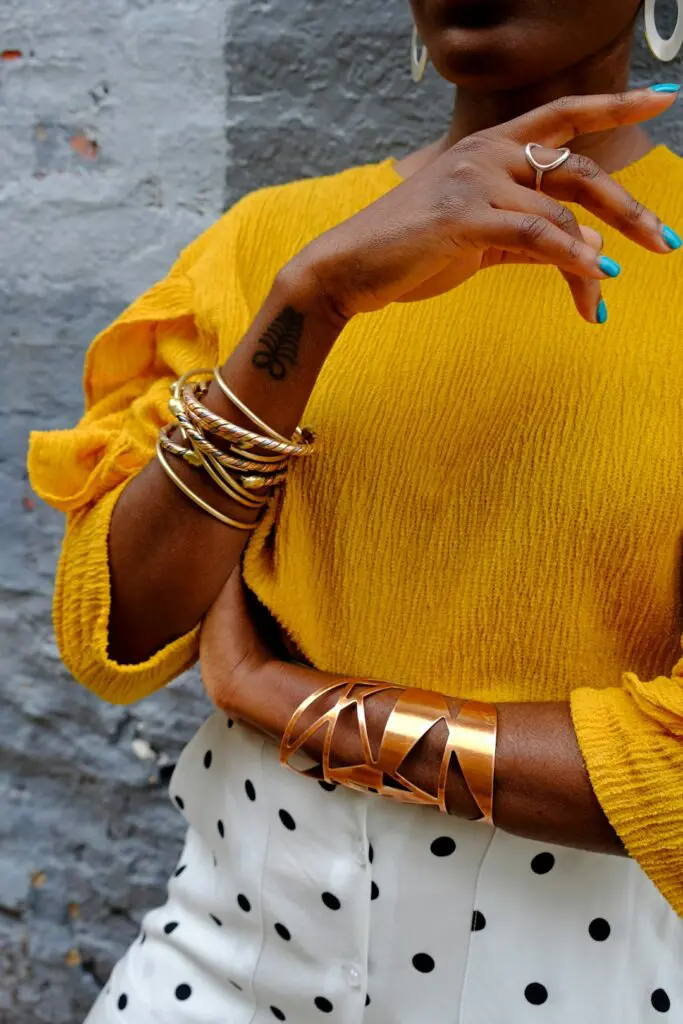
1. Fashion in 2026 thrives on contradiction. Clean, minimal silhouettes coexist with unexpected bursts of pattern, texture, or color.
2. The result is a wardrobe that feels practical yet playful. Minimalist tailoring—think crisp lines and neutral bases—serves as the canvas.
3. Designers then layer maximalist elements like oversized florals, metallic accents, or neon trims. This balance lets individuals express personality without sacrificing versatility.
4. Consumers embrace this mix because it mirrors real life: some days call for quiet simplicity, others for bold self-expression. The trend also encourages longevity, as minimal staples remain timeless while maximalist details can be rotated in or out seasonally.
Technology’s Role in Sustainable Fashion
Technology is shaping how clothes are designed, produced, and tracked. It’s making sustainability less of a buzzword and more of a practical reality.
Technological advancements have had a profound impact on advancing sustainable fashion practices and solving industry challenges.
From smarter production methods to transparent supply chains, innovation is helping fashion reduce waste, cut emissions, and keep brands accountable.
AI-Driven Fashion Design and Production
Artificial intelligence isn’t just a Silicon Valley toy anymore—it’s a workhorse for fashion. Brands now use AI to analyze consumer data, predict demand, and dodge that classic pitfall of overproduction.
Less unsold stock means less waste heading to landfills. AI also helps with fabric optimization.
Designers can test how different textiles behave virtually, cutting down on trial-and-error waste. AI-driven forecasting lets companies anticipate what shoppers will actually buy, not just what looks good on a mood board.
AI shortens development timelines too. What once took months of sampling and reworking can now be refined in weeks.
Collections stay timely and eco-conscious. Efficiency and sustainability finally get to hang out—without sacrificing style.
Digital Sampling and 3D Modeling
Endless fabric swatches? Not anymore. Digital sampling and 3D modeling let designers create realistic garments on screen before cutting a single thread.
This saves material, money, and time—three things the industry could really use more of. 3D modeling platforms also let teams collaborate remotely.
No need to ship physical samples across continents. That’s fewer carbon-heavy flights and trucks in the mix.
Some brands already let shoppers preview clothing in digital form or even try it on virtually. This reduces returns and helps customers make more confident, sustainable purchases.
According to sustainably-focused reports, 3D tools are central to minimizing waste while keeping design creativity alive.
Supply Chain Transparency
Fashion supply chains are notoriously complex, but technology is finally cutting through the fog. Blockchain creates a secure digital record of every step in a garment’s journey—from cotton fields to checkout counters.
That makes it a lot harder for unethical practices to hide. Consumers can scan a QR code and instantly see where their clothes came from.
This level of detail builds trust and keeps brands on their toes. As blockchain adoption grows, it’s becoming a standard weapon against greenwashing.
Brands know their supply chains are visible, so they’re more likely to stick to ethical commitments. It’s accountability, digitized.
Consumer Behavior and the Shift to Conscious Shopping
Shoppers aren’t just comparing price tags anymore; they’re weighing values, ethics, and long-term impact. Many consumers now consider sustainability in their purchasing decisions, driving the industry’s shift toward more responsible practices. From generational influence to fresh retail models, consumer behavior is nudging fashion toward choices that prioritize sustainability without giving up on style.
Gen Z and Millennial Influence
Gen Z and Millennials are setting the tone for sustainable fashion. They expect brands to be transparent and reward authenticity with loyalty.
This isn’t only about buying clothes—it’s about aligning purchases with personal identity. More young consumers now treat sustainability as a baseline requirement, not a bonus.
Research shows that sustainability demands are rising, and this shift is especially visible in how these generations drive conversations online. Social media platforms amplify their values, making eco-conscious choices more visible and aspirational.
They push brands to innovate. Companies are adapting with biodegradable fabrics and digital-first shopping experiences because these shoppers won’t settle for outdated practices.
If a label doesn’t meet their expectations, they move on fast. Call it tough love—or just smart shopping.
Personalization and Customization
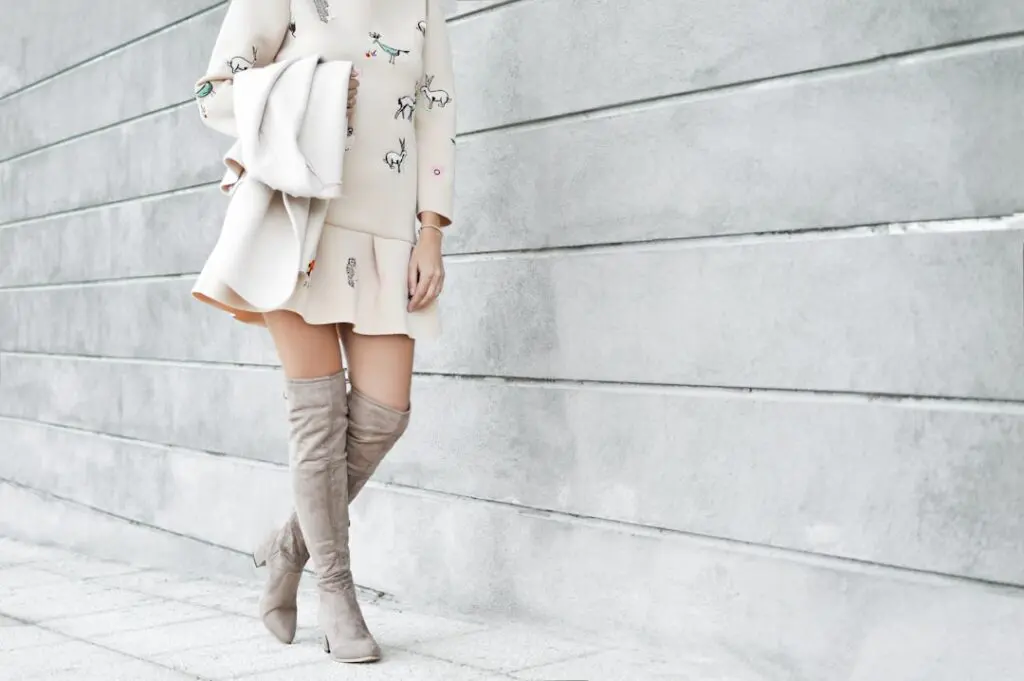
Customization isn’t a luxury anymore—it’s now a sustainable strategy. Consumers want clothes that feel personal, and personalization encourages longer wear.
A jacket tailored to your taste is less likely to end up in a donation bin after one season. Brands use data-driven insights to predict what shoppers want, as seen in forecasting fashion with technology.
This helps companies design smarter collections and cut back on overproduction. Personalization also taps into emotional value.
When people feel connected to a garment, they treat it as an investment, not something disposable. It’s a small shift in behavior, but it can make a big difference in how long clothes last.
Rise of Secondhand and Rental Markets
The secondhand and rental markets are booming, and not just because they’re budget-friendly. They’re a practical response to overconsumption and waste.
Now, consumers can easily shop for pre-owned or sustainable fashion items through online platforms, making it convenient to participate in eco-friendly fashion practices.
Renting a dress for a wedding or buying a pre-loved designer bag is now a stylish, eco-conscious move. Platforms for resale and rentals have normalized the idea that fashion doesn’t always need to be new.
Studies highlight that sustainable fashion practices are increasingly tied to consumer behavior that values access over ownership. For many, these options add variety without guilt.
Instead of fast-fashion hauls, shoppers rotate wardrobes through sharing economies. It’s less clutter in the closet, fewer garments in landfills, and more room for thoughtful purchases.
Marketing and Promotion of Sustainable Fashion
The way sustainable fashion is marketed and promoted plays a crucial role in its growing success. Many fashion brands are harnessing the power of social media, influencer partnerships, and creative storytelling to showcase their sustainable collections. By highlighting the use of organic cotton, recycled materials, and eco friendly production methods, brands are building trust and inspiring consumer demand.
Transparency is at the heart of effective marketing for sustainable fashion. Brands are increasingly sharing the stories behind their clothing and accessories, from the sourcing of materials to the people who make them. This openness helps consumers make informed choices and feel connected to the products they buy.
Eco friendly packaging and labeling are also becoming standard, with many fashion brands opting for biodegradable materials to reduce waste. Influencer marketing amplifies these messages, as trusted voices share their experiences with sustainable collections and accessories. Ultimately, the marketing and promotion of sustainable fashion are essential for driving demand, encouraging responsible consumer behavior, and supporting the industry’s shift toward more sustainable practices. As the fashion industry continues to evolve, these strategies will remain key to shaping a more eco friendly and ethical future.
Leading Brands and Collaborations Shaping 2026
Fashion in 2026 is moving ahead thanks to labels that put sustainability first, partnerships that blend creativity with responsibility, and companies proving that style and ethics can actually get along. Some brands lead with innovative materials, while others team up to scale impact in ways they couldn’t manage alone. Through international partnerships and sustainability initiatives, these leading brands and collaborations are expanding their global influence in the fashion industry.
Noteworthy Sustainable Labels
Several labels stand out for merging eco-conscious design with everyday wearability. These aren’t niche players anymore—they’re carving out mainstream influence.
The market share of sustainable fashion labels has increased significantly in recent years and is projected to continue growing as more consumers prioritize eco-friendly choices.
Brands are experimenting with seasonless wardrobes, recycled textiles, and even tech-enhanced accessories that extend product life. The shift toward circular fashion models—where clothes are made to be reused, resold, or recycled—is now a defining marker of forward-thinking companies.
According to 2026 fashion trends, seasonless collections are expected to dominate, cutting down on waste from overproduction. Consumers also gravitate toward labels that make transparency a priority.
Publishing supply chain details and carbon impact scores is now a baseline expectation. Brands that don’t meet it risk losing relevance with eco-savvy shoppers who demand receipts—literally and figuratively.
Innovative Brand Partnerships
Partnerships aren’t just about slapping two logos together anymore. They’re about resource sharing and scaling sustainability goals.
- Denim innovators are working with textile recycling startups to bring experimental washes and closed-loop production to market. Reports on denim innovations and sustainable styles highlight how these collaborations are reshaping staple categories.
- Luxury brands are teaming up with tech companies to track clothing lifecycles through embedded tags and digital IDs. This helps authenticate secondhand sales and promotes longer garment use.
- Even fast-fashion retailers are being nudged into partnerships with material science firms. The aim? Replace virgin polyester with bio-based alternatives at scale.
It’s not just altruism—it’s survival in a market where regulations and consumer pressure are tightening.
These innovative partnerships are influencing not only the fashion industry but also related industries, as shared technology and sustainability goals drive advancements across multiple sectors.
Spotlight on Able
Able has become a standout name in sustainable fashion, not just for its products but for how it runs its business. The company focuses on radical transparency, publishing worker wages and openly addressing the challenges of ethical production. Able also integrates social responsibility principles into its sustainability efforts and business practices, ensuring that eco-friendly initiatives and ethical standards are at the core of its operations.
Their collections balance timeless basics with trend-conscious pieces, making them approachable for shoppers who want sustainability without giving up style. By rooting production in fair labor practices, Able positions itself as more than just a clothing brand—it’s a values-driven movement.
What sets Able apart is its commitment to accountability. While plenty of brands talk about sustainability, Able consistently shows measurable progress.
In an industry often clouded by vague promises, that kind of honesty feels refreshingly rare—and it’s why they’re becoming a trusted leader in 2026.
Global Perspectives and Regional Highlights
Sustainable fashion in 2026 isn’t moving at the same pace everywhere. Different regions shape the industry through unique cultural values, consumer habits, and design priorities that reflect both local traditions and global sustainability goals. In addition, stringent regulations in certain regions are driving the adoption of sustainable practices and shaping the global sustainable fashion landscape.
North America and Europe
In North America, consumers are pushing for transparency in supply chains. Brands are expected to disclose sourcing details, carbon footprints, and even water usage per garment.
This demand has made digital product passports a growing standard. Europe, meanwhile, leans heavily into policy-driven sustainability.
The EU’s stricter regulations on textile waste and recycling have nudged brands toward circular design models. Clothing resale platforms and rental services thrive here, giving shoppers more ways to extend the life of garments.
Both regions highlight timeless style over fleeting trends. Reports show a shift toward long-lasting, high-quality staples, with many shoppers embracing timeless fashion as a practical and eco-conscious choice.
Think fewer impulse buys, more investment pieces. That’s not just a trend—it’s a mindset.
Asia-Pacific Innovations
Asia-Pacific stands out for its tech-driven approach to sustainability. From AI-powered trend forecasting to fabric innovations, the region blends tradition with modern solutions.
Japan and South Korea lead in textile R&D, experimenting with biodegradable fibers and lab-grown alternatives. China’s fashion industry is scaling up circular production systems, with major brands piloting large-scale garment recycling programs.
Australia emphasizes regenerative practices, focusing on organic cotton and wool production that restores ecosystems rather than depleting them. Cultural influence plays a role too.
Designers here often weave heritage techniques into modern silhouettes, creating pieces that balance craftsmanship with cutting-edge sustainability. The result? Eco-friendly doesn’t mean boring—it means bold and innovative.
Emerging Markets and Local Artisans
In Latin America, Africa, and parts of the Middle East, local artisanship is gaining recognition as a sustainable alternative to mass production. Handwoven textiles, natural dyes, and small-batch production not only reduce waste but also preserve cultural heritage.
These markets often face infrastructure challenges, but they make up for it with community-driven solutions. Cooperative workshops and fair-trade collectives give artisans access to global buyers and keep profits within local economies.
Fashion forecasters highlight the growing appeal of slow fashion from these regions. Consumers worldwide are drawn to unique, handcrafted pieces that stand apart from fast-fashion sameness.
This shift aligns with forecasts that sustainability in 2026 is about more than materials—it’s about values, ecosystems, and thoughtful design.
Local artisans and designers in emerging markets are increasingly drawing inspiration from global sustainability standards and innovative practices, adapting these influences to their own cultural and creative contexts.
Challenges and Opportunities Ahead
The fashion industry in 2026 faces both pressure and potential. Brands must prove their sustainability claims, keep products affordable, and adapt to shifting expectations around innovation and responsibility. To stay ahead, brands need to embrace proactive strategies and continuous innovation to anticipate trends and respond to market changes.
Overcoming Greenwashing
Greenwashing still gives sustainable fashion a headache. Shoppers are savvier now, and vague buzzwords like eco-friendly or conscious don’t cut it anymore.
They want receipts—literally and figuratively. Transparency is now non-negotiable.
Brands are expected to share details on supply chains, material sourcing, and labor practices. Some even use blockchain for traceability, giving consumers a digital trail of proof.
Regulation is catching up too. In markets like the EU, stricter labeling laws are being introduced to hold companies accountable for misleading claims.
This forces brands to back up marketing with measurable impact. For consumers, the shift means less guesswork and clearer data to compare.
For brands, honesty is starting to look like a competitive edge instead of a risk. Maybe that’s the real trend to watch.
Balancing Cost and Accessibility
Sustainable fashion usually costs more. Organic cotton, recycled fabrics, and ethical labor just aren’t cheap to produce.
Here’s the tricky part: if eco-friendly clothing stays expensive, it might just become a luxury for a select few. That’s not really the goal, is it?
1. Some brands are trying out fresh ideas to make things work for more people. Rental services, resale platforms, and repair programs can help folks get more use out of their clothes and make sustainability feel less pricey.
2. Subscription models are popping up too, letting people swap out wardrobes for less money. It’s a bit like Netflix, but for your closet.
3. Technology’s pulling its weight here. New breakthroughs in material science are cutting down the price of recycled fibers and plant-based textiles.
As these innovations catch on, prices could actually come down. That’s a hopeful sign, right?
4. On the consumer side, there’s a shift happening. More people seem open to buying fewer, better-made pieces instead of grabbing fast fashion by the armful.
This “less but better” mindset can help both your budget and your closet over time. It’s not always easy, but honestly, it feels a bit more intentional.
The Future of Sustainable Fashion
By 2026, sustainability isn’t just a trend—it’s the baseline. Data-driven personalization and mass customization are reshaping how clothes get designed and consumed.
Instead of overproducing, brands can make items on demand. This shift cuts down on waste in a way that feels surprisingly practical.
Circular fashion models are expanding. Resale, recycling, and upcycling aren’t just side projects now; they’re central strategies for a lot of companies.
Some brands are even designing garments with disassembly in mind. That way, fabrics can get reused in future collections—kind of clever, honestly.
Consumer expectations are steering this shift. People expect brands to merge style with responsibility, and they’re rewarding those that deliver.
According to industry forecasts, sustainability is set to become a mainstream force, not an afterthought.
- About the Author
- Latest Posts
- How I Test and Recommend

Juliet is the creator of Living Wild & Green, where she researches and writes about eco-friendly living, sustainable fashion, and non-toxic home upgrades. Since 2020, she’s been curating science-backed, stylish sustainability tips and personally testing products to help thousands of readers cut through greenwashing and live greener with confidence.


