

Are you looking for practical ways to reduce waste in your kitchen? These 19 simple zero waste kitchen swap will help you do that!
Adopting zero waste practices is not just better for the planet but also helps declutter your home and simplify your lifestyle. By making small, mindful changes, you can significantly cut down on plastic waste, single-use items like paper towels and plastic wrap, and even reuse food scraps creatively.
This blog will guide you through 19 simple zero waste kitchen Swaps that are simple and actionable, yet incredibly impactful over time. Whether you’re swapping plastic produce bags or upgrading your dish soap, these changes make a difference for eco-conscious consumers and sustainable living enthusiasts.
Why Zero Waste Matters
The average household produces a shocking amount of kitchen waste, much of which is non-recyclable plastic. Plastic bottle waste, in particular, has a significant environmental impact, contributing to the growing concern of waste caused by single-use plastic bottles. From single-use plastic bottles to food packaging, the accumulation of trash contributes to the staggering plastic waste crisis worldwide. A study by National Geographic found that 91% of plastic created since the 1950s hasn’t been recycled. Curbing this trend starts at home—specifically, in the kitchen. The average household generates over 400 pounds of kitchen waste annually.
By implementing zero waste solutions, you can significantly reduce reliance on disposable products, lower your carbon footprint, and even save money over time. In fact, making sustainable kitchen swaps can help you save so much money by cutting down on the need to constantly buy single-use items.
Here’s how to begin the transition with 19 simple, sustainable kitchen swaps.
Planning a Zero Waste Kitchen
Planning a zero waste kitchen starts with taking a closer look at your current habits and identifying where you can make impactful changes. Begin by assessing the types of waste you generate most—are plastic bottles, plastic bags, or paper towels filling up your trash? Make a list of easy zero waste swaps you can implement, such as replacing paper towels with reusable cloths, ditching plastic wrap for beeswax wraps, and switching from plastic containers to glass food storage containers.
Meal planning is another powerful tool: by organizing your meals in advance, you can use up all your food scraps, reduce food waste, and avoid unnecessary packaging. Composting is a great way to turn kitchen scraps into nutrient-rich soil—consider investing in a compost bin and reusable filters to make the process simple and mess-free.
By making these thoughtful waste swaps and planning ahead, you’ll find it easier to maintain a zero waste kitchen and create a more sustainable home environment.
19 Zero Waste Kitchen Swaps You Can Start Today
1. Replace Plastic Bottles with Glass or Stainless Steel
Stop wasting money on single-use plastic bottles and invest in reusable bottles like glass or stainless steel to reduce waste. Glass containers are a sustainable, non-toxic alternative that do not contain harmful chemicals, making them safer for long-term food and beverage storage. Unlike some plastic bottles, glass containers do not leach harmful chemicals into your drinks. These durable alternatives not only look chic but are also better for your health. Using reusable water bottles can save approximately 167 plastic bottles per year per person.
Bonus Tip: Buy liquids like cooking oil or vinegar in bulk to avoid new plastic packaging.
Owala and Hydro Flask are my household favorites. Stylish, non-toxic, and zero waste.

|

|

|
|
$29.99
|
$28.00
|
$33.46
|
2. Use Silicone Food Bags Instead of Plastic Bags

10-Pack Reusable Bags for Kitchen Organization - Dishwasher Safe, BPA-Free, and Leakproof - Includes 2 Gallon, 6 Sandwich, and 2 Snack Bags for Meat, Cereal, and Veggies
Swap disposable plastic bags for reusable food storage options like silicone food storage bags. They’re dishwasher-safe, long-lasting, and perfect for storing leftovers or snacks.
Pro Tip: Look for options made from BPA-free, food-grade silicone.
3. Bring Reusable Produce Bags to the Market
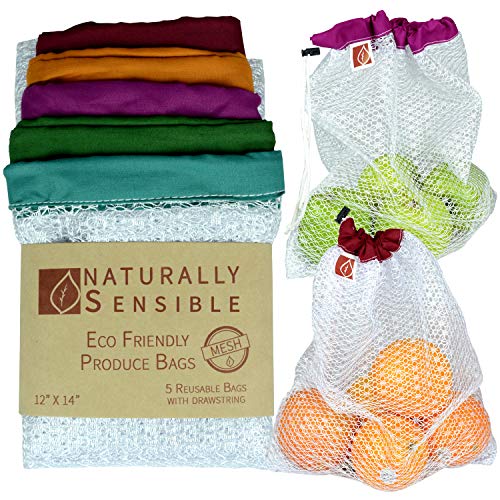
Naturally Sensible The Original Eco Friendly See Through Washable and Reusable Produce Bags - Soft Premium Lightweight Nylon Mesh Large - 12x14in - Set of 5 (Red, Yellow, Green, Blue, Purple)
Plastic produce bags used for fruits and vegetables contribute heavily to plastic waste. Replace them with mesh or cloth bags that are lightweight and easy to carry. Using cloth produce bags helps combat the plastic waste epidemic from single-use bags. Bringing reusable produce bags to the farmers market allows you to source fresh, package-free produce while supporting local farmers.
Eco Hack: Keep produce bags in your car or near your grocery list to never leave them behind.
4. Switch to Beeswax Wraps Instead of Plastic Wrap

Bee's Wrap Beeswax Wraps for Food - Honeycomb 3 Pack (S, M, L) Made in USA Reusable & Organic Food Wraps, Sandwich Wrap & Bowl Covers - Eco-Friendly Alternative to Aluminum Foil & Pla...
Ditch plastic wrap and replace it with beeswax wraps. Consider replacing aluminum foil with beeswax wraps for a more sustainable option. These reusable cloth wraps are infused with beeswax and can easily cover bowls or wrap sandwiches. Reusable beeswax is a sustainable alternative for wrapping and storing food, helping reduce waste and environmental impact. Bee’s Wrap food wraps are a sustainable alternative to plastic wrap and can last up to a year.
Maintenance: Rinse them in cool water and avoid using them with raw meat for longevity.
5. Opt for Reusable Dish Cloths Over Paper Towels

|
|

|
|
$34.99
|
$85.99
|
$27.99
|
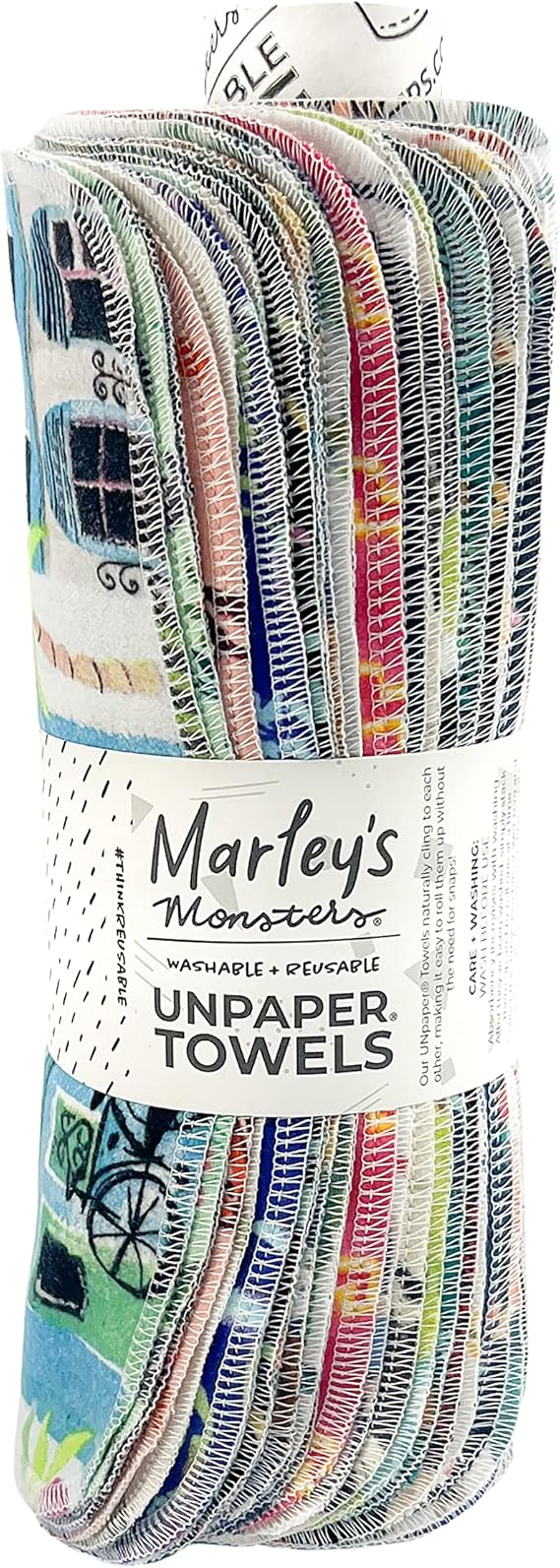
Paper towels are convenient but contribute heavily to deforestation and kitchen waste. Trade them for washable, absorbent dishcloths made of bamboo or cotton.
Savings Insight: A set of cloths lasts for years, saving you money in the long run.
6. Choose Loose Leaf Tea Over Tea Bags
Did you know many tea bags have hidden plastic linings? Invest in a stainless steel tea strainer and purchase loose-leaf tea varieties. Choosing sustainable options for hot drinks like tea and coffee, such as using reusable mugs and loose-leaf products, can significantly reduce waste.
Extra Credit: Compost the leaves instead of tossing them in the garbage!
Some of my favorite tea brands come in loose leaf options — yours might too! If not, no worries — I’ve got some faves you can try. Oh, and while you’re at it, I highly recommend getting a loose leaf tea kettle. It makes the whole sipping experience way better (and yes, you’ll feel very fancy doing it).

|

|

|
|
$30.96
|
$31.99
|
$11.75
|
7. Compost Your Food Scraps
Food waste like vegetable peels and coffee grounds shouldn’t end up in landfills. Start composting at home and use the rich soil to nourish your garden or plants. Composting can decrease the amount of waste sent to landfills by 20-50%.
Consider using compostable trash bags to collect your food scraps. These eco-friendly and biodegradable bags are a practical alternative to plastic, especially for those aiming for a zero waste lifestyle.
Did You Know? Around 30% of household waste is compostable.
8. Invest in a Solid Dish Soap Bar
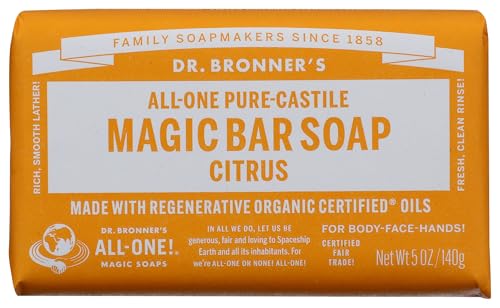
Dr. Bronner's OBCT05 All-One Hemp Citrus Orange Pure-Castile Bar Soap, 5-ounces
Liquid dish soaps often come in plastic bottles. The impact of plastic bottle waste from liquid dish soaps is significant, contributing to the prevalence of plastic in landfills and oceans. Try swapping to a solid dish soap bar, which can last longer and cut down on plastic packaging. Refillable dish soap can drastically cut down on plastic bottle waste. You can also purchase dish soap and other cleaning products from a bulk store, allowing you to refill containers and further reduce packaging waste.
Pair It With: Use a compostable bamboo brush for an all-in-one zero waste dishwashing solution.
9. Swap Plastic Utensils for Bamboo or Stainless Steel
Replace disposable plastic cutlery with reusable alternatives made from bamboo or stainless steel. Keep a set in your bag for on-the-go meals.
Quick Tip: Store your everyday set in your car or office drawer to avoid being caught without them.
|
DISPOSABLE
![100% Compostable Cutlery Set - 300 Pieces Wooden Compostable Utensils [120 Forks, 90 Knives, 90 Spoons] - Disposable Wooden Cutlery, Eco Friendly Forks And Spoons Disposable Cutlery Set Party Utensils](https://m.media-amazon.com/images/I/512nTQC4H0L._SL500_.jpg)
|
GREAT PICK

|
SPLURGE

|
|
$21.99
|
$69.95
|
$227.95
|
10. Adopt Cloth Napkins

Indi by Kishu Baby - Fairtrade Certified 100% Organic Cotton Washable Mini Cloth Napkin Sets - Set of 12 Soft Muslin Napkins for All Occasions (Rust)
Cloth napkins are an elegant and eco-friendly way to minimize disposable paper products in your kitchen. Look for ones made with soft, organic cotton.
Pro Tip: Mix and match colors to add some personality to your dining table.
11. Purchase in Bulk to Avoid Plastic Packaging
Buy staples like rice, beans, and pasta from bulk stores to cut down on unnecessary packaging. Bring your own jars or containers to fill up.
Zero Waste Win: Many stores even provide discounts for bringing your own containers.
12. Use a French Press or Reusable Pods for Coffee

Bodum 34oz Chambord French Press Coffee Maker, High-Heat Borosilicate Glass, Polished Stainless Steel Made in Portugal

CASABREWS CASKF01 Reusable K Cups Coffee Pods for Keurig, Universal Stainless Steel Refillable Reusable K Cup Coffee Filters Compatible with Keurig 1.0 Coffee Machines, Eco-Friendly, BPA-Free
If you’re a coffee lover, ditch single-use coffee pods or plastic-bagged grounds. Opt for a French press or reusable coffee pods instead. Opting for reusable coffee filters can save approximately 500 paper filters per year.
Sustainability Bonus: Use your coffee grounds for compost or DIY beauty scrubs!
13. Shop with a Tote Bag
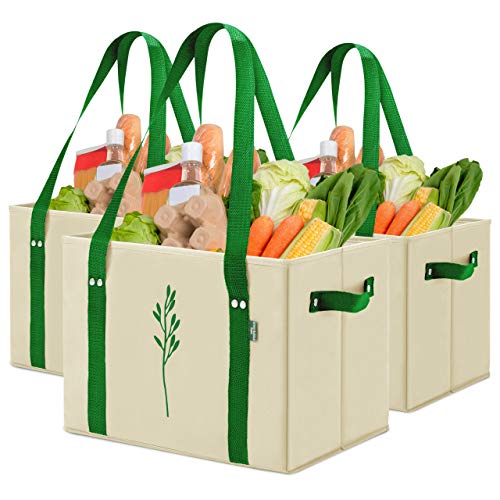
Green Bulldog Reusable Grocery Bags - Heavy Duty Reusable Shopping Tote Bags W/Long Handles, Foldable & Collapsible, Holds Up to 65 lbs - for Kitchen, Picnic 3 Pack
Avoid plastic bags entirely by using tote bags for your grocery trips. Many of these bags fold up small, making them easy to stash in your purse or car.
Insider Tip: Lightweight canvas totes are perfect for smaller markets or errands.
14. Store Food in Glass Jars Instead of Plastic Containers

|

|

|
|
$24.99
|
$24.22
|
$21.99
|
Glass food storage containers are perfect for storing leftovers, dry foods, or even smoothies. Unlike plastic, they don’t absorb smells and last much longer. Glass food storage containers are non-toxic and environmentally friendly compared to plastic containers. In contrast, plastic food containers can leach chemicals into your food, have a shorter lifespan, and contribute to environmental pollution.
Recycling Idea: Repurpose jars from sauces or pickles to give them new life.
15. Use Cast Iron or Stainless Steel Cookware
Avoid Teflon pans with plastic coatings and opt for more durable options like cast iron or stainless steel. Consider using silicone baking mats as a sustainable alternative for non-stick baking. Silicone baking mats are heat resistant and provide a safer, reusable option compared to conventional baking paper, which is often plastic-based or bleached. Not only are they better for the environment, but they’re also safer to cook with. Silicone baking mats can replace single-use aluminum foil and parchment paper, reducing waste.

MMmat Silicone Baking Mats - Best German Silicone, Non Slip Baking Sheet, Non Stick Reusable Silicone Mats For Baking, Food Grade Oven Liner, Counter Mat, Set of 6
Pro Tip: Properly seasoned cast iron pans are non-stick and can last for decades.
Le Creuset isn’t just cookware — it’s an heirloom in the making. You’re not just buying a Dutch oven, you’re investing in decades of perfectly braised meals, cozy soups, and “OMG what’s your recipe?” moments. Its enamel finish resists chipping, it heats like a dream, and it handles everyday cooking with the stamina of a pro athlete. While it’s definitely a splurge, this is the kind of kitchen gear you pass down — not replace.
Bottom line? It’s one of the few things in your kitchen that will probably outlast your stove.

16. Incorporate Compostable Cleaning Tools
|
|

|
|
$14.49
|
$23.50
|
$24.99
|
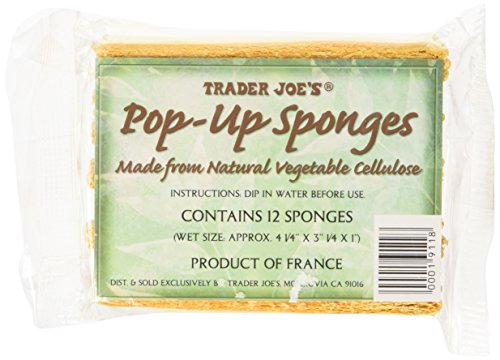
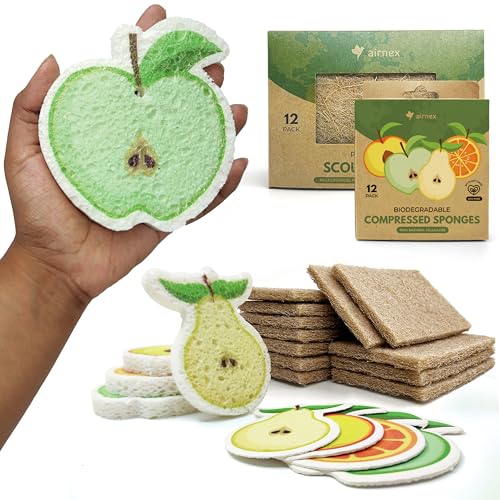
Incorporating compostable cleaning tools is a fantastic way to reduce plastic waste in your kitchen. These tools, made from natural materials like coconut husk and cellulose, are biodegradable and can be composted at home. By switching to compostable options, you can significantly cut down on the plastic waste that ends up in landfills and oceans.
Popular Choices:
- Compostable Dish Brushes: Made from natural fibers like coconut husk, these brushes are biodegradable and effective for scrubbing dishes.
- Compostable Scrubbers: Gentle on surfaces, these scrubbers are crafted from natural materials like cellulose.
- Compostable Sponges: These sponges, often made from coconut husk, are biodegradable and perfect for everyday cleaning tasks.
Eco Tip: After their useful life, simply toss these tools into your compost bin to return them to the earth.
17. Switch to Metal Straws and Cutlery

Premium Reusable Stainless Steel Drinking Straws With Silicone Tips + Patented Straw Cleaners and Carrying Case - 9 Long Metal With Curved Bend for 20/30/32oz Tumblers
Swapping out plastic straws for stainless steel straws reduces plastic pollution significantly. Reusable and easy to clean, metal straws and cutlery are excellent alternatives to their single-use plastic counterparts. The widespread use of the plastic straw has contributed significantly to ocean pollution, prompting a shift toward reusable alternatives. By choosing reusable metal straws over plastic straws, you help reduce ocean pollution and support a zero-waste lifestyle
Top Picks:
- Stainless Steel Straws: Durable and easy to sanitize, these straws are perfect for both hot and cold beverages.
- Metal Cutlery: Made from stainless steel or other metals, this cutlery is reusable and long-lasting.
- Bamboo Cutlery: A sustainable and biodegradable option, bamboo cutlery is lightweight and perfect for on-the-go meals.
Pro Tip: Keep a set of metal straws and cutlery in your bag or car to avoid using plastic straws and cutlery when dining out.
18. Replace your Plastic Cutting Boards

A wooden cutting board lasts decades and can be sanded back to new, while a plastic one gets grooved, sheds microplastics into your food, and ends up in the trash every couple of years. I compared the seven best non-toxic wooden cutting boards if you’re ready to swap.
19. Switch to Compostable Trash Bags
|

|

|
|
Our Rating:
3.5
|
Our Rating:
3.5
|
Our Rating:
3.5
|
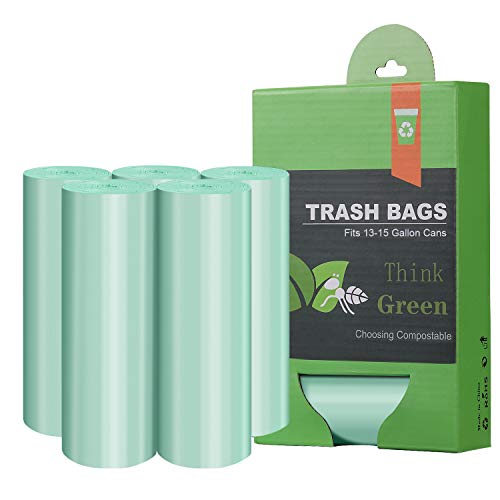
Making the switch to compostable garbage bags is one of the most impactful zero waste kitchen swaps you can make. Unlike traditional plastic bags that can take hundreds of years to decompose, compostable trash bags are made from 100% plant starch material and bioplastics based on natural renewable plant starch extracts. These plant-based alternatives can handle weight, resist punctures, and transport trash just as effectively as conventional plastic garbage bags.
By making these simple swaps, you can create a more sustainable kitchen and contribute to reducing plastic waste.
Productive Habits to Support a Zero Waste Kitchen
Adopting a zero waste lifestyle is a fantastic first step, but sustaining a zero waste kitchen involves long-term habits like active planning and mindful shopping. Try incorporating at least one sustainable kitchen swap, such as switching to reusable coffee filters, to make your daily routine more eco-friendly. Here are some tips for success:
- Write detailed grocery lists to avoid impulse buying packaged goods.
- Get creative—reuse food scraps like celery tops for vegetable broths.
- Support brands and businesses that prioritize sustainability.
Overcoming Challenges and Obstacles
Maintaining a zero waste kitchen isn’t always easy—challenges like finding affordable zero waste products, managing food waste, or dealing with social situations where plastic wrap and single-use items are common can arise. To overcome these obstacles, tap into online zero waste communities for support and creative solutions.
Invest in reusable alternatives and communicate your values to friends and family, so they understand your commitment. If you’re faced with a situation where plastic wrap is the norm, try using parchment paper or aluminum foil as a more sustainable option. Set realistic goals for your zero waste journey and celebrate every small success along the way.
Remember, progress is more important than perfection. By staying flexible and committed, you’ll be able to navigate challenges and keep your zero waste kitchen on track for the long term.
How These Small Changes Make a Big Impact
Every small swap you make contributes to reducing the global reliance on plastic and other disposable materials. As part of sustainable kitchen swaps, consider replacing traditional plastic trash bags with biodegradable or compostable alternatives to further minimize waste. By choosing zero waste kitchen essentials, you’re voting with your wallet for a more sustainable planet while also setting an example for your community.
Even better, many people find that zero waste practices save them money in the long run. Durable products, bulk buying, and mindful habits reduce the need for frequent replacements and expensive disposable items.
Take the First Step Toward Zero Waste Today
Creating a zero waste kitchen isn’t about perfection—it’s about progress. Start with one or two swaps that feel the most achievable and grow from there.
Want to learn more about sustainable living and zero waste tips? Subscribe to our newsletter for ongoing insights to green your home and lifestyle.
Together, small changes create a big impact. Why not start now?
- About the Author
- Latest Posts
- How I Test and Recommend

Juliet is the creator of Living Wild & Green, where she researches and writes about eco-friendly living, sustainable fashion, and non-toxic home upgrades. Since 2020, she’s been curating science-backed, stylish sustainability tips and personally testing products to help thousands of readers cut through greenwashing and live greener with confidence.