
Introduction to DIY Bathroom Cleaning
Homemade bathroom cleaners are designed to be gentle on your bathroom surfaces but tough on dirt and grime. Whether you’re scrubbing the tub, wiping down the sink, or freshening up the toilet, these DIY solutions can handle it all. Plus, you’ll enjoy the peace of mind that comes from knowing your bathroom is clean, safe, and free from the harsh chemicals often found in store-bought cleaners.
Ready to transform your cleaning routine? Let’s explore how easy it is to make your own homemade bathroom cleaners and keep your bathroom looking its best.
Why Choose a Non-Toxic Homemade Bathroom Cleaner?
When it comes to cleaning our bathrooms, it’s important to prioritize our health and the well-being of our environment. That’s why choosing a non-toxic homemade bathroom cleaner is a smart and responsible choice. Traditional cleaning products often contain harsh chemicals that can be harmful to our health and the planet. By making your own cleaner using natural ingredients like Dr Bronner’s Castile Soap, you can ensure a safe and effective cleaning experience. Creating your own cleaners empowers you to take control of what you use in your home, offering both health and environmental benefits.
One of the key benefits of using a non-toxic homemade bathroom cleaner is its ability to remove dirt and grime without the use of harsh chemicals. Dr Bronner’s Castile soap, a versatile and natural ingredient, has powerful cleaning properties that can effectively tackle soap scum, dirt, and even tough stains. Its gentle nature makes it suitable for those with sensitive skin or allergies, providing a safe and non-irritating cleaning solution.
Another advantage of homemade cleaners is their cost-effectiveness. By making your own bathroom cleaner, you can save money in the long run compared to purchasing commercial products. The ingredients used in homemade cleaners are often more affordable, and you can create a cleaner that suits your preferences in terms of scent and strength. Plus, you’ll have the satisfaction of knowing exactly what goes into your cleaner, avoiding any hidden or potentially harmful ingredients. It’s surprisingly simple to make homemade cleaning products, allowing you to customize your cleaning routine with ease.
The Power of Castile Soap in Homemade Cleaners
When it comes to creating your own non-toxic homemade bathroom cleaner, one ingredient stands out for its powerful cleaning properties: Castile soap. Made from natural vegetable oils and free from synthetic chemicals, Castile soap offers a safe and effective alternative to traditional cleaning products. Its versatility makes it an essential component in many DIY cleaner recipes.
One of the key benefits of using castile soap in homemade cleaners is its ability to remove dirt, grime, and soap scum from bathroom surfaces. Whether you’re tackling the bathtub, sink, or toilet, castile soap can cut through tough stains without harsh chemicals. Dish soap is another effective liquid soap option for those who want to try different cleaning recipes. Plus, it’s gentle enough for those with sensitive skin or allergies.
Aside from its cleaning prowess, castile soap is also eco-friendly. By choosing to use natural ingredients like castile soap in your homemade cleaner, you’re reducing your environmental impact and minimizing exposure to potentially harmful substances. It’s a win-win for both your health and the planet!
Homemade Bathroom Cleaner With Dr Bronner’s Castile Soap and Essential Oil
One of the simplest and most effective ways to make a homemade bathroom cleaner is by combining Dr Bronner’s castile soap and essential oil. This easy recipe is perfect for removing soap scum and stains from a variety of bathroom surfaces, leaving your space fresh and clean.
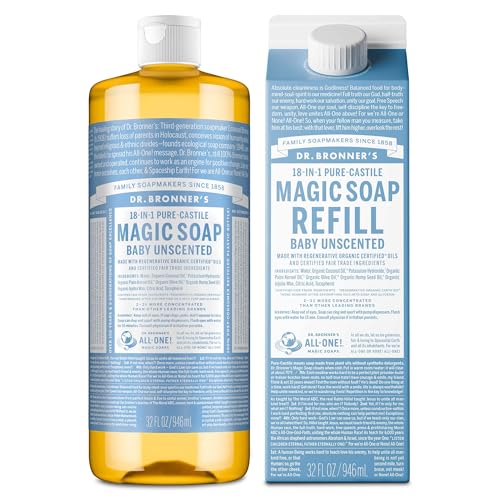
To make this bathroom cleaner, start by adding 1 cup of unscented Dr Bronner’s castile soap and 1 cup of warm water to a spray bottle. Next, add 10 drops of your favorite essential oil—whether you love the invigorating scent of peppermint, the calming aroma of lavender, or the powerful cleaning properties of tea tree oil. Secure the lid and shake the spray bottle well to mix all the ingredients.
This homemade bathroom cleaner is safe to use on sinks, toilets, showers, and more. Simply spray the cleaner onto the surface, let it sit for a few minutes to break down soap scum and stains, then wipe clean with a cloth or sponge. The combination of castile soap and essential oil not only cleans effectively but also leaves your bathroom smelling fresh and inviting.
Homemade Bathroom Cleaner With Castile Soap is Gentle on Surfaces
Castile soap is a great option if you have surfaces that could be damaged by vinegar such as natural stone tiles, marble, granite, etc. Also, some people really do not like the smell of vinegar. Castile Soap is effective and highly concentrated so it is very economical for DIY cleaners. It is also good for the environment and most are free of palm oil or palm oil derivatives. Destruction of forests for palm oil production is the main threat to Orangutan’s survival. To protect forests and save Orangutans from extinction, we should all avoid products with Palm Oil.
The BEST DIY Bathroom Cleaner Spray Recipe with Dr Bronner’s Castile Soap (and secret ingredient)
You can use the following ingredients to make this cleaner and clean your entire bathroom without any worry to damage any surfaces. Feel free to use any combination of essential oils you prefer. For instance, you can use just one essential oil and use 30 drops of Sweet Orange or Lemon. Or any combination as long as you use a total of 30 drops.
Ingredients:
- 2 teaspoons of Dr Bronner’s Castile soap
- 1 tablespoon washing soda (the secret ingredient I swear by)
- 2 cups of water (hot water or tap water can be used for enhanced cleaning)
- 10 drops of oregano essential oil
- 10 drops of peppermint essential oil
- 10 drops of eucalyptus essential oil
Optional: Add 1/4 cup of white vinegar for extra cleaning power if suitable for your surfaces.
Instructions:
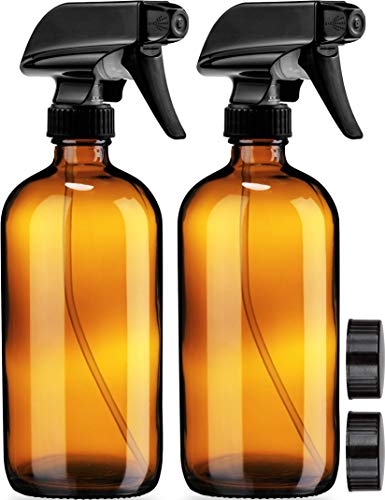
- Mix all the ingredients in a 16 oz glass spray bottle. If you prefer, heat the water on the stove top until hot before mixing for better results.
- Store in a dark place.
- Gently swirl before each use. Enough to mix the solution without causing bubbles.
Once you’ve mixed all the ingredients, your DIY non-toxic bathroom cleaner is ready to use. The cleaner should be sprayed directly onto the desired area, whether it’s the toilet bowl, soap scum, or bathtub rings. For tough stains, let the cleaner sit for up to thirty minutes, or soak the area with the cleaner for stubborn buildup. After waiting, scrub away with a towel or brush. Rinse the area thoroughly with hot water or tap water to remove any residue. After following these steps, your surfaces will be thoroughly cleaned and left shiny and spotless.
Using Essential Oils in Bathroom Cleaner Spray
There is no set rule. The above are just suggestions. Use your favorite scents and, take a look at my guide on essential oils properties to find the right one for the job.
I chose this combination based on the antibacterial and cleaning power of these oils. Oregano also mixes well with citrus and adds additional cleaning power, and antibacterial properties. You can use any combination of oils you like!
Other Suggested Combinations:
- Lemon & Peppermint
- Tea tree & Lavender
- Lemon & lavender
- Oregano & Tea Tree
- Thyme, Lemon & Lavender

Plant Therapy Top 6 USDA Organic Essential Oil Set - Lavender, Peppermint, Eucalyptus, Lemon, Tea Tree 100% Pure, Natural Aromatherapy, for Diffusion & Topical Use, Therapeutic Grade 10 mL (1/3 oz...
Safety Precautions
While homemade bathroom cleaners are a great alternative to products with harsh chemicals, it’s still important to use them safely. Always read the labels and instructions on any ingredients you use, and follow recommended guidelines for mixing and handling. When making or using homemade cleaners, consider wearing gloves to protect your skin, especially if you have sensitivities.
Be sure to keep all homemade bathroom cleaners out of reach of children and pets, and store them in a cool, dry place to maintain their effectiveness. If you’re trying a new cleaner for the first time, do a quick patch test on a small, hidden area to make sure it doesn’t cause any irritation or damage to your bathroom surfaces. Good ventilation is also key—open a window or turn on a fan while cleaning to avoid breathing in any fumes, even from natural ingredients.
By following these simple safety precautions, you can enjoy the benefits of homemade bathroom cleaners while keeping your cleaning routine safe and effective.
Tips for Using Homemade Bathroom Cleaners
When it comes to using homemade bathroom cleaners, there are a few tips and tricks that can help you get the most out of your DIY cleaning solutions. Whether you’re new to homemade cleaners or an experienced DIY enthusiast, these tips will ensure effective and safe cleaning results.
If your cleaner contains baking soda, be aware of the potential for baking soda clogging spray nozzles. To prevent clogging, use less baking soda, opt for washing soda (this is what I use), and make sure your cleaning solution is well mixed and stored properly.
1. Test on a small area
Before using any homemade cleaner on a larger surface, it’s important to test it on a small, inconspicuous area first. This will help you ensure that the cleaner doesn’t cause any damage or discoloration to your bathroom surfaces. Simply apply a small amount of the cleaner to the test area, let it sit for a few minutes, and then wipe it away. If there are no adverse effects, you can confidently use the cleaner on the rest of the surface.
2. Follow specific instructions
Each homemade cleaner recipe may have specific instructions for use. It’s important to read and follow these instructions carefully to achieve the best cleaning results. Some cleaners may require a specific amount of time to sit on the surface or require rinsing after use. By following the instructions, you can ensure that you’re using the cleaner correctly and achieving the desired cleanliness.
3. Store in a cool, dry place
To maintain the effectiveness of your homemade bathroom cleaners, it’s important to store them properly. Keep your homemade cleaners in a cool, dry place away from direct sunlight or heat sources. This will help prevent any degradation of the ingredients and ensure that your cleaners last longer. Storing them in airtight containers or bottles can also help maintain their potency and prevent evaporation.
By following these tips, you can use your homemade bathroom cleaners effectively and safely. Enjoy the benefits of non-toxic cleaning while saving money and reducing your environmental impact.
Other Natural Ingredients for DIY Bathroom Cleaners
In addition to Dr Bronner’s Castile soap, there are several other natural ingredients that you can incorporate into your homemade bathroom cleaner recipes. These ingredients offer their own unique cleaning properties and can enhance the effectiveness of your DIY cleaners. Many of these natural ingredients can be used throughout the house, making them versatile and convenient for a variety of cleaning tasks. For best results, consider using filtered or softened tap water when preparing your cleaning solutions, as this can improve cleaning effectiveness and reduce residue.
Here are a few options to consider:
Baking Soda:
Baking soda is a versatile ingredient that acts as a mild abrasive and deodorizer. It can effectively remove stains, eliminate odors, and scrub away grime in the bathroom. Simply sprinkle some baking soda on a damp cloth or sponge and use it to scrub surfaces like sinks, faucets, and bathtub rims.
Washing Soda:
Washing soda is like baking soda’s tougher, sassier cousin. It’s a powerful alkaline cleaner that helps cut through grease, lift stains, and boost cleaning power. In DIY spray cleaners, it helps break down gunky build-up on tiles, tubs, and grout. It also excels at neutralizing odors like urine by shifting the pH level and breaking down odor-causing compounds—especially helpful for pet messes or bathroom funk.
Rubbing Alcohol (isopropyl)
Rubbing alcohol is a fast-evaporating disinfectant that’s perfect for giving your surfaces that streak-free, sanitized finish. It helps kill germs and bacteria, and it also speeds up drying time—making it ideal for mirrors, countertops, and even chrome fixtures. Pro tip: It also helps your spray smell less vinegary (bonus!).
Vinegar:
Vinegar is known for its natural disinfecting properties. It can help kill bacteria, dissolve soap scum, and remove hard water stains. Mix equal parts vinegar and water in a spray bottle and use it to clean the toilet bowl, shower walls, and mirrors. Just be cautious when using vinegar on certain surfaces, as it may damage natural stone or certain types of grout.
Hydrogen Peroxide:
Hydrogen peroxide is a powerful stain remover and can be used to tackle tough stains in the bathroom. It can help remove mold and mildew, whiten grout, and sanitize surfaces. Simply spray hydrogen peroxide onto the affected area, let it sit for a few minutes, and then scrub away the stains.
Essential Oils:
Essential oils not only add a pleasant scent to your homemade cleaners but also offer antimicrobial properties. Some popular choices for cleaning include tea tree oil, lavender oil, and lemon oil. Add a few drops of your preferred essential oil to your homemade cleaner recipes to give them a refreshing aroma and boost their cleaning power.
By incorporating these natural ingredients into your DIY bathroom cleaners, you can create effective, non-toxic solutions that are safe for your family and the environment. Experiment with different combinations and find the ones that work best for you. Remember to always follow proper cleaning practices and store your homemade cleaners in a cool, dry place.
Keeping Your Bathroom Clean and Healthy
When it comes to maintaining a clean and healthy bathroom, regular cleaning routines are essential. By following a few simple bathroom cleaning tips and healthy cleaning practices, you can ensure a fresh and hygienic space for you and your family.
Bathroom Cleaning Tips:
- 1. Regular Surface Cleaning: To prevent the build-up of dirt and grime, make it a habit to clean bathroom surfaces regularly. Wipe down countertops, sink, and toilet with a non-toxic bathroom cleaner to remove bacteria and maintain cleanliness.
- 2. Focus on High-Touch Areas: Pay special attention to high-touch areas such as doorknobs, light switches, and faucet handles. These areas can harbor germs and bacteria. Use disinfecting wipes or a mixture of vinegar and water to thoroughly clean and disinfect these surfaces.
- 3. Don’t Forget About the Shower: Showers can quickly accumulate soap scum and mold. Use a non-toxic bathroom cleaner with powerful cleaning properties, like the DIY Non-Toxic Bathroom Cleaner with Castile Soap, to effectively remove soap scum and keep your shower sparkling clean.
- 4. Clean and Freshen the Toilet: Keep your toilet clean and fresh by regularly cleaning the bowl, seat, and exterior. Use a toilet bowl cleaner and brush to remove stains and disinfect the bowl. For an extra boost of freshness, add a few drops of essential oil to the inside of the toilet roll.
Healthy Cleaning Practices:
- 1. Minimize Exposure to Harmful Chemicals: Opt for non-toxic homemade cleaners like the DIY Non-Toxic Bathroom Cleaner with Castile Soap to minimize your exposure to harmful chemicals found in commercial cleaning products. These natural alternatives are safer for your family and the environment.
- 2. Good Ventilation: Properly ventilate your bathroom while cleaning to avoid inhaling cleaning fumes. Open windows or use the exhaust fan to improve air circulation and prevent the accumulation of moisture, which can lead to mold and mildew growth.
- 3. Practice Personal Hygiene: In addition to regular cleaning, practicing good personal hygiene habits in the bathroom can contribute to its cleanliness. Wipe down surfaces after each use, hang towels to dry properly, and ensure everyone washes their hands thoroughly.
By incorporating these bathroom cleaning tips and healthy cleaning practices into your routine, you can enjoy a fresh, clean, and healthy bathroom environment that promotes well-being and cleanliness.
Shop the Post
More Homemade Cleaning Spray Recipes
- About the Author
- Latest Posts
- How I Test and Recommend

Juliet is the creator of Living Wild & Green, where she researches and writes about eco-friendly living, sustainable fashion, and non-toxic home upgrades. Since 2020, she’s been curating science-backed, stylish sustainability tips and personally testing products to help thousands of readers cut through greenwashing and live greener with confidence.