I’ve been making my own DIY cleaners for over five years now. Not because I’m trying to save the planet single-handedly (though that’s a nice bonus), but because I got tired of worrying about the harsh chemicals and toxic fumes from store bought cleaners that my family was breathing in every day.
After testing dozens of homemade cleaners throughout my 2,600 square foot home — including marble floors and granite countertops that can’t handle just any cleaning solution — I’ve landed on one homemade all-purpose cleaner that actually works on most surfaces. No white residue. No damage to natural stone or delicate surfaces. No harmful chemicals.
This castile soap-based cleaner recipe is what I reach for daily, and I’m sharing exactly how to make your own cleaner, plus the chemistry rules you need to know so you don’t accidentally create a cleaning disaster.
Why I Ditched Store Bought Cleaners
Here’s the thing most cleaning products labels won’t tell you: manufacturers aren’t required to disclose all their ingredients. That “fragrance” listed on your favorite cleaning spray could contain dozens of undisclosed chemicals. As someone who spent years as a CPA analyzing disclosures for a living, this drives me crazy.
Store-bought stuff often contains harsh chemicals that can irritate skin, trigger allergies, and leave toxic fumes lingering in your home. Making homemade cleaners puts you in control. You know exactly what natural ingredients are in the bottle, you can customize it for your home’s specific needs, and — bonus — it costs a fraction of store-bought products.
Once you make your own cleaner, you’ll wonder why you ever spent money on cleaning supplies full of other chemicals you can’t even pronounce.
The Best Homemade All-Purpose Cleaner Recipe
This is my go-to cleaner recipe. I’ve refined it over years of actual use, and it’s the one I trust on most surfaces in my home, including the finicky ones.

Ingredients
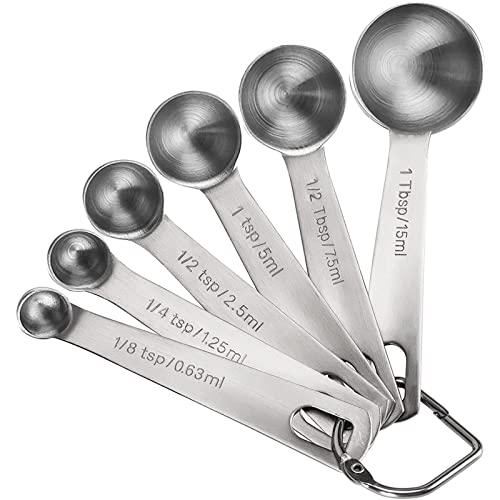
- 2 cups distilled water (tap water works but distilled water prevents mineral deposits)
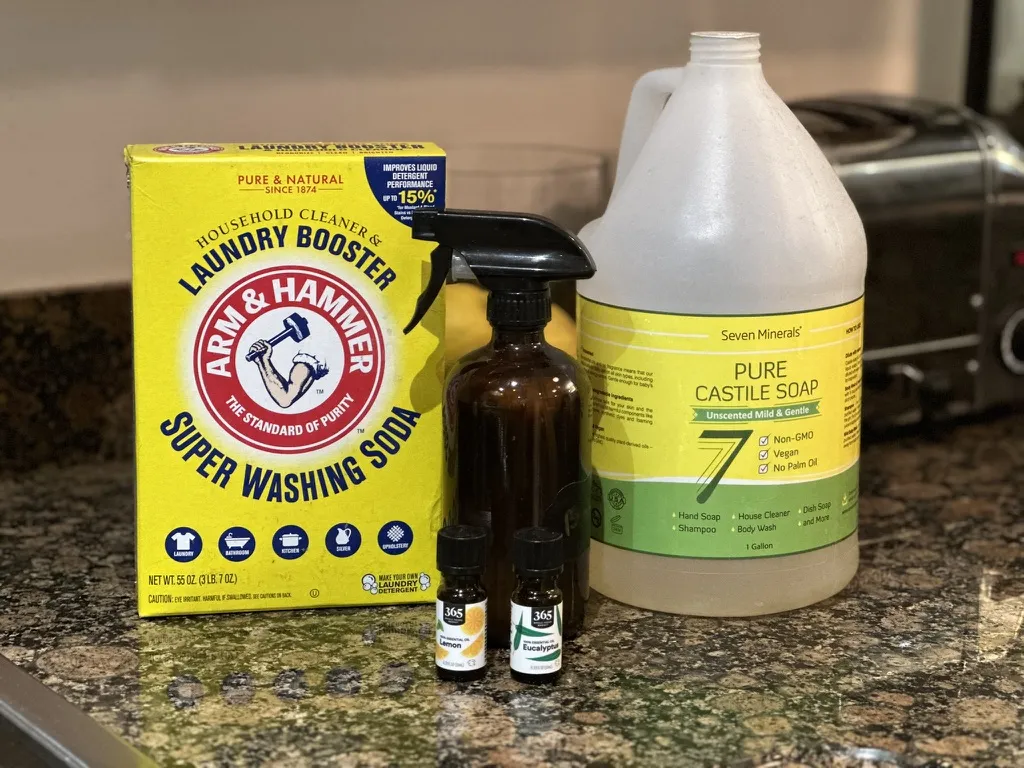
- 2 teaspoons castile soap (I use a palm oil-free brand)
- 15 drops peppermint essential oil
- 15 drops lemon oil or orange essential oil
You can use filtered water or even boiled water that’s cooled if you don’t have distilled water on hand. The key is avoiding hard tap water that can leave mineral deposits.
Instructions
- Add distilled water to a 16 oz glass spray bottle
- Add castile soap
- Add a few drops of your favorite essential oil (or the full amount above)
- Gently shake or swirl to combine (don’t shake vigorously or you’ll get bubbles)
Pro tip: Add the water first, then the soap. This prevents excessive foaming. Before each use, gently shake the bottle since the oils can separate.
Shop the Post



Why a Glass Spray Bottle?
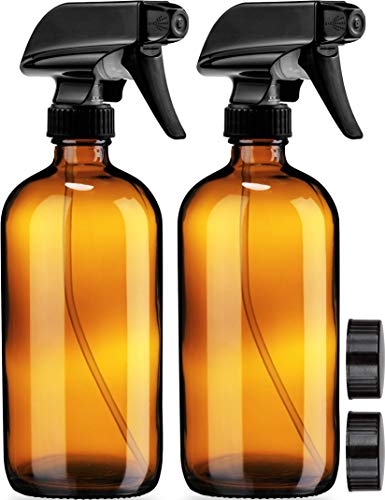
Skip the plastic spray bottles. Essential oils can break down certain plastics over time, potentially leaching harmful chemicals into your cleaning solution. A glass spray bottle is inert, won’t react with the oils, and lasts forever — I’ve had the same ones for years. One bottle pays for itself quickly.
Storage & Shelf Life
Store in a dark place or use an amber glass spray bottle if your storage area gets light. This all purpose cleaner has a shelf life of about a few weeks to two months. I typically make a fresh batch every 3-4 weeks since I go through it quickly.

Why Castile Soap Is the Star of This Recipe
I specifically chose castile soap (sometimes spelled castille soap) as the base because I needed something safe for my marble floors and granite countertops. White vinegar and distilled white vinegar — while popular in DIY cleaners — are acidic and can etch natural stone over time. Castile soap is gentle, effective, and won’t damage delicate surfaces.
A few other reasons I love it: castile soap is plant-based, biodegradable, non toxic, and incredibly concentrated. A little goes a long way, which makes this cleaner recipe very economical. One bottle of castile soap lasts me months.
What about Dawn dish soap or other dish soap? You can substitute regular dish soap in a pinch, but castile soap is my preference because it’s free of synthetic detergents and more eco friendly. Dawn dish soap works for cutting grease but contains more chemicals than I want on my kitchen surfaces.
Important: Look for palm oil-free castile soap. Palm oil production is a leading cause of deforestation and threatens wildlife like orangutans. Brands like Seven Minerals – WEG Verified are verified palm oil-free.
DIY Cleaner Chemistry: What NOT to Mix
Before you start experimenting with your own homemade all purpose cleaner recipes, there are some chemistry basics you need to know. Getting these wrong won’t just make an ineffective cleaning solution — some combinations can be dangerous.

Never Mix These
- White Vinegar + Castile Soap: The acid in vinegar breaks down castile soap, turning it into a greasy, oily mess that leaves residue everywhere. I learned this the hard way.
- Vinegar + Baking Soda: Yes, the fizzing looks satisfying, but you’re actually neutralizing both ingredients. An acid plus a base equals just water and salt. You end up with something that cleans worse than either ingredient alone.
- Vinegar + Hydrogen Peroxide: This is the dangerous one. Combined, they form peracetic acid, which is corrosive and creates toxic fumes. It’s essentially DIY bleach. Never mix these in the same bottle.
Where I Use This Homemade All Purpose Cleaner
I’ve tested this cleaning spray extensively throughout my home. Here’s where it shines:
Safe For These Household Surfaces
- Granite countertops
- Marble floors and surfaces
- Tile and grout
- Stainless steel appliances
- Laminate and sealed wood surfaces
- Kitchen surfaces and kitchen table
- Painted walls (spot cleaning)
- Appliance exteriors
Skip It For
- Glass and mirrors (can leave streaks — use a dedicated [glass cleaner](link to citrus vinegar cleaner post) with distilled white vinegar instead)
- Unsealed wood (the moisture can cause damage)
- Electronics screens
- Cast iron (needs oil, not soap)
A Note on Bathrooms
This all purpose cleaner works great for daily bathroom maintenance — wiping down counters, fixtures, and household surfaces between deep cleans. For tougher odor issues like urine smell in toilets, I use my washing soda bathroom cleaner which helps prevent mold too. Just note that you need to rinse after because washing soda can leave residue if it dries.
Other Uses
- Garbage disposal: A few drops down the drain with hot water keeps it fresh
- Laundry stains: Spray directly on stains before washing as a pre-treatment
- General wipe clean tasks: Spray, let sit for a minute, wipe clean with a soft cloth
This cleaner smells great and handles everyday messes without any elbow grease for most jobs.
“But Won’t Castile Soap Leave a White Residue?”
I see this concern constantly, and I get it — the mixture does look milky white in the bottle. But here’s the thing: the ratio matters. With only 2 teaspoons of soap in 2 cups of water, the soap is diluted enough that it cleans effectively without leaving residue.
I use this on my marble floors regularly and have never had residue issues. The key is the high water-to-soap ratio and giving surfaces a quick wipe clean with a soft cloth after spraying. For a soft scrub action on tougher spots, just use a little more pressure — no harsh chemicals needed.
Cost Breakdown: Is Homemade Actually Cheaper?
Let’s do the math (the CPA in me can’t help it):
A 32 oz bottle of castile soap runs about $16-18 and makes roughly 48 batches of this cleaner. Individual essential oils cost around $8-12 per bottle and last for 15-20+ batches depending on the size. The glass spray bottle is a one-time $8-10 purchase.
Cost per 16 oz bottle: approximately $0.50-0.75
Compare that to $4-6 for a “natural” store bought all purpose cleaner. The savings add up fast, especially if you clean as much as I do. Plus you’re avoiding the harmful chemicals in most store bought products.
Essential Oil Combinations to Try
The peppermint and lemon oil combo I listed gives a fresh citrusy scent that’s my everyday go-to, but you can customize based on your preferences or what you’re cleaning:
- Kitchen: Lemon juice scent (lemon oil) + rosemary — fresh, helps cut grease
- Bathroom: Tea tree oil + eucalyptus — tea tree kills bacteria naturally and has antimicrobial properties
- General cleaning: Lavender + lemon oil — calming but fresh
- Fresh herbs option: Infuse your distilled water with fresh herbs like rosemary or lavender for a few days before mixing
- Pet-safe option: Skip the essential oils entirely — castile soap alone works great
You can also add lemon juice (a tablespoon or so) for extra grease-cutting power on kitchen surfaces, though this shortens the shelf life to about a week.
Note on individual essential oils: Some oils (especially tea tree oil and certain citrus oils) can be harmful to pets. If you have cats or dogs, research specific oils before using, or stick with the unscented version.
What About Vinegar-Based Cleaners?
White vinegar and distilled white vinegar make excellent DIY cleaners — just not mixed with castile soap. If you don’t have natural stone in your home, a simple equal parts water and vinegar solution works great as a glass cleaner and for household surfaces that can handle acid.
I keep both this castile soap cleaner AND a vinegar-based cleaning spray on hand. The castile soap version is for my natural stone and delicate surfaces; the vinegar one handles glass, mirrors, and cuts through mineral deposits.
Some people also add rubbing alcohol to vinegar cleaners for faster evaporation and extra cleaning power — that’s a solid non toxic option too.
Common Questions
Can I use this as a disinfectant?
This cleaning solution removes dirt, grime, and bacteria through surfactant action, but it’s not an EPA-registered disinfectant. Tea tree oil kills bacteria naturally, so adding tea tree oil gives some antimicrobial benefit. For everyday cleaning, it’s excellent. If you need true disinfection (like during flu season or after handling raw meat), you’ll want a separate disinfecting step.
Can I just use water?
Just water won’t cut grease or remove grime effectively. You need a surfactant (like castile soap or dish soap) to break the bond between dirt and surfaces. Water alone just pushes stuff around.
Can I make a bigger batch?
Absolutely. Just maintain the ratio: 1 teaspoon castile soap per cup of distilled water, plus 15 drops of essential oils per cup. I sometimes make a double batch if I know I’ll be doing a deep clean.
Why not just use Dawn dish soap?
You can — Dawn dish soap is effective at cutting grease. But it contains synthetic surfactants and other chemicals I prefer to avoid. Castile soap gives similar cleaning power with natural ingredients. For natural living, castile soap is the better choice.
Do I need to rinse after?
For most surfaces, no — just wipe clean with a soft cloth. The dilution is high enough that it doesn’t leave residue. On floors, I do a quick pass with a damp mop after if I’ve used a lot of product.
Bottom Line
After years of testing DIY cleaners, this homemade all purpose cleaner remains my daily go-to. It’s simple, effective, eco friendly, safe for delicate surfaces like marble and granite, and costs pennies per bottle. Plus, I actually know what natural ingredients are in it — which, honestly, is the whole point of natural living.
Give it a try. Once you see how well it works (and how easy it is to make your own cleaner), you’ll wonder why you ever paid $6 for a spray bottle of store bought stuff full of harsh chemicals.
[IMAGE 6: Pinterest pin image — vertical format, recipe overlay on lifestyle background. “The Best Homemade All Purpose Cleaner” text prominent.]
More DIY Cleaning Recipes
Looking for homemade cleaners for specific jobs? Check out these recipes:
For tough bathroom grime: [Baking Soda or Washing Soda Bathroom Cleaner]
For glass and surfaces that can handle vinegar: [Citrus Infused Vinegar Cleaner]
For baked-on oven messes: [DIY Oven Cleaner]
- About the Author
- Latest Posts
- How I Test and Recommend

Juliet is the creator of Living Wild & Green, where she researches and writes about eco-friendly living, sustainable fashion, and non-toxic home upgrades. Since 2020, she’s been curating science-backed, stylish sustainability tips and personally testing products to help thousands of readers cut through greenwashing and live greener with confidence.